Libya political parties set 2-year elections roadmap at UN-led talks
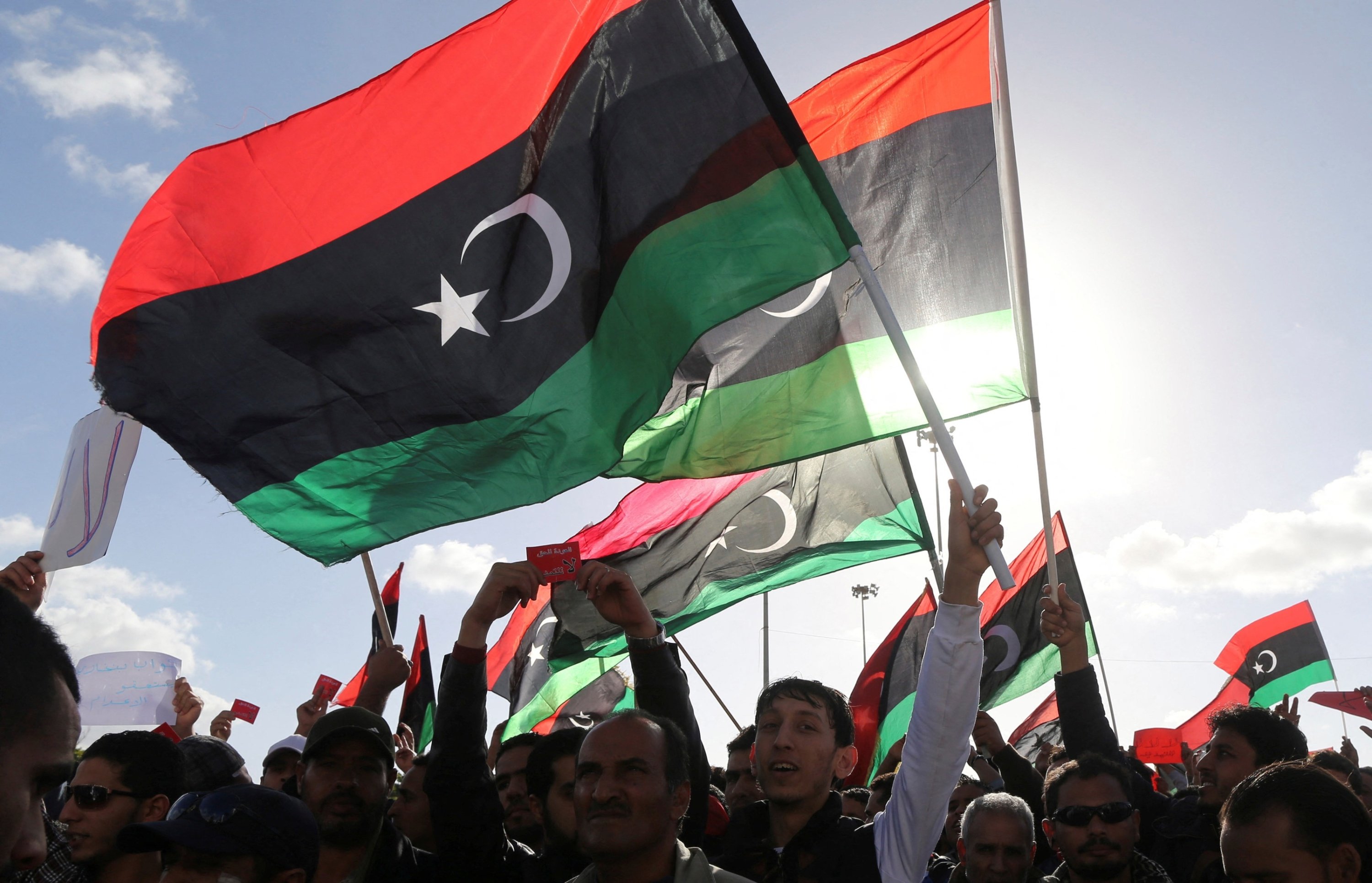
Libyan political factions reached a landmark agreement Sunday to hold national elections within two years, marking a potential turning point in the country’s long-standing political crisis. The deal, signed at the United Nations Support Mission in Libya (UNSMIL) headquarters in Tripoli, aims to resolve persistent disputes over electoral laws and reform the election authority, which have stalled the electoral process for more than a decade.
Representatives from Libya’s rival political institutions convened in a smaller format known as the 4+4 talks, involving two delegates each from the Government of National Unity (GNU), the High Council of State, the House of Representatives, and the Libyan National Army. The agreement establishes a roadmap for holding both legislative and presidential elections within 24 months, under a unified executive authority and consolidated national institutions.
Walid Ellafi, Libya’s state minister of political affairs and communications in the GNU, emphasized the urgency of the timeline, stating that elections should proceed “within a period not exceeding 24 months.” Meanwhile, Shibani AbuHamoud, head of the army’s general command delegation, pledged that the 4+4 group would collaborate with UNSMIL to develop an implementation framework within one month of the signing.
The agreement includes a contingency plan: if the House of Representatives and High Council of State fail to ratify the deal within 30 days, the parties will pursue its adoption as a constitutional document through broader national mechanisms, with support from the United Nations Security Council. This approach seeks to bypass institutional deadlock and ensure forward momentum.
Libya has struggled with instability since the 2011 NATO-backed uprising that toppled Muammar Gaddafi. The country split into rival eastern and western factions in 2014, though large-scale fighting diminished after a 2020 cease-fire. Despite repeated calls from political leaders for elections, public skepticism remains high, with many citizens questioning whether voting could lead to genuine change or merely displace current power holders.
The new roadmap signals cautious optimism among international observers, though the success of the plan will depend on sustained political will and effective implementation.
#LibyaElections #LibyaPolitics #UNSMIL #UNInLibya #LibyanNationalArmy #GNU #Tripoli
Comments (0)
No comments yet — be the first to weigh in.
Israel's 2.6M Students Return to School Amid Education Reforms and Protests
Israel's 2.6 million students resume classes as the Education Ministry introduces financial literacy and AI reforms, amid teacher shortages and protests over militarization.

Earth's magnetic field can help archaeologists sniff out forged antiquities
Researchers at the University of California San Diego have developed a new method using Earth's magnetic field to help archaeologists distinguish between a...
US, Israel, and Palestine to Hold Three Elections in 32 Days – Global Stakes
Three key elections – U.S., Israel, and Palestine – will take place from Oct. 27 to Nov. 28, shaping domestic politics and international ties.
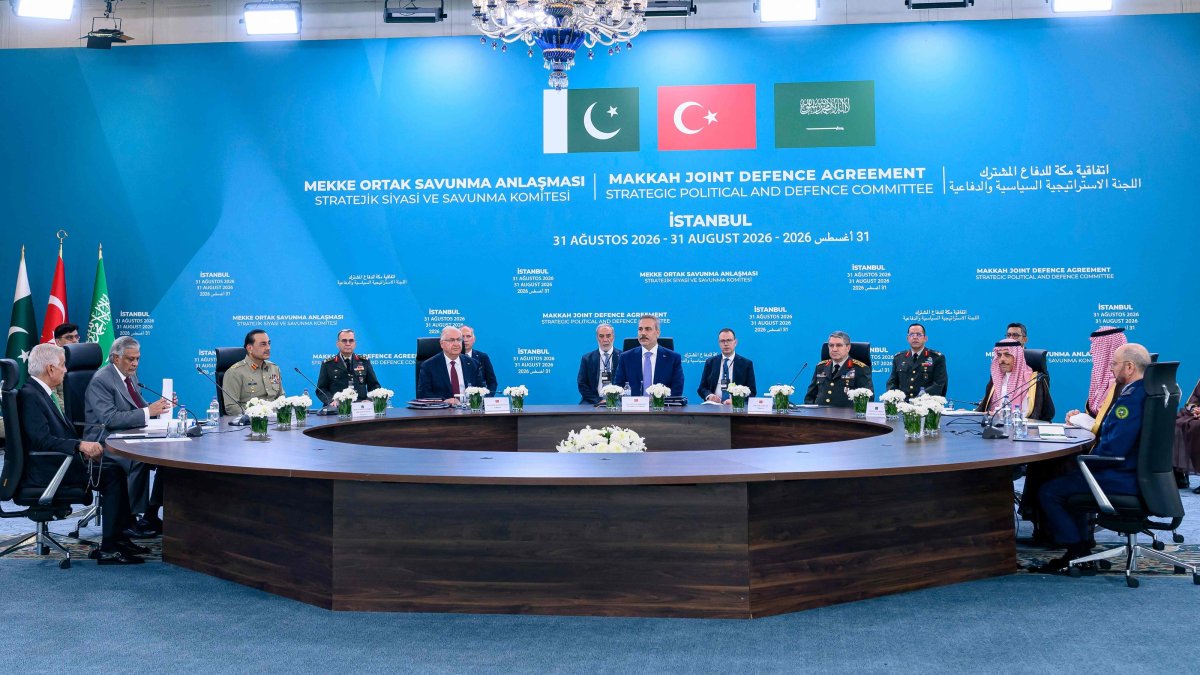
Türkiye, Pakistan, Saudi Arabia deepen joint defense framework
Türkiye, Pakistan and Saudi Arabia have agreed to deepen their defense partnership under the Mecca Agreement, taking new steps to strengthen collective deterren...

Mumbai’s Vile Parle Cypher is giving unheard rappers a voice

Enrich and Ultimo impress

Karnataka CM Signals Review of 5% Park Land Amendment Bill in Assembly

