Spain PM Sanchez Accuses Israel, Russia of Disinformation in Ceuta Crisis
Spanish PM Pedro Sánchez says Israel and Russia amplified false information during the Ceuta migrant crisis, citing European Union foreign service research.
Spanish Prime Minister Pedro Sánchez has accused Israel and Russia of amplifying disinformation during last month’s migrant surge into Spain’s North African enclave of Ceuta. In a statement released Monday, Sánchez cited findings from the European Union’s External Action Service, which concluded that both countries played a role in spreading misleading narratives about the crisis.
The mass entry of migrants into Ceuta on May 17-18 strained local resources and drew international attention. Spanish authorities reported that over 8,000 people, mostly from Morocco, crossed the border in a coordinated effort. The Spanish government attributed the movement to deliberate actions by Moroccan authorities, who relaxed border controls in retaliation for Spain’s decision to allow hospitalized Polisario Front leader Brahim Ghali to receive medical treatment in the country.
Sánchez emphasized that the disinformation campaigns by Israel and Russia were designed to distort the situation and undermine Spain’s response. According to EU findings, these efforts included the dissemination of false claims about Spain’s handling of the crisis and the motivations behind the migrant influx. The EU’s foreign service has been monitoring such disinformation campaigns as part of its broader strategy to counter foreign interference in European affairs.
The Spanish prime minister did not provide specific details on how Israel and Russia contributed to the spread of false information, but he underscored the seriousness of the issue. Disinformation experts note that such campaigns can exacerbate tensions and complicate diplomatic resolutions, particularly in sensitive border regions like Ceuta.
Ceuta, a Spanish autonomous city on the North African coast, has long been a flashpoint in relations between Spain and Morocco. The recent migrant crisis has further strained these ties, with Morocco recalling its ambassador to Spain in protest. Meanwhile, Spain has sought to rally European Union support, calling for a unified stance against disinformation and the manipulation of migration flows as political leverage.
As the situation continues to unfold, the Spanish government is expected to address the disinformation claims in greater detail at upcoming European Council meetings. EU officials have also indicated that they are reviewing the findings and may consider additional measures to counter such interference in the future.
#Spain #Ceuta #MigrantCrisis #PedroSánchez #Israel #Russia #Disinformation #EU
Comments (0)
No comments yet — be the first to weigh in.

Israel's 2.6M Students Return to School Amid Education Reforms and Protests
Israel's 2.6 million students resume classes as the Education Ministry introduces financial literacy and AI reforms, amid teacher shortages and protests over militarization.

Earth's magnetic field can help archaeologists sniff out forged antiquities
Researchers at the University of California San Diego have developed a new method using Earth's magnetic field to help archaeologists distinguish between a...

US, Israel, and Palestine to Hold Three Elections in 32 Days – Global Stakes
Three key elections – U.S., Israel, and Palestine – will take place from Oct. 27 to Nov. 28, shaping domestic politics and international ties.
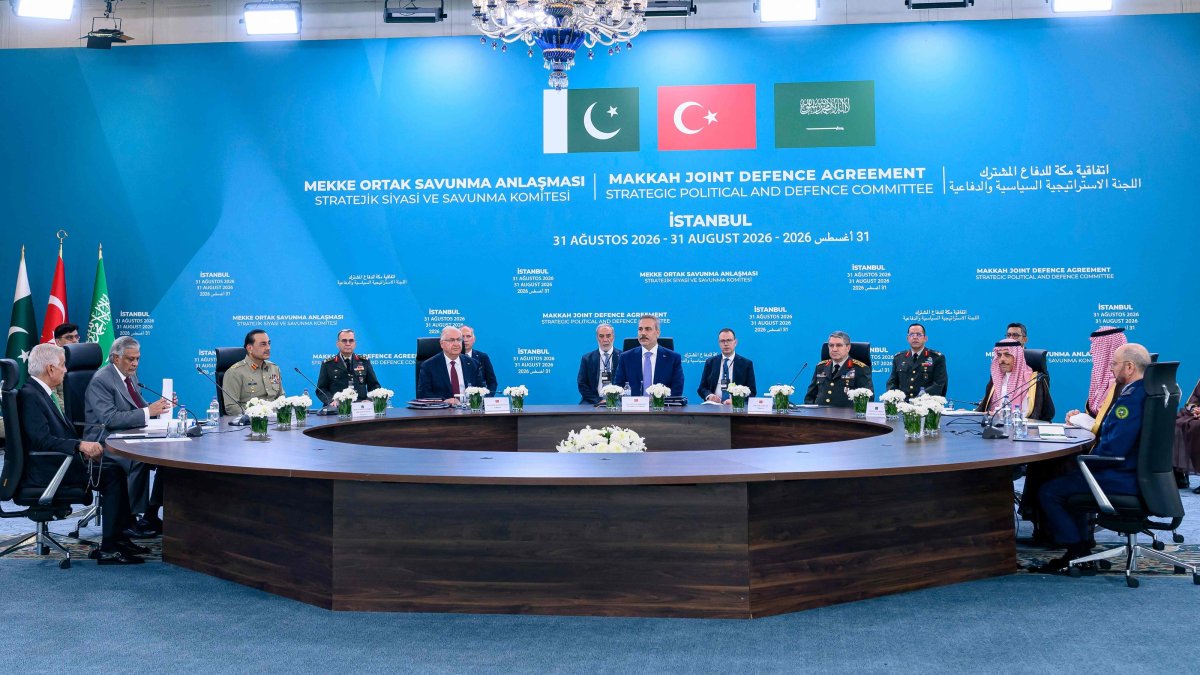
Türkiye, Pakistan, Saudi Arabia deepen joint defense framework
Türkiye, Pakistan and Saudi Arabia have agreed to deepen their defense partnership under the Mecca Agreement, taking new steps to strengthen collective deterren...

Mumbai’s Vile Parle Cypher is giving unheard rappers a voice

Enrich and Ultimo impress

Karnataka CM Signals Review of 5% Park Land Amendment Bill in Assembly

