Study reveals why well-fed orphan bears struggle to survive in the wild
Research shows most rehabilitated grizzly bears die within a year due to overfeeding, human habituation, and inability to adapt to natural conditions.
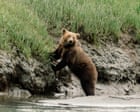
A new study on grizzly bear rehabilitation in British Columbia reveals that releasing overfed orphaned cubs into the wild often leads to fatal outcomes. Led by wildlife biologist Dr. Lana M. Ciarniello and funded by the Grizzly Bear Foundation, the research tracked 12 yearling grizzlies following their release into their natural habitat. Within a single year, all but two of the monitored bears had died, raising critical questions about the effectiveness of current rewilding and wildlife conservation practices.
The study found that orphaned cubs were raised on calorie-dense diets consisting of roadkill, watermelon, dog food, and donated snacks, causing them to reach up to 3.5 times the body mass of wild-reared yearlings. This extreme growth created what Ciarniello termed a metabolic trap. Once released, the oversized yearlings possessed massive skeletal frames that required massive caloric intake to maintain. Even in habitats with abundant food supplies, the bears could not forage efficiently enough to survive. Two females released in areas without access to salmon lost an average of nearly one pound per day.
Human habituation presented another severe threat to the rehabilitated yearlings. Previous assumptions suggested that a brief period without human interaction prior to release would reverse familiarity with people. However, the study demonstrated that bears continued to associate humans with food even after extended periods in remote wilderness. Five of the tracked bears died as a result of human-wildlife conflict. In one instance, a female grizzly raided a remote mining site for food after spending nearly two months in an alpine zone. Of the remaining bears in the study, two were killed illegally and three were killed by wild bears.
Expert opinions highlight the fundamental difficulty of replacing maternal care. Chris Servheen, co-chair of the International Union for Conservation of Nature (IUCN) North American bears expert team, explained that grizzly mothers teach their cubs over a period of two to three years where to find food, what to eat, and how to avoid danger. Without this natural education, humans struggle to raise cubs without habituating them or failing to prepare them for wild conditions.
The findings are expected to shape future wildlife management policies and rehabilitation techniques. Biologists emphasize that rearing methods must become far more hands-off, drawing inspiration from international initiatives like Free the Bears, which uses remote feeding devices to prevent human contact. The Grizzly Bear Foundation plans to translate the study into a best practice report to guide policy in British Columbia and assist endangered brown bear recovery efforts across Europe and Asia.
#GrizzlyBears #BritishColumbia #DrLanaMCiarniello #IUCN #GrizzlyBearFoundation #WildlifeConservation #Rewilding #WildlifeRehabilitation
Comments (0)
No comments yet — be the first to weigh in.

Bentley Torcal: First All-Electric SUV Unveiling & Price Details
Bentley Motors will unveil its first all-electric SUV, the Torcal, on September 23. Discover pricing, features, and how it compares to competitors in the luxury EV market.

How King Harald V of Norway quietly led the world in clean tech adoption
King Harald V of Norway passed away in 2026 after a 35-year reign marked by stealth advocacy for clean technology, particularly electric vehicles, without political interference.

Why Gas Cars Could Be Worth Less Than Zero by 2031 in the US
Analyzing how cheap used EVs may make gasoline cars uneconomical in the US by 2031, with insights from Norway and China's used-car markets.

XPeng Advances AI Tech with VLA 2.0 Upgrade & Robotaxi Progress
XPeng's latest VLA 2.0 upgrade enhances intelligent driving with 4D perception, 20x safety boost, and voice-controlled robotaxis. Discover XPeng's AI advancements.

Mumbai’s Vile Parle Cypher is giving unheard rappers a voice

Enrich and Ultimo impress

Karnataka CM Signals Review of 5% Park Land Amendment Bill in Assembly

