Top Chinese Solar Firms Report H1 2026 Losses Amid Market Challenges
Major Chinese solar manufacturers including JinkoSolar, Canadian Solar, and Trina Solar report first-half 2026 losses due to weak demand and price pressures, despite shifts toward energy storage.
Leading Chinese solar photovoltaic manufacturers reported substantial financial losses and declining revenues for the first half of 2026, as the sector continues to grapple with persistent global oversupply, depressed module prices, and trade policy headwinds. Major industry players including Tongwei, JinkoSolar, Trina Solar, JA Solar, and Canadian Solar experienced squeezed margins despite growing shipment volumes and expanding energy storage divisions.
According to market data from the Silicon Industry Branch of the China Nonferrous Metals Industry Association, upstream wafer and polysilicon markets remained largely stalled in late August, with weak downstream sentiment driving solar cell prices down further. Manufacturers cited persistent supply-demand imbalances, intensifying international trade frictions, and the removal of China's export tax rebate as key factors straining profitability across the solar supply chain.
Tongwei Co., Ltd. posted the period's highest revenue at 34.36 billion yuan ($5.11 billion), down 15.2% year on year, while its net loss widened 3.3% to 5.12 billion yuan. Despite heavy losses in its core solar segment, the company maintained positive operating cash flow of 109 million yuan, selling 34.78 gigawatts of solar cells and 13.07 gigawatts of modules.
Trina Solar Co., Ltd. reported revenue of 31.99 billion yuan ($4.76 billion), up 3.0% year on year. The company narrowed its net loss by 90.8% to 270 million yuan, aided by investment gains, though its adjusted net loss stood at 2.89 billion yuan. Trina shipped over 25 gigawatts of modules and saw its energy storage business turn profitable, delivering more than 5 gigawatt-hours during the six-month period.
JinkoSolar Holding Co., Ltd. saw first-half revenue decline 22.3% year on year to 24.73 billion yuan ($3.68 billion), with its net loss widening 5.8% to 3.08 billion yuan. Module shipments reached 29.64 gigawatts, but the company lowered its full-year 2026 shipment guidance to between 60 gigawatts and 70 gigawatts as it refocused operational strategy on profitability and cash flow.
JA Solar Technology Co., Ltd. reported a 26.8% drop in revenue to 17.50 billion yuan ($2.60 billion) and a net loss of 2.66 billion yuan. Total cell and module shipments reached 22.25 gigawatts, with overseas sales comprising over 68% of module volume.
Canadian Solar Inc. posted revenue of 12.78 billion yuan ($1.90 billion), down 39.3% year on year. While headline net profit reached 300 million yuan, the company recorded a loss of 253 million yuan excluding non-recurring items. Growth in utility-scale energy storage helped offset module weakness, with storage sales surging 103.3% to 6.1 gigawatt-hours.
Industry analysts expect elevated polysilicon inventories to persist through the third quarter unless demand rebounds significantly to absorb excess manufacturing capacity across the global PV market.
#SolarEnergy #China #Photovoltaics #JinkoSolar #TrinaSolar #CanadianSolar #Tongwei #RenewableEnergy
Comments (0)
No comments yet — be the first to weigh in.
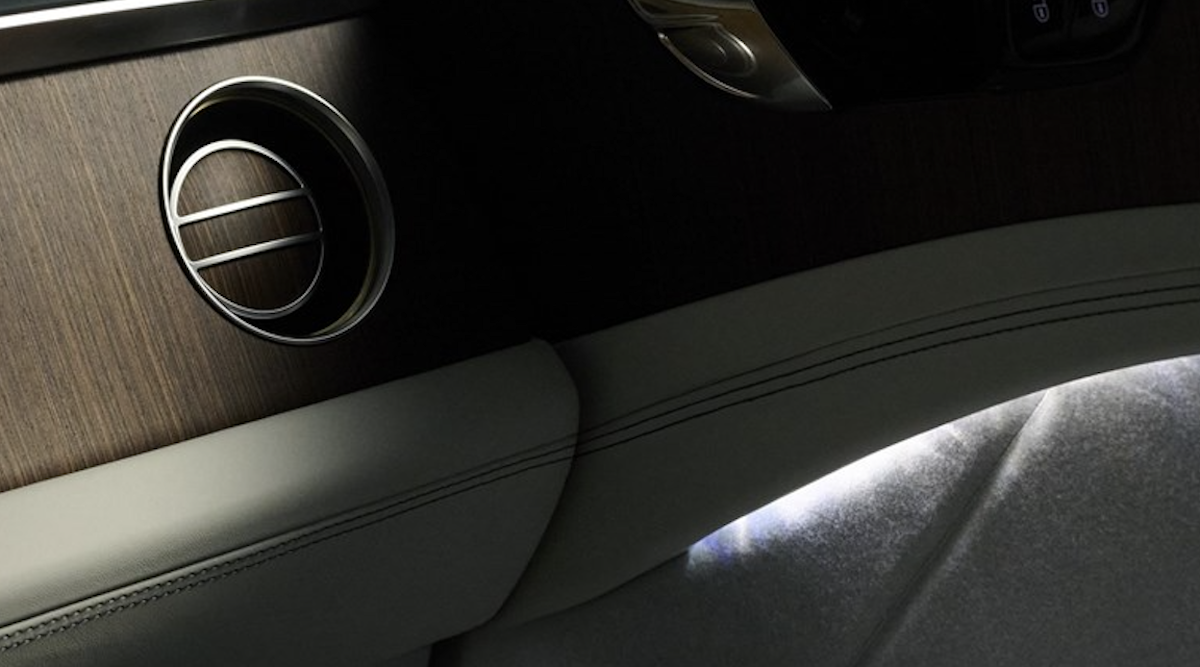
Bentley Torcal: First All-Electric SUV Unveiling & Price Details
Bentley Motors will unveil its first all-electric SUV, the Torcal, on September 23. Discover pricing, features, and how it compares to competitors in the luxury EV market.

How King Harald V of Norway quietly led the world in clean tech adoption
King Harald V of Norway passed away in 2026 after a 35-year reign marked by stealth advocacy for clean technology, particularly electric vehicles, without political interference.
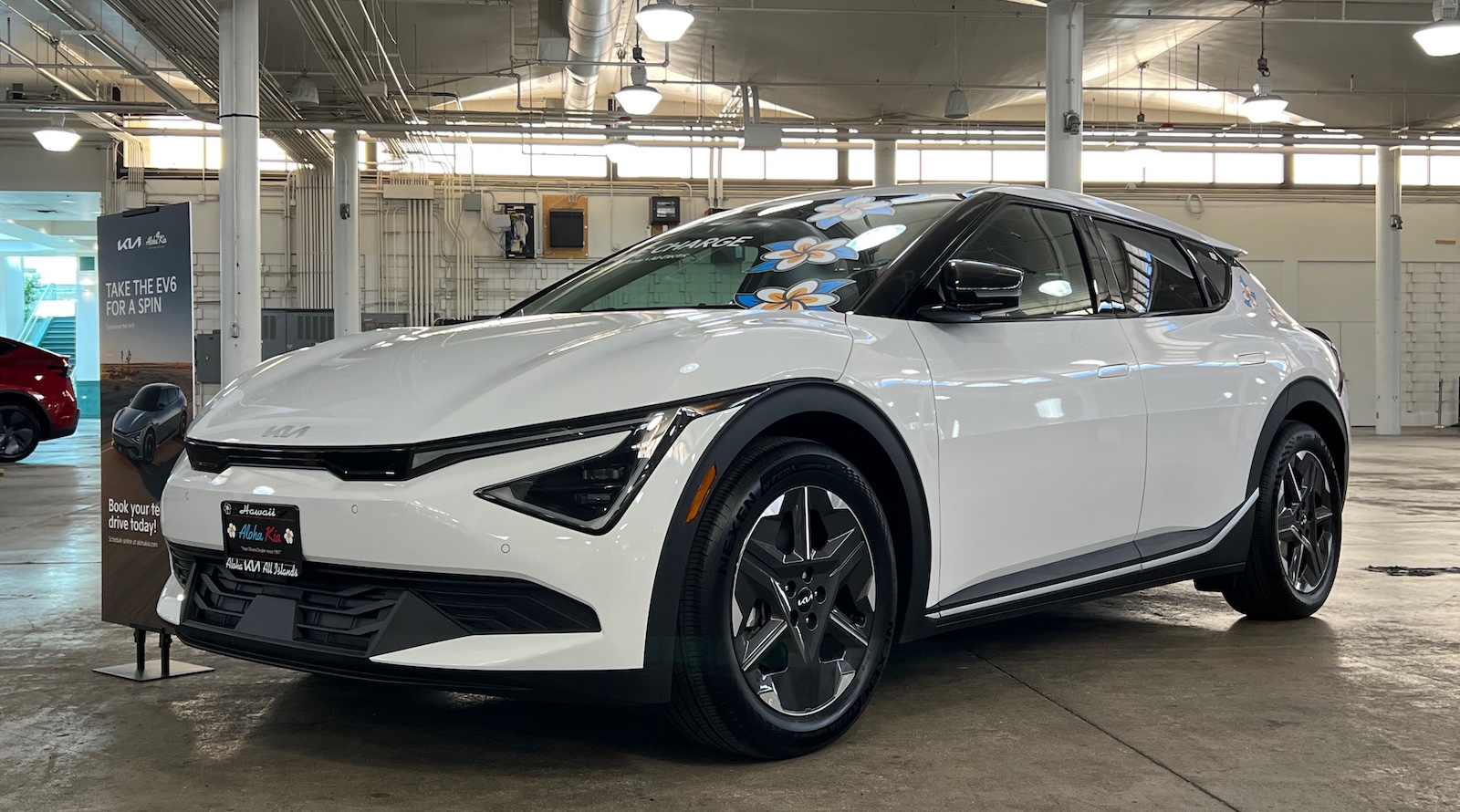
Why Gas Cars Could Be Worth Less Than Zero by 2031 in the US
Analyzing how cheap used EVs may make gasoline cars uneconomical in the US by 2031, with insights from Norway and China's used-car markets.

XPeng Advances AI Tech with VLA 2.0 Upgrade & Robotaxi Progress
XPeng's latest VLA 2.0 upgrade enhances intelligent driving with 4D perception, 20x safety boost, and voice-controlled robotaxis. Discover XPeng's AI advancements.

Mumbai’s Vile Parle Cypher is giving unheard rappers a voice

Enrich and Ultimo impress

Karnataka CM Signals Review of 5% Park Land Amendment Bill in Assembly

