UK’s Long-Duration Energy Storage: Key to Net-Zero & £24bn Savings by 2050
Explore how the UK is pioneering long-duration energy storage (LDES) to balance wind and solar power, cut costs by £24bn by 2050, and meet net-zero goals amid 'dunkelflaute' challenges.
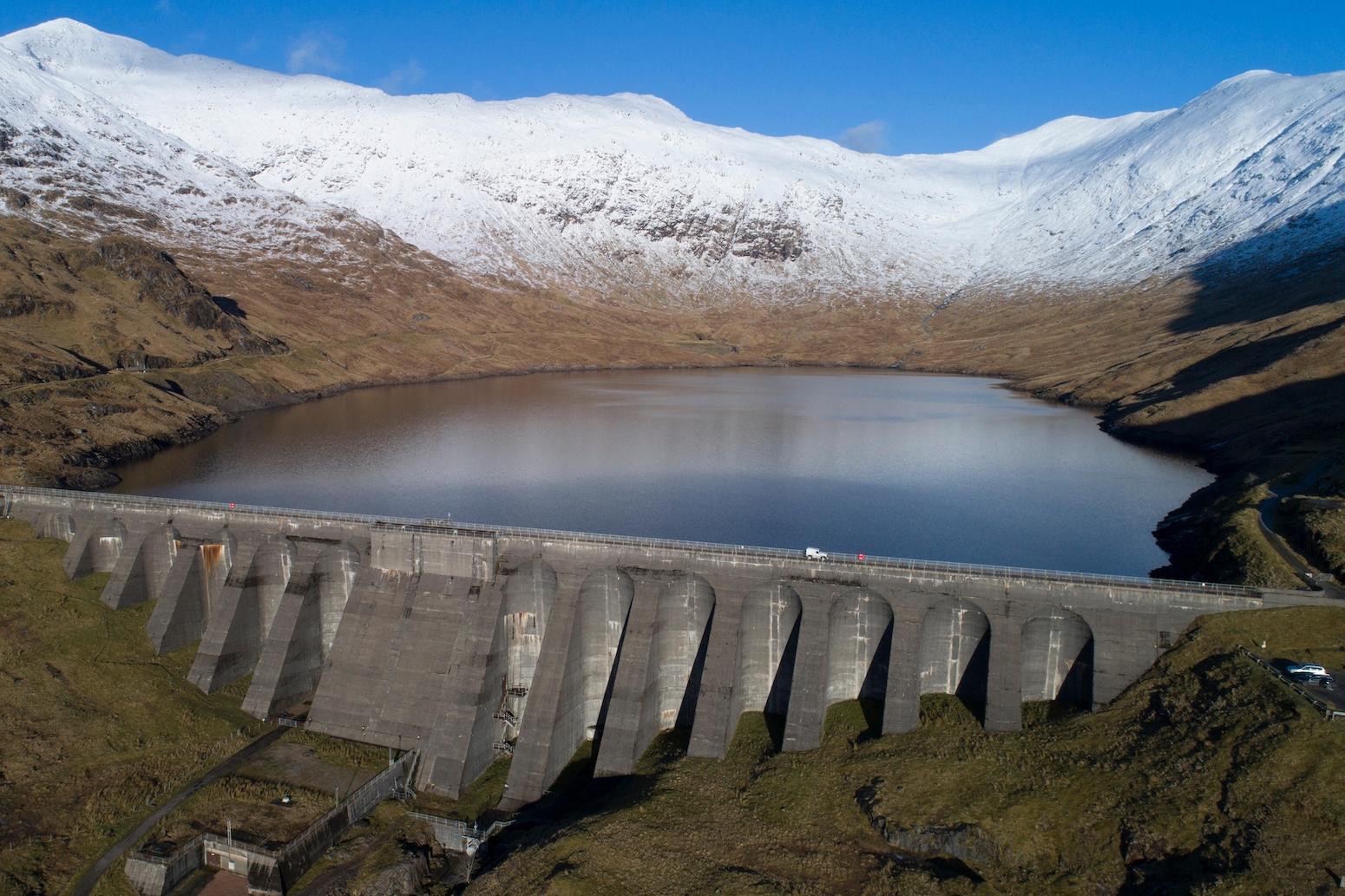
The United Kingdom is moving into a new era of power storage, with the government and regulator Ofgem backing a wave of “long‑duration energy storage” (LDES) projects that can hold electricity for days or weeks. The aim is to smooth the output of wind and solar as the country pushes toward net‑zero emissions, and Ofgem has identified 16 projects it is “minded to” support under a new cap‑and‑floor scheme. The initiative could cut UK system costs by more than £24 billion between 2030 and 2050.
LDES refers to technologies that can store power for anywhere from four hours to years. The UK Department for Energy Security and Net‑Zero (DESNZ) and Ofgem use slightly different thresholds, but both agree that the storage must be long enough to bridge gaps when the wind stops blowing or the sun goes out – a situation sometimes called “dunkelflaute” or dark doldrums. Sir Chris Llewellyn Smith, emeritus physics professor at Oxford and lead author of a Royal Society report on large‑scale storage, has warned that “the Department of Energy Storage and Net‑Zero seems to describe it as including things which we would regard as some short duration or medium duration storage. It’s a big confusion…For us, long duration is stuff that can last not just into seasons, but into years and into decades.”
Today the UK’s LDES capacity is 2.8 GW, all of it pumped‑hydro sites in Scotland and Wales. The largest of these is the Dinorwig power station in North Wales – the “electric mountain” – which can discharge 1,728 MW to keep the grid stable during sudden demand spikes. For example, during England’s 2026 World Cup match against the Democratic Republic of Congo, half‑time demand rose by 1.2 GW and full‑time by 1.7 GW, comparable to the combined demand of Glasgow and Leeds. Pumped‑hydro and batteries have kept the system secure in such events.
The growing share of variable renewables makes LDES even more critical. George Martin, power‑system modeller at LCP Delta, says, “LDES is really important for the system, particularly in a wind‑driven system. You get more peaks and troughs in your renewable output and, while short duration storage can obviously help with that, with things like ‘dunkelflaute’, long‑duration storage is what is needed.” To meet this need, the UK is expanding a mix of technologies – pumped‑hydro, lithium‑ion batteries, vanadium‑redox flow batteries, compressed‑air and hydrogen storage.
A milestone came in May 2026 when the country’s largest vanadium flow‑battery installation opened in Uckfield, East Sussex. The 90‑unit plant stores 21 MWh of electricity, enough to power about 3,000 homes for a day. It sits next to a 3 MW solar farm and can capture surplus daylight generation for use at night or during cloudy periods. The plant demonstrates how flow batteries can complement batteries that typically last only a few hours; lithium‑ion units now often deliver 8–12 hours of output, as Ed Porter, director for Europe at Modo Energy, noted on LinkedIn: “Lithium is going far beyond 8 hours; that debate must surely be dead now.”
While pumped‑hydro offers the longest lifespan and lowest capital cost per kilowatt‑hour, its high upfront cost and lack of new UK projects since the 1980s limit expansion. Flow batteries, compressed‑air and hydrogen storage bring flexibility for seasonal balancing but still require more development and investment. The cap‑and‑floor scheme is designed to encourage deployment across these diverse options, ensuring the grid can absorb surplus renewable power and deliver reliable supply when generation dips.
As the UK’s energy mix becomes dominated by wind and solar, LDES will play a key role in maintaining supply reliability, reducing curtailment, and keeping electricity prices stable. With Ofgem’s support and a growing portfolio of technologies, the country is poised to lead the transition to a resilient, low‑carbon power system.
#LongDurationEnergyStorage #UK #Ofgem #PumpedHydro #FlowBattery #Dinorwig #Uckfield #RenewableEnergy
Comments (0)
No comments yet — be the first to weigh in.

Bentley Torcal: First All-Electric SUV Unveiling & Price Details
Bentley Motors will unveil its first all-electric SUV, the Torcal, on September 23. Discover pricing, features, and how it compares to competitors in the luxury EV market.

How King Harald V of Norway quietly led the world in clean tech adoption
King Harald V of Norway passed away in 2026 after a 35-year reign marked by stealth advocacy for clean technology, particularly electric vehicles, without political interference.
Why Gas Cars Could Be Worth Less Than Zero by 2031 in the US
Analyzing how cheap used EVs may make gasoline cars uneconomical in the US by 2031, with insights from Norway and China's used-car markets.

XPeng Advances AI Tech with VLA 2.0 Upgrade & Robotaxi Progress
XPeng's latest VLA 2.0 upgrade enhances intelligent driving with 4D perception, 20x safety boost, and voice-controlled robotaxis. Discover XPeng's AI advancements.

Mumbai’s Vile Parle Cypher is giving unheard rappers a voice

Enrich and Ultimo impress

Karnataka CM Signals Review of 5% Park Land Amendment Bill in Assembly

