Understanding the 2024 'Super El Niño': Causes, Impacts, and Predictions
Discover how the strongest El Niño on record is set to disrupt global weather patterns, raise temperatures, and impact billions worldwide.
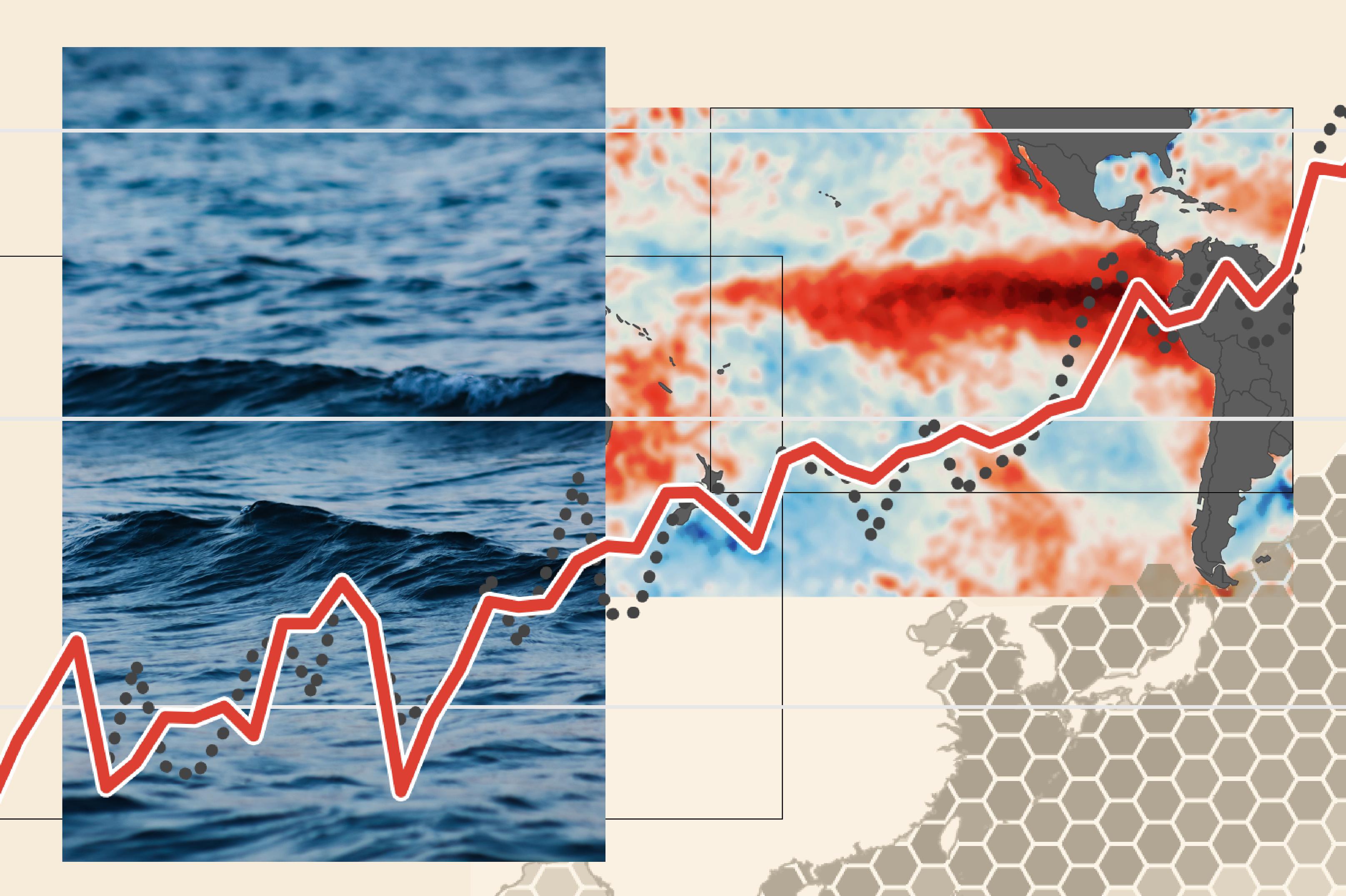
The world is currently experiencing what is expected to become the strongest El Niño event on record, with meteorologists and climate experts warning of far-reaching weather disruptions. The ongoing El Niño, often referred to as a "super El Niño," is part of the El Niño-Southern Oscillation (ENSO) cycle, a natural climate pattern in the tropical Pacific Ocean that alternates between warm (El Niño), cool (La Niña), and neutral phases.
El Niño occurs when sea surface temperatures in the central and eastern Pacific Ocean rise significantly above average, releasing vast amounts of heat into the atmosphere. This warming effect temporarily boosts global temperatures and shifts rainfall patterns, often leading to extreme weather events such as severe storms, droughts, and floods around the world. The current El Niño event began in June and is projected to persist into mid-2024, though some models suggest it could extend into early 2027.
The ENSO cycle, which includes El Niño, La Niña, and neutral conditions, typically lasts between nine and twelve months but can sometimes continue for longer periods. The cycle plays a critical role in global weather variability, influencing everything from monsoon patterns in South Asia to hurricane activity in the Atlantic. This particular El Niño is notable for its intensity, with scientists at institutions including the World Meteorological Organization (WMO) and the National Oceanic and Atmospheric Administration (NOAA) indicating it could rank among the strongest on record.
The impacts of a super El Niño are already being observed in various regions. In the United States, for example, the National Weather Service has warned of an increased likelihood of heavy rainfall and flooding in the southern states, while the Pacific Northwest may face warmer and drier conditions. In Southeast Asia and Australia, the event raises the risk of prolonged droughts and wildfires, as seen in past El Niño years. Meanwhile, parts of East Africa could experience heavier-than-usual rainfall, increasing the risk of flooding and landslides.
Global temperature records are also expected to be affected. The Copernicus Climate Change Service has noted that 2023 and 2024 are on track to be among the warmest years ever recorded, in part due to the influence of El Niño. This warming trend exacerbates concerns about climate change, as rising baseline temperatures can intensify the effects of naturally occurring climate phenomena.
Scientists emphasize that while El Niño events are a natural part of Earth’s climate system, their impacts are becoming more severe against the backdrop of global warming. The United Nations’ Intergovernmental Panel on Climate Change (IPCC) has highlighted that extreme weather events linked to ENSO are likely to become more frequent and intense as the planet continues to warm.
As the current super El Niño unfolds, governments, businesses, and communities worldwide are urged to prepare for its potential consequences. Monitoring agencies such as NOAA and the WMO continue to provide regular updates, helping stakeholders mitigate risks and respond to emerging challenges.
#SuperElNino #ClimateChange #ENSO #GlobalWeather #NOAA #WMO #LaNina #ElNino2023
Comments (0)
No comments yet — be the first to weigh in.

Bentley Torcal: First All-Electric SUV Unveiling & Price Details
Bentley Motors will unveil its first all-electric SUV, the Torcal, on September 23. Discover pricing, features, and how it compares to competitors in the luxury EV market.

How King Harald V of Norway quietly led the world in clean tech adoption
King Harald V of Norway passed away in 2026 after a 35-year reign marked by stealth advocacy for clean technology, particularly electric vehicles, without political interference.
Why Gas Cars Could Be Worth Less Than Zero by 2031 in the US
Analyzing how cheap used EVs may make gasoline cars uneconomical in the US by 2031, with insights from Norway and China's used-car markets.

XPeng Advances AI Tech with VLA 2.0 Upgrade & Robotaxi Progress
XPeng's latest VLA 2.0 upgrade enhances intelligent driving with 4D perception, 20x safety boost, and voice-controlled robotaxis. Discover XPeng's AI advancements.

Mumbai’s Vile Parle Cypher is giving unheard rappers a voice

Enrich and Ultimo impress

Karnataka CM Signals Review of 5% Park Land Amendment Bill in Assembly

