When to say 'genocide': What leftists could learn from Germany
Germany heads into a pivotal stretch of state elections on September 1 as campaign posters blanket Berlin and towns across Saxony-Anhalt and Mecklenburg-Western Pomerania. Political parties are jockeying for position ahead of votes that could shape regional policy and national debate, with immigration, energy and economic anxieties dominating placards and stump speeches.
The three eastern German states—Saxony-Anhalt, Mecklenburg-Western Pomerania and Berlin—are traditional battlegrounds where national trends often play out first. Polls suggest close races, with the far-right Alternative for Germany (AfD) maintaining strong support in eastern districts. AfD leaders have repeatedly called for stricter migration controls and tougher asylum policies, themes that resonate with many voters frustrated by housing shortages and rising living costs.
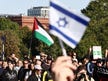
Analysts say the campaigns underscore a wider German reckoning over the use of the term “genocide,” especially in relation to the Hamas attacks in Israel on October 7, 2023, and Israel’s subsequent military response in Gaza. The debate has spilled into mainstream politics, with some left-wing figures accused of equivocating on the label while others argue for clearer moral language. German chancellor Olaf Scholz has repeatedly described the October 7 assault as an act of terrorism and genocide, aligning with the Israeli government’s position. His stance contrasts with segments of Germany’s progressive left, which have emphasized Palestinian civilian casualties and called for a ceasefire without explicitly endorsing the genocide label.
The electoral calendar has intensified scrutiny of how parties frame the conflict. The Left party, traditionally strong in parts of eastern Germany, has faced internal divisions over its response to the war in Gaza. Some members advocate for Palestinian statehood and criticize Israeli military actions, while others prioritize Germany’s historical responsibility toward Israel. Smaller parties like the Greens and Free Democrats have tried to navigate the issue by stressing humanitarian concerns and international law, yet their messages often get drowned out by louder calls for border security and energy independence.
Across Saxony-Anhalt and Mecklenburg-Western Pomerania, local candidates are tailoring their pitches to regional grievances. In Saxony-Anhalt, energy transition remains a top issue, with voters split over the pace of coal plant closures and the expansion of wind and solar farms. Mecklenburg-Western Pomerania, with its aging population and shrinking workforce, focuses on infrastructure and healthcare access. Berlin’s contest, while urban and more diverse, mirrors national divides over housing policy and policing.
Security and migration continue to dominate airwaves and town halls. AfD candidates frequently highlight crime statistics involving migrants, though independent analyses often show such claims are misleading or taken out of context. Mainstream parties counter by promising more police resources and faster deportations, while left-wing groups warn against scapegoating and call for inclusive social policies.
With less than two months until polling day, voter interest is rising but remains cautious. Turnout in past eastern German state elections has lagged behind western averages, reflecting persistent disillusionment with politics. Campaign teams are rolling out digital ads and door-to-door canvassing to energize supporters, but analysts caution that unpredictable events—from global oil prices to Middle East developments—could still shift the race.
#GermanElections2024 #AfD #SaxonyAnhalt #MecklenburgWesternPomerania #BerlinStateElection #IsraelHamasWar #OlafScholz
Comments (0)
No comments yet — be the first to weigh in.

Israel's 2.6M Students Return to School Amid Education Reforms and Protests
Israel's 2.6 million students resume classes as the Education Ministry introduces financial literacy and AI reforms, amid teacher shortages and protests over militarization.

Earth's magnetic field can help archaeologists sniff out forged antiquities
Researchers at the University of California San Diego have developed a new method using Earth's magnetic field to help archaeologists distinguish between a...

US, Israel, and Palestine to Hold Three Elections in 32 Days – Global Stakes
Three key elections – U.S., Israel, and Palestine – will take place from Oct. 27 to Nov. 28, shaping domestic politics and international ties.
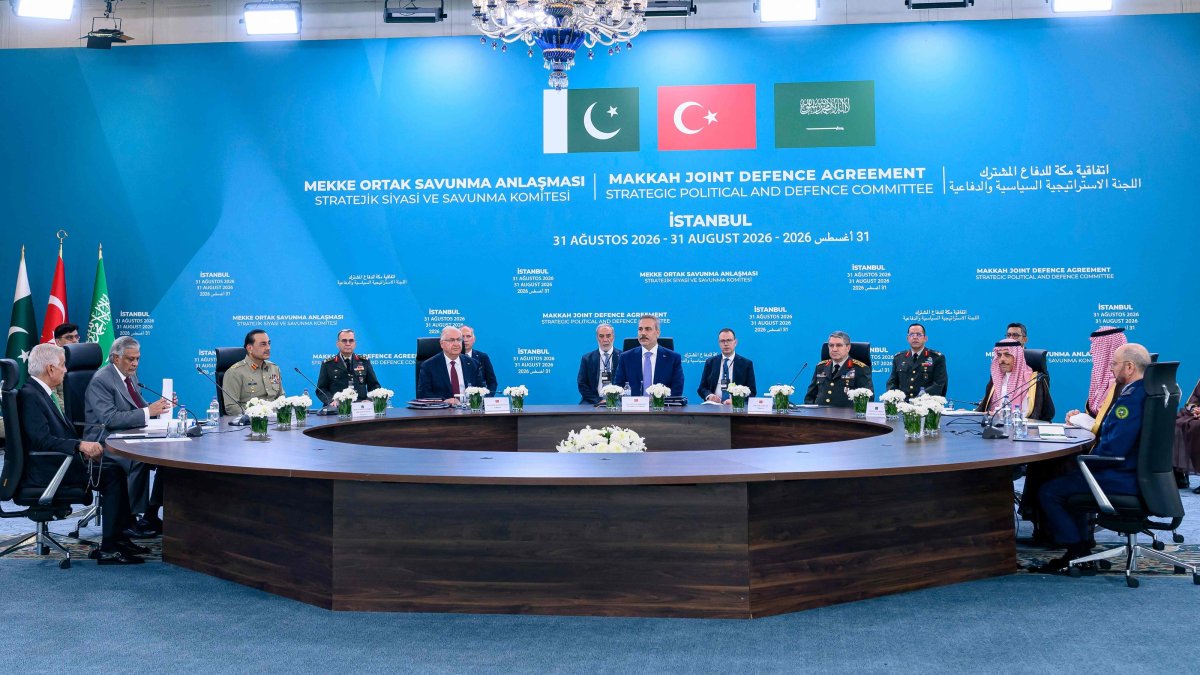
Türkiye, Pakistan, Saudi Arabia deepen joint defense framework
Türkiye, Pakistan and Saudi Arabia have agreed to deepen their defense partnership under the Mecca Agreement, taking new steps to strengthen collective deterren...

Mumbai’s Vile Parle Cypher is giving unheard rappers a voice

Enrich and Ultimo impress

Karnataka CM Signals Review of 5% Park Land Amendment Bill in Assembly

