Why Every Nation Needs an Energy Transition Optimization Model for Climate Goals
Discover why countries need bankable, economy-wide energy models to guide decarbonisation investments and accelerate climate goals effectively.

Countries worldwide are accelerating efforts to transition from fossil fuels to renewable energy, but experts say governments still lack the analytical tools needed to plan cost-effective, integrated energy systems. A new commentary by three leading researchers argues that every nation requires an economy-wide energy optimization model to guide its decarbonization pathway. The call comes amid growing recognition that unplanned energy systems—highlighted by the 2026 Strait of Hormuz closure—are vulnerable to disruption and rising costs.
Claver Gatete, Executive Secretary of the United Nations Economic Commission for Africa, Jason Veysey, Energy Modeling Program Director at the Stockholm Environment Institute, and Lisa Sachs, Director of the Columbia Center on Sustainable Investment, emphasize that current planning instruments such as Nationally Determined Contributions (NDCs) and country platforms are insufficient. These documents often set targets without analyzing what a future energy system should look like, how investments should be sequenced, or how costs are affected by policies and external factors like trade and financing terms.
An energy system optimization model, the authors explain, is not a plan itself but a simulation tool that helps governments answer critical questions. It shows how different assumptions—such as renewable energy growth, electric vehicle adoption, or industrial electrification—impact system costs, investment needs, and sequencing. By treating the energy system and its connected sectors as an integrated whole, the model identifies mutually reinforcing opportunities. For example, industrial demand growth can fund renewable infrastructure, while smart electric vehicle charging can smooth power demand and reduce costs for all consumers.
The authors argue that such modeling can also improve the financeability of energy projects. Without a system-wide plan, private investors face uncertainty about future demand, supply contracts, and transmission access—raising the cost of capital and increasing the risk of stalled projects. A coherent, optimized energy plan provides visibility into committed offtake agreements, transmission routes, and power supply contracts, making projects more bankable.
Regional collaboration is another key focus. Modern integrated energy systems span borders, with uneven renewable energy resources across regions like Southeast Asia, East Africa, Southern Africa, and Central Asia. Regional optimization can lower costs by balancing variable renewable supply, reducing redundant backup capacity, and unlocking economies of scale that no single country can achieve alone. The authors call for stronger involvement of regional bodies such as the ASEAN Centre for Energy, the African Energy Commission, regional power pools, and the Latin American and Caribbean Energy Organization in energy planning.
To enable this shift, the commentary urges multilateral development banks, bilateral donors, and philanthropic partners to fund the development and maintenance of national and regional energy modeling capabilities. The authors propose open-source tools and regional analytical hubs to ensure transparent, accessible planning. They warn that without this foundation, repeated pledges at climate summits like COP will not deliver the integrated systems needed to meet global climate goals.
The message is clear: the time to build the missing planning foundation is now. With the lessons of the 2026 energy crisis still fresh, the international community must prioritize economy-wide energy modeling over fragmented commitments to avoid repeating decades of inefficient infrastructure decisions.
#EnergyTransition #ClimateAction #RenewableEnergy #EnergyModeling #COP31 #AfricaEnergy #SustainableInvestment
Comments (0)
No comments yet — be the first to weigh in.

Bentley Torcal: First All-Electric SUV Unveiling & Price Details
Bentley Motors will unveil its first all-electric SUV, the Torcal, on September 23. Discover pricing, features, and how it compares to competitors in the luxury EV market.

How King Harald V of Norway quietly led the world in clean tech adoption
King Harald V of Norway passed away in 2026 after a 35-year reign marked by stealth advocacy for clean technology, particularly electric vehicles, without political interference.
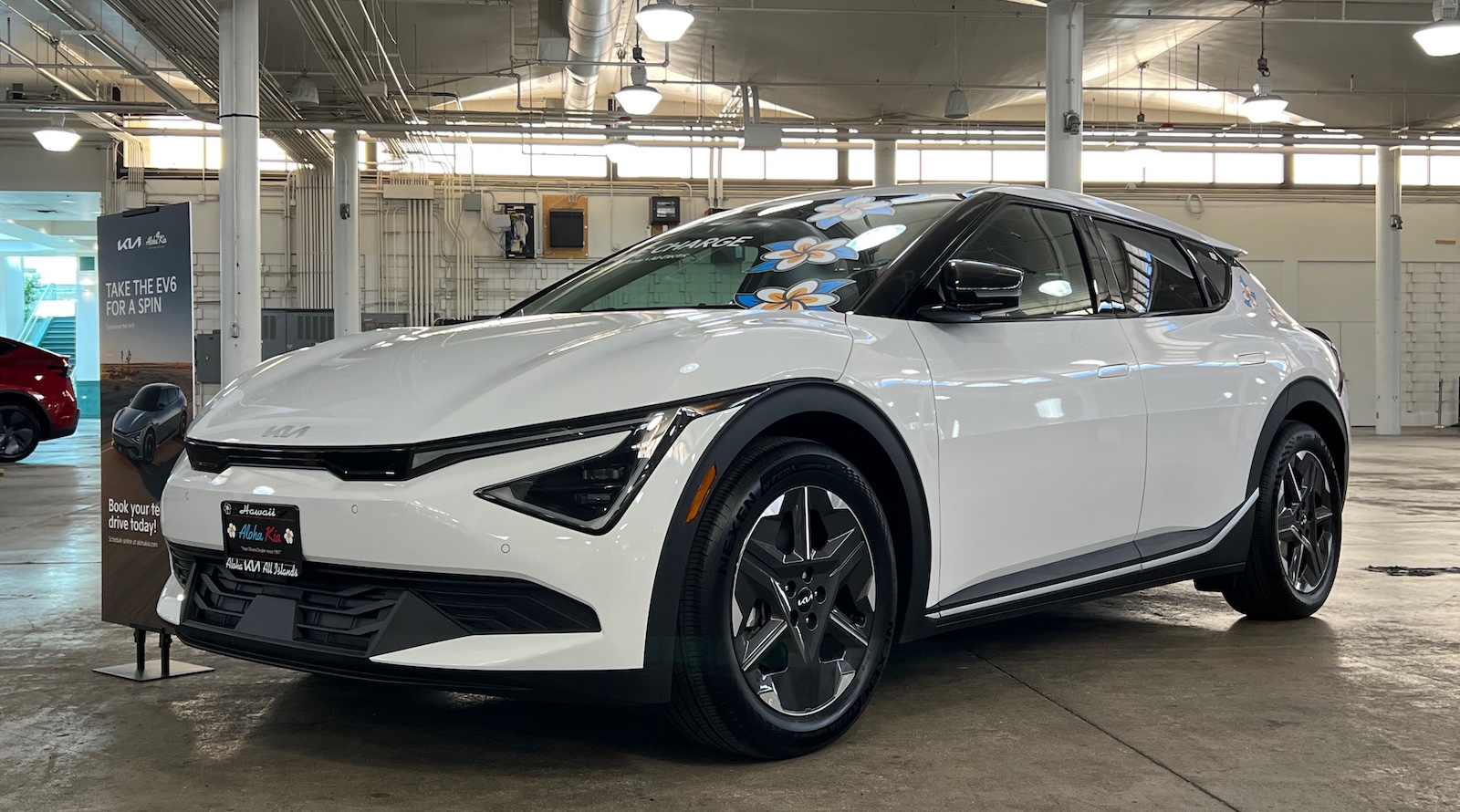
Why Gas Cars Could Be Worth Less Than Zero by 2031 in the US
Analyzing how cheap used EVs may make gasoline cars uneconomical in the US by 2031, with insights from Norway and China's used-car markets.

XPeng Advances AI Tech with VLA 2.0 Upgrade & Robotaxi Progress
XPeng's latest VLA 2.0 upgrade enhances intelligent driving with 4D perception, 20x safety boost, and voice-controlled robotaxis. Discover XPeng's AI advancements.

Mumbai’s Vile Parle Cypher is giving unheard rappers a voice

Enrich and Ultimo impress

Karnataka CM Signals Review of 5% Park Land Amendment Bill in Assembly

