Worm munch matters
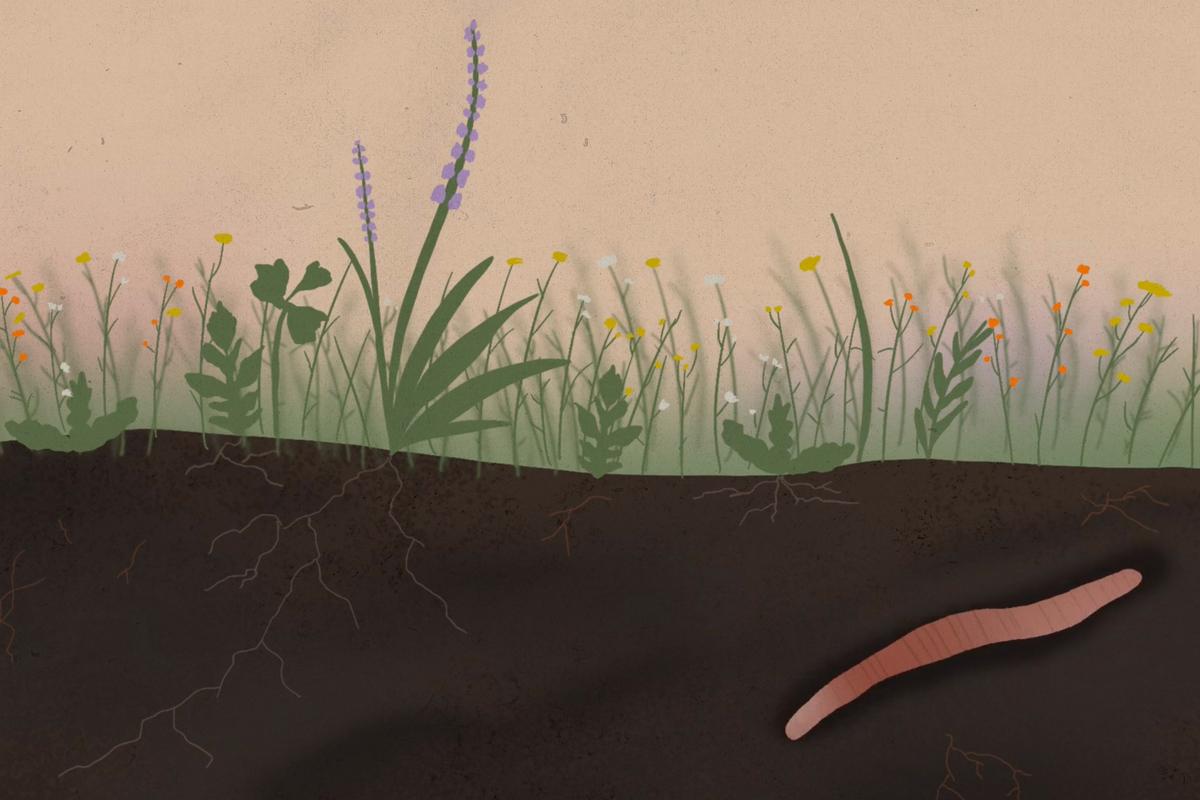
Earthworms, which lack discernible mouths, means of producing sound, or ears, typically spend their lives burrowing underground, consuming soil and decaying organic matter. However, their feeding behaviors generate distinctive sounds, offering insights into the subterranean ecosystems they inhabit.
Researchers have recently begun capturing these sounds using audio recording equipment. In a university basement in Oxfordshire, for example, scientists have recorded the soft, Velcro-like scraping noises produced by earthworms as they eat. These recordings, when analyzed, can reveal patterns about earthworm activity, soil health, and broader ecosystem dynamics.
The study of earthworm sounds represents a broader shift in ecological research. Traditionally, bioacoustics—the study of animal sounds—has focused on more audible creatures, such as birds and marine mammals. However, as technology advances, scientists are discovering that sound can be a powerful tool for monitoring life in less accessible environments, including underground.
Sound, a traveling vibration, serves as a measure of an ecosystem’s vitality. A "vibrant" habitat is one filled with biological noise, from bird calls to insect choruses. Now, researchers are applying similar principles to soil ecosystems, where earthworms and other organisms generate subtle acoustic signatures.
Passive acoustic monitoring—a method involving long-term recordings of environmental sounds—has already transformed the study of marine and aerial ecosystems. During the Cold War, the U.S. Navy’s Sound Surveillance System (SOSUS) accidentally uncovered a wealth of underwater sounds, including previously undetected whale calls. Similarly, advancements in ultrasound detection in the 1930s revealed the echolocation abilities of bats, which had long been misunderstood or feared due to their nocturnal habits.
In recent years, the field of ecoacoustics has emerged, combining bioacoustics with soundscape ecology to assess ecosystem health. Unlike simple noise levels, the diversity of sounds in a habitat—whether from animals, wind, or human activity—provides a clearer picture of ecological well-being.
A landmark example of this approach is Rachel Carson’s *Silent Spring* (1962), which linked the decline of bird populations to pesticide use. The absence of natural sounds, such as the dawn chorus, served as a warning of ecological collapse. Today, scientists use similar principles to evaluate soil health, where earthworm sounds may indicate soil degradation or recovery.
While earthworm acoustics are still a developing area of research, they highlight a growing understanding: sound is not just a byproduct of life but a fundamental indicator of it. By listening closely to these subterranean vibrations, researchers may uncover new ways to monitor and protect the hidden world beneath our feet.
Comments (0)
No comments yet — be the first to weigh in.

NASA Launches Nancy Grace Roman Telescope to Unlock Universe's Mysteries
NASA's new Nancy Grace Roman Space Telescope lifts off from Florida to study dark energy, exoplanets, and cosmic mysteries with unprecedented precision and scope.

Nature reserves spot rare species during heatwaves
Nature reserves in Hertfordshire and Middlesex have documented rare species this summer, with volunteers spotting wildlife not seen in decades and some even for...

Inmates at HMP La Moye craft boxes to save Jersey's hedgehogs
Prisoners at HMP La Moye have crafted nesting and feeding boxes to support Jersey's hedgehog population, boosting rehabilitation and community engagement.

2026 Nepal Flood: Ice‑Rock Avalanche, Glacial Lake Outburst and Climate‑Change Risks
A massive ice‑rock avalanche triggered a catastrophic flood in Nepal on Aug. 26 2026, followed by a glacial lake outburst that devastated towns and hydropower plants. Climate‑change‑driven thawing increased the risk.

Mumbai’s Vile Parle Cypher is giving unheard rappers a voice

Enrich and Ultimo impress

Karnataka CM Signals Review of 5% Park Land Amendment Bill in Assembly

