Americans Shift From Congregations to Cultural & Digital Spaces for Faith
A study finds Americans are leaving traditional religious institutions but staying engaged through arts, media and online communities, reshaping how faith is experienced.
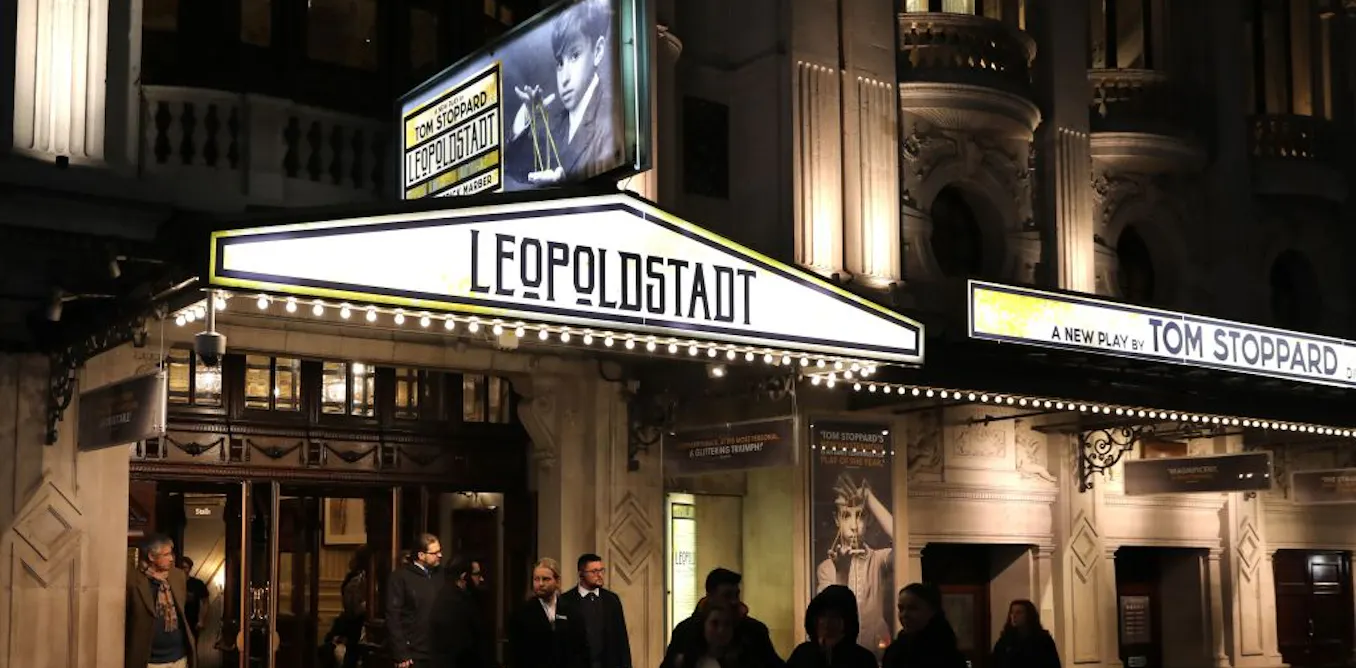
Americans are increasingly engaging with religious and cultural traditions outside traditional institutions like synagogues and churches, according to new research on Jewish identity and learning. Scholars studying Judaism and education have found that many people—both Jewish and non-Jewish—are turning to art, media, and social platforms to explore religious themes, often without formal membership in religious organizations.
Emma, a young Jewish woman from the New York area, exemplifies this trend. Though she does not attend synagogue or belong to a congregation, she actively explores Judaism through Jewish music, books, and retreats that combine Torah study with yoga. Her experience reflects a broader shift documented by researchers, who argue that standard surveys about religious affiliation and attendance may not capture the full scope of how Americans connect with religion today.
Between 2019 and early 2023, researchers interviewed hundreds of people and studied cultural activities like Jewish-themed Broadway shows, concerts, and online communities. They found that audiences at productions such as “Leopoldstadt” and “Parade” gained insights into Jewish history and identity, while social media discussions around shows like “Shtisel” helped viewers learn about ultra-Orthodox Jewish life. These findings suggest that informal cultural engagement is a significant—and often overlooked—pathway for religious learning.
Joan, a 50-year-old woman from Connecticut, is another example. While she feels deeply connected to Judaism, she avoids synagogues and Jewish community centers, which she finds unwelcoming to single people without families. Instead, she turns to Netflix, Jewish-themed TV shows, and social media groups to explore her identity and connect with others. Similarly, Luis, a Sephardic Jew living in Boston, finds meaning in Ladino music concerts and cultural events rather than religious institutions, reflecting his family’s Sephardic heritage and his secular Ashkenazi wife’s preference for nonreligious Jewish spaces like the Worker’s Circle.
Researchers note that this pattern is not unique to Judaism. Across the United States, Christians, Muslims, and people of other faiths are using podcasts, online groups, and digital networks to learn about religion outside traditional settings. These informal learning spaces allow individuals to reflect on religious practices, explore questions of belonging, and connect with family histories—often in ways that do not fit conventional survey categories.
The challenge for scholars and pollsters is to move beyond simple measures of religious affiliation or attendance. By recognizing the role of culture, media, and digital communities in religious exploration, researchers can better understand how contemporary Americans actually live their faith—or spiritual curiosity—in the 21st century.
#ReligionInAmerica #JewishIdentity #CulturalJudaism #InformalLearning #JewishCulture #ReligiousAffiliation #Spirituality #DigitalCommunities
Comments (0)
No comments yet — be the first to weigh in.

NASA Launches Nancy Grace Roman Telescope to Unlock Universe's Mysteries
NASA's new Nancy Grace Roman Space Telescope lifts off from Florida to study dark energy, exoplanets, and cosmic mysteries with unprecedented precision and scope.

Nature reserves spot rare species during heatwaves
Nature reserves in Hertfordshire and Middlesex have documented rare species this summer, with volunteers spotting wildlife not seen in decades and some even for...

Inmates at HMP La Moye craft boxes to save Jersey's hedgehogs
Prisoners at HMP La Moye have crafted nesting and feeding boxes to support Jersey's hedgehog population, boosting rehabilitation and community engagement.
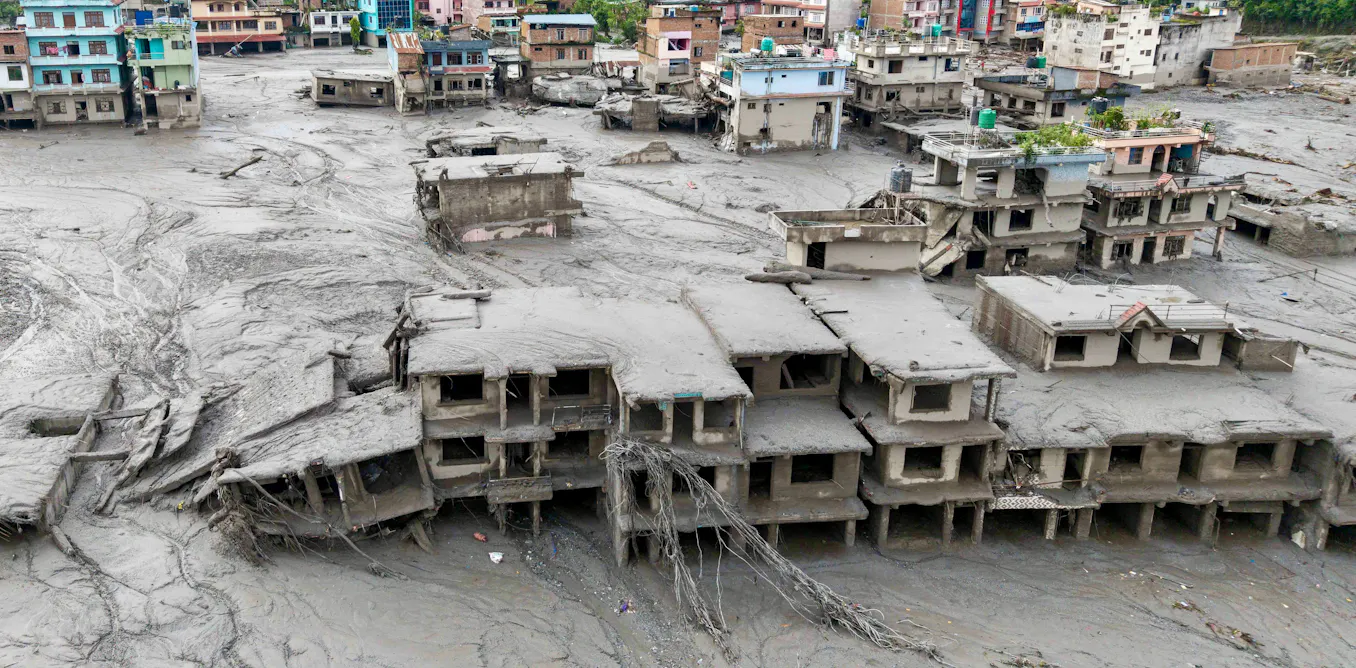
2026 Nepal Flood: Ice‑Rock Avalanche, Glacial Lake Outburst and Climate‑Change Risks
A massive ice‑rock avalanche triggered a catastrophic flood in Nepal on Aug. 26 2026, followed by a glacial lake outburst that devastated towns and hydropower plants. Climate‑change‑driven thawing increased the risk.

Mumbai’s Vile Parle Cypher is giving unheard rappers a voice

Enrich and Ultimo impress

Karnataka CM Signals Review of 5% Park Land Amendment Bill in Assembly

