Esports Injuries: The Hidden Physical Toll on Professional Gamers
Chronic injuries, repetitive strain, and mental health struggles plague professional gamers, prompting new fields of sports medicine tailored to esports. Learn about the risks and prevention strategies.
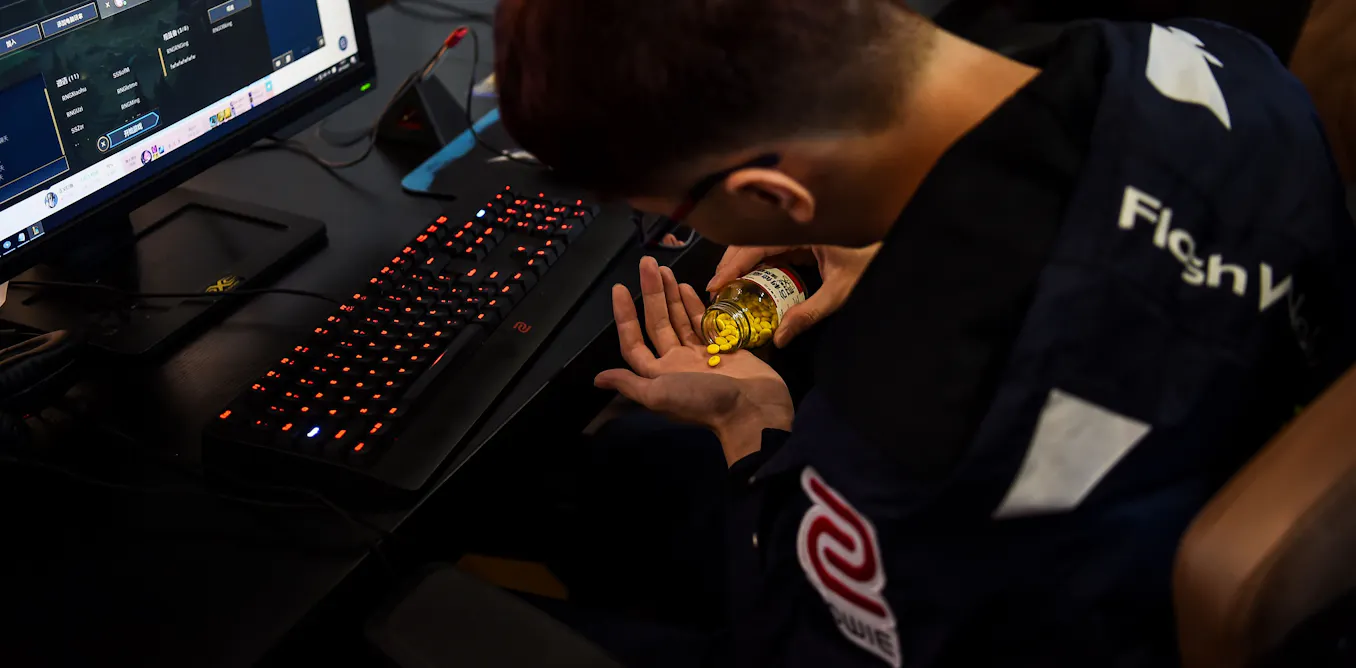
Esports athletes face significant physical and mental challenges that rival those of traditional sports, according to new research. The demanding nature of professional gaming has led to the emergence of specialized injury treatment and prevention strategies.
The physical toll of competitive gaming
Chinese esports player Jian "Uzi" Zi-hao retired in 2020 after accumulating over $500,000 in tournament winnings. His career ended due to chronic wrist and arm injuries, highlighting the physical strain of professional gaming. Research shows that esports players often experience musculoskeletal issues, eye problems, and sleep disturbances.
A 2021 study of Portuguese esports players found that 37% experienced anxiety and depression, while 45% reported sleep disturbances. Prolonged screen time contributes to vision problems, including eye fatigue and reduced focusing ability. Screen light can also disrupt melatonin production, affecting sleep-wake cycles.
Repetitive hand and wrist movements lead to common gaming-related injuries such as carpal tunnel syndrome, tendonitis, and "gamer's thumb." Back injuries are also prevalent due to prolonged sitting, which can strain the lower back and spine.
A rare but serious risk is deep vein thrombosis, a blood clot that can become life-threatening if it reaches the lungs. British gamer Chris Staniforth died from the condition in 2011 after playing for up to 12 hours at a time.
Support systems and prevention strategies
As esports has grown, so has the support infrastructure for players. Top teams now employ physical therapists, performance psychologists, athletic trainers, and massage therapists to optimize player performance and recovery.
Teams incorporate group exercise activities to build rapport and reduce injury risks. Proper spine and limb positioning during competition has become essential, with ergonomic chairs and exercise programs focusing on functional strength, mobility, and stretching of the upper limbs recommended.
The evolution of esports injury treatment
Esports injury research has drawn parallels with traditional sports, but scholars suggest looking to performing arts for additional insights. Musicians and dancers face similar physical and mental stresses, including long periods of sitting, small dexterous hand movements, and performing without real-time coaching.
Biomechanics research has found comparable patterns of forearm muscle fatigue between esports players and piano players, though no studies have directly compared the two groups. Joint hypermobility and hand size are also areas of interest in performing arts that could translate to esports.
Prevention and rehabilitation techniques continue to improve. Lee "Faker" Sang-hyeok, a star "League of Legends" player, returned to competition just a month after being sidelined with cubital tunnel syndrome. His rehabilitation included changes to gaming posture and intensive physical therapy, enabling him to win three consecutive world championships.
As esports prepares for its next major event, the 2026 "League of Legends" World Championship in the United States, the focus on player health and injury prevention remains crucial for sustaining athletes' careers and the industry's growth.
Comments (0)
No comments yet — be the first to weigh in.

NASA Launches Nancy Grace Roman Telescope to Unlock Universe's Mysteries
NASA's new Nancy Grace Roman Space Telescope lifts off from Florida to study dark energy, exoplanets, and cosmic mysteries with unprecedented precision and scope.

Nature reserves spot rare species during heatwaves
Nature reserves in Hertfordshire and Middlesex have documented rare species this summer, with volunteers spotting wildlife not seen in decades and some even for...

Inmates at HMP La Moye craft boxes to save Jersey's hedgehogs
Prisoners at HMP La Moye have crafted nesting and feeding boxes to support Jersey's hedgehog population, boosting rehabilitation and community engagement.

2026 Nepal Flood: Ice‑Rock Avalanche, Glacial Lake Outburst and Climate‑Change Risks
A massive ice‑rock avalanche triggered a catastrophic flood in Nepal on Aug. 26 2026, followed by a glacial lake outburst that devastated towns and hydropower plants. Climate‑change‑driven thawing increased the risk.

Mumbai’s Vile Parle Cypher is giving unheard rappers a voice

Enrich and Ultimo impress

Karnataka CM Signals Review of 5% Park Land Amendment Bill in Assembly

