Fish DNA in Ozark streams reveals region’s complex geologic history
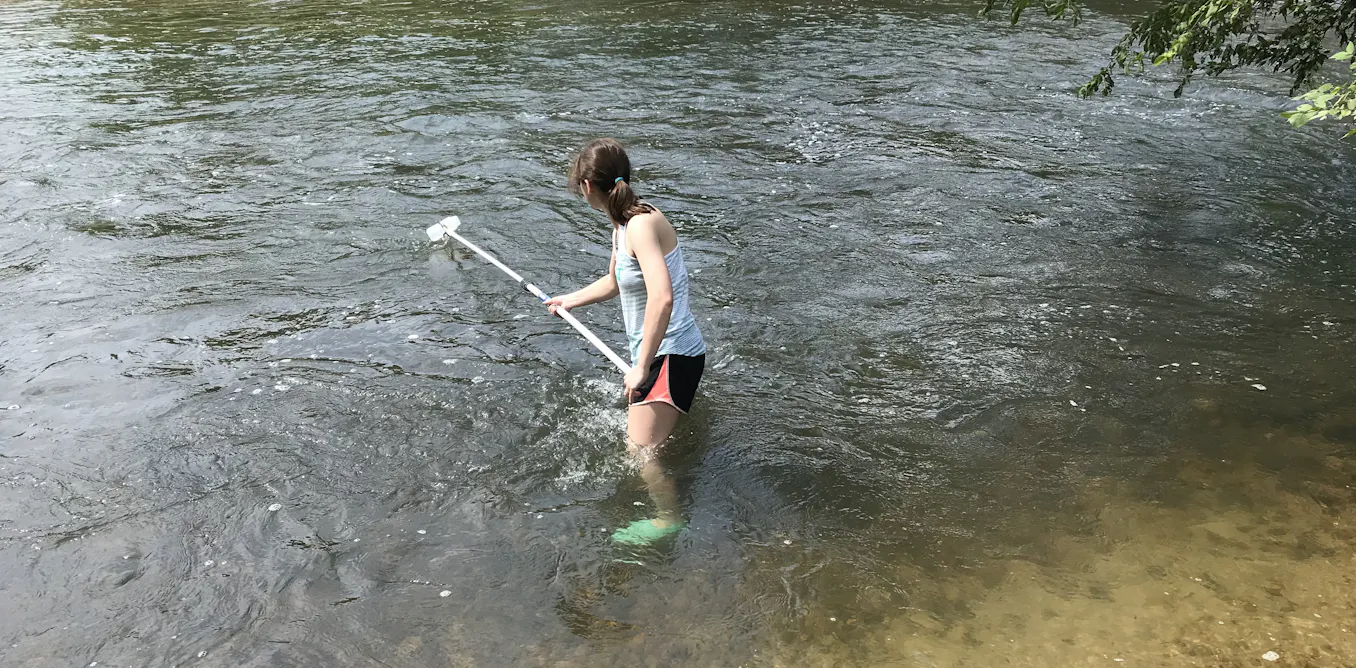
Researchers uncover Ozark fish biodiversity secrets through environmental DNA sampling
OZARKS — A recent environmental DNA study conducted in Missouri’s Ozark streams has revealed unexpected insights into the region’s complex geological and evolutionary history. Conducted by researchers from Missouri State University in partnership with the Missouri Department of Conservation, the project used water samples to detect fish species without direct observation, uncovering hidden biodiversity and ancient genetic patterns.
Researchers collected water from multiple Ozark streams and rivers, testing for environmental DNA to identify fish presence. While many expected species, including threatened ones like the lake sturgeon and Alabama shad, were detected as anticipated, a key species— the bleeding shiner (Luxilus zonatus)—was missing from several samples. Further investigation showed that bleeding shiner DNA was only found in southern Ozark streams, not in northern ones.
This geographic divide revealed a deeper story. Despite looking identical, northern and southern bleeding shiners had distinct genetic histories. Northern populations showed evidence of ancient hybridization with another shiner species, a genetic signature not present in southern fish. This suggests that long ago, separate river systems influenced these populations differently, preserving unique evolutionary paths.
The discovery highlights how glacial advances during the Pleistocene epoch reshaped river systems in the Ozarks. Northern drainages, flowing into the Missouri and Mississippi Rivers, were repeatedly altered by glacial activity, while southern drainages like the St. Francis, Black, White, and Spring Rivers remained more isolated. This isolation helped preserve genetically unique species, including distinct populations like the Black River walleye and other endemic minnows, sunfish, and darters.
Environmental DNA sampling proved to be more than a tool for species monitoring—it became a window into the region’s ancient past. Every water sample contained clues about how historical landscapes shaped today’s biodiversity. For researchers, this approach underscores the importance of genetic analysis in understanding the evolutionary history of watersheds.
The study was led by faculty and students at Missouri State University in collaboration with the Missouri Department of Conservation, demonstrating the value of partnerships in ecological research.
#OzarksBiodiversity #EnvironmentalDNA #BleedingShiner #MissouriConservation #FishGenetics #PleistoceneGeology #MissouriStateUniversity #RiverEcosystems
Comments (0)
No comments yet — be the first to weigh in.

NASA Launches Nancy Grace Roman Telescope to Unlock Universe's Mysteries
NASA's new Nancy Grace Roman Space Telescope lifts off from Florida to study dark energy, exoplanets, and cosmic mysteries with unprecedented precision and scope.

Nature reserves spot rare species during heatwaves
Nature reserves in Hertfordshire and Middlesex have documented rare species this summer, with volunteers spotting wildlife not seen in decades and some even for...

Inmates at HMP La Moye craft boxes to save Jersey's hedgehogs
Prisoners at HMP La Moye have crafted nesting and feeding boxes to support Jersey's hedgehog population, boosting rehabilitation and community engagement.

2026 Nepal Flood: Ice‑Rock Avalanche, Glacial Lake Outburst and Climate‑Change Risks
A massive ice‑rock avalanche triggered a catastrophic flood in Nepal on Aug. 26 2026, followed by a glacial lake outburst that devastated towns and hydropower plants. Climate‑change‑driven thawing increased the risk.

Mumbai’s Vile Parle Cypher is giving unheard rappers a voice

Enrich and Ultimo impress

Karnataka CM Signals Review of 5% Park Land Amendment Bill in Assembly

