Heat, Drought Threaten Herders' Health in Kenya and U.S. Workers
Extreme heat and drought are driving heat‑related illness, anxiety, and depression among herders in Kenya and the U.S., with wearable tech revealing rising risks.
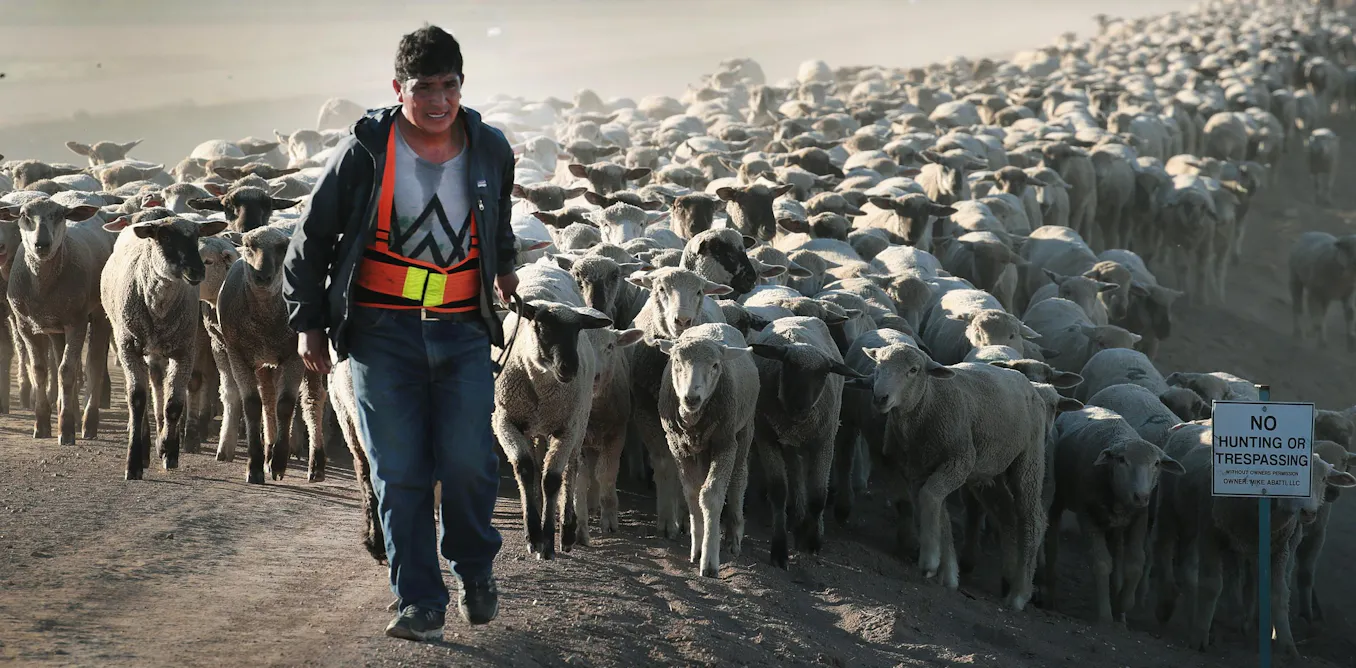
Relentless heat and drought are taking a growing toll on livestock herders in Kenya and the United States, according to recent research examining the physical and mental health impacts of extreme weather conditions. Herders in both countries face prolonged outdoor exposure, limited access to medical care, and rising temperatures that strain their well-being.
In northern Kenya, pastoralists endure some of the most severe conditions. "We have never experienced such hot days," a local herder told researchers in 2024. "It is difficult to [do things] outside [with] the high temperatures." Many herders traverse up to 100 miles (160 kilometers) during droughts in search of water and grazing land, often sleeping outdoors or in makeshift shelters. Similarly, shepherds in the U.S. West—particularly in states like Colorado and California—work around the clock under extreme heat, living in trailers without air conditioning and enduring 12-hour days in direct sunlight.
Drought and extreme heat reduce available pasture and water, forcing herders to push their livestock—and themselves—harder. In Kenya, where droughts have become more frequent and severe, researchers found that herders face a higher risk of dehydration and heat-related illnesses. A 2020-2023 study in northern Kenya, which experienced a devastating drought killing 13.2 million livestock, revealed that most herders reported headaches, breathing difficulties, and excessive sweating—classic signs of heat stress. Many also described stress and hopelessness, likely linked to both environmental pressures and economic losses.
In the U.S., employers are required to implement heat illness prevention plans, yet isolated working conditions mean herders may only receive medical attention in emergencies. A California state report warned that extreme heat can be fatal for outdoor workers and stressed the need for prompt emergency responses.
To better understand the real-time effects of heat exposure, researchers in Kenya used wearable technology, including smartwatches and temperature loggers, to track herders’ health. Over three months in 2026, 30 herders wore these devices, recording daytime temperatures between 88.7°F and 97°F (31.5°C and 36.1°C). Findings showed a small but noticeable increase in heat-related symptoms as temperatures rose. Unlike office workers, herders cannot avoid outdoor labor when it’s hot, making them uniquely vulnerable to immediate and long-term health risks, including cardiovascular disease.
Researchers emphasize that more sustained, long-term studies are needed to fully grasp how chronic heat exposure affects herders’ health. With climate change intensifying, the health challenges faced by this often-overlooked group are becoming impossible to ignore.
#HerdersHealth #ClimateChange #Kenya #USA #ExtremeWeather #LivestockFarming #HeatStress #DroughtImpact
Comments (0)
No comments yet — be the first to weigh in.

NASA Launches Nancy Grace Roman Telescope to Unlock Universe's Mysteries
NASA's new Nancy Grace Roman Space Telescope lifts off from Florida to study dark energy, exoplanets, and cosmic mysteries with unprecedented precision and scope.

Nature reserves spot rare species during heatwaves
Nature reserves in Hertfordshire and Middlesex have documented rare species this summer, with volunteers spotting wildlife not seen in decades and some even for...

Inmates at HMP La Moye craft boxes to save Jersey's hedgehogs
Prisoners at HMP La Moye have crafted nesting and feeding boxes to support Jersey's hedgehog population, boosting rehabilitation and community engagement.

2026 Nepal Flood: Ice‑Rock Avalanche, Glacial Lake Outburst and Climate‑Change Risks
A massive ice‑rock avalanche triggered a catastrophic flood in Nepal on Aug. 26 2026, followed by a glacial lake outburst that devastated towns and hydropower plants. Climate‑change‑driven thawing increased the risk.

Mumbai’s Vile Parle Cypher is giving unheard rappers a voice

Enrich and Ultimo impress

Karnataka CM Signals Review of 5% Park Land Amendment Bill in Assembly

