Just as the world appears to be losing its appetite for books, William T. Vollmann pens a 3,000-page novel
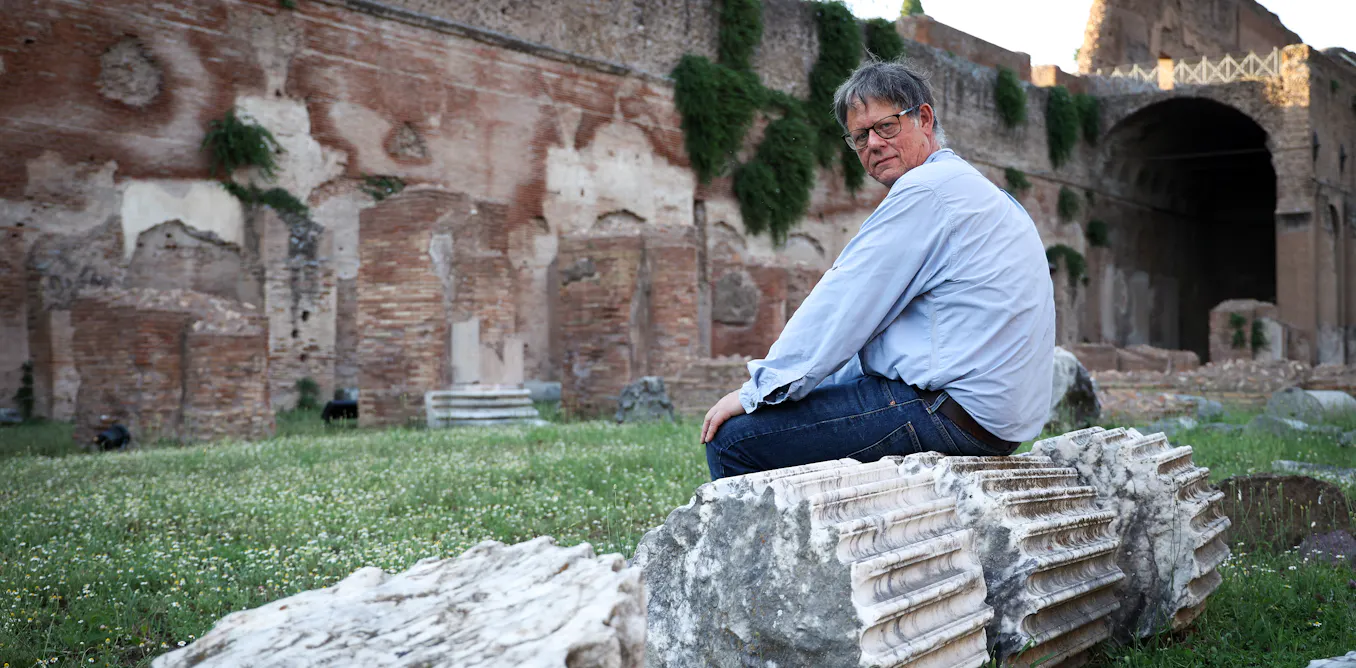
William T. Vollmann’s forthcoming novel, *A Table for Fortune*, arrives as public interest in long-form reading appears to decline. The 3,000-page, four-volume work stands as a bold counterpoint to concerns over the future of books, publishing, and literacy. Vollmann, a 67-year-old author known for ambitious, uncompromising projects, has spent decades exploring global poverty, North American history, and climate change across roughly 25 books—many exceeding 500 pages.
His latest work examines the roots and consequences of the September 11 attacks, framing them as both a historical turning point and a continuing crisis. The novel follows two central characters: DAVE, a CIA analyst whose faith in American ideals erodes after 9/11 and the War on Terror, and his son Matthew, who seeks purpose amid addiction and homelessness. Vollmann’s approach blends ideas and emotions, weaving geopolitical critique with personal struggle.
The timing of the novel’s release is fraught. In 2022, Vollmann faced personal and professional setbacks, including the loss of his daughter, the end of his long-term publishing relationship with Viking, and health challenges including colon cancer. Meanwhile, the publishing industry grapples with declining readership and shifting educational expectations, making long, complex books seem increasingly out of step with market realities.
Yet Vollmann’s maximalist style may offer more than mere literary ambition. His works challenge readers to confront uncomfortable truths about power, policy, and unintended consequences. In *A Table for Fortune*, he interrogates how well-intentioned actions can devolve into further harm, echoing ongoing conflicts in the Middle East and the unresolved legacies of 9/11. The novel aligns with a tradition of literary maximalism, joining predecessors like Thomas Pynchon’s *Gravity’s Rainbow* and Don DeLillo’s *Underworld*, as well as contemporary works such as David Foster Wallace’s *Infinite Jest*.
Critics note that Vollmann’s methods—layered narratives, extensive research, and unflinching detail—reflect a deep sense of responsibility. His books are not long for spectacle, but to address urgent, systemic questions. In an era of misinformation and algorithm-driven discourse, his work offers a counterbalance: sustained, critical engagement with history and ethics.
Though the publishing landscape grows more cautious, Vollmann’s novel finds support among independent houses. Deep Vellum and others continue to champion ambitious literature, including international works like Mircea Cărtărescu’s *Solenoid* and Michael Lentz’s *Schattenfroh*. These projects suggest a persistent, if niche, appetite for challenging, expansive storytelling.
For Vollmann, the novel is both a personal testament and a public challenge. As he reflects in his note to readers, the failures of the post-9/11 world arise from unlearned lessons, expedient power, and disabled consciences—exacerbated by chance. *A Table for Fortune* does not promise easy answers, but it insists on asking the right questions.
#WilliamT.Vollmann #ATableForFortune #LiteraryMaximalism #September11 #ContemporaryLiterature #PublishingIndustry #LiteraryCriticism #LongFormReading
Comments (0)
No comments yet — be the first to weigh in.

NASA Launches Nancy Grace Roman Telescope to Unlock Universe's Mysteries
NASA's new Nancy Grace Roman Space Telescope lifts off from Florida to study dark energy, exoplanets, and cosmic mysteries with unprecedented precision and scope.

Nature reserves spot rare species during heatwaves
Nature reserves in Hertfordshire and Middlesex have documented rare species this summer, with volunteers spotting wildlife not seen in decades and some even for...

Inmates at HMP La Moye craft boxes to save Jersey's hedgehogs
Prisoners at HMP La Moye have crafted nesting and feeding boxes to support Jersey's hedgehog population, boosting rehabilitation and community engagement.
2026 Nepal Flood: Ice‑Rock Avalanche, Glacial Lake Outburst and Climate‑Change Risks
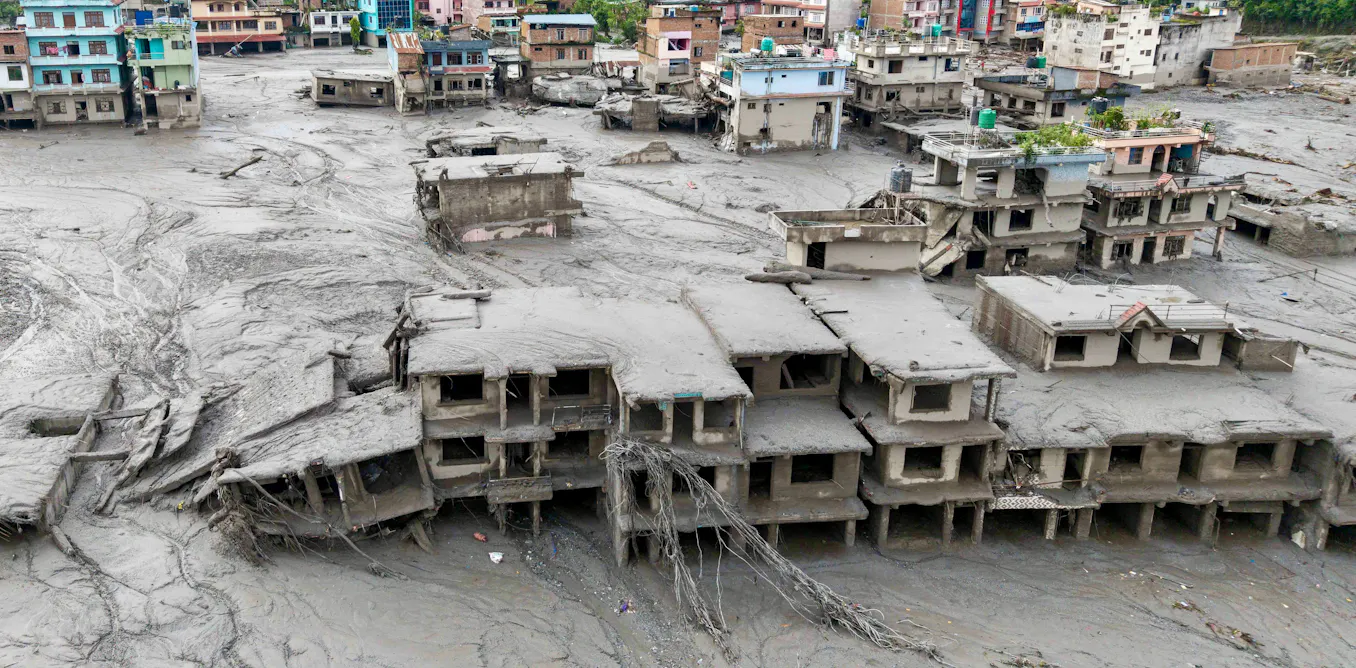
A massive ice‑rock avalanche triggered a catastrophic flood in Nepal on Aug. 26 2026, followed by a glacial lake outburst that devastated towns and hydropower plants. Climate‑change‑driven thawing increased the risk.

Mumbai’s Vile Parle Cypher is giving unheard rappers a voice

Enrich and Ultimo impress

Karnataka CM Signals Review of 5% Park Land Amendment Bill in Assembly

