Khosheutovsky Khurul: Europe's Oldest Buddhist Temple Explored
Discover the history and architecture of Khosheutovsky Khurul, Europe's oldest Buddhist temple, in this insightful video essay.
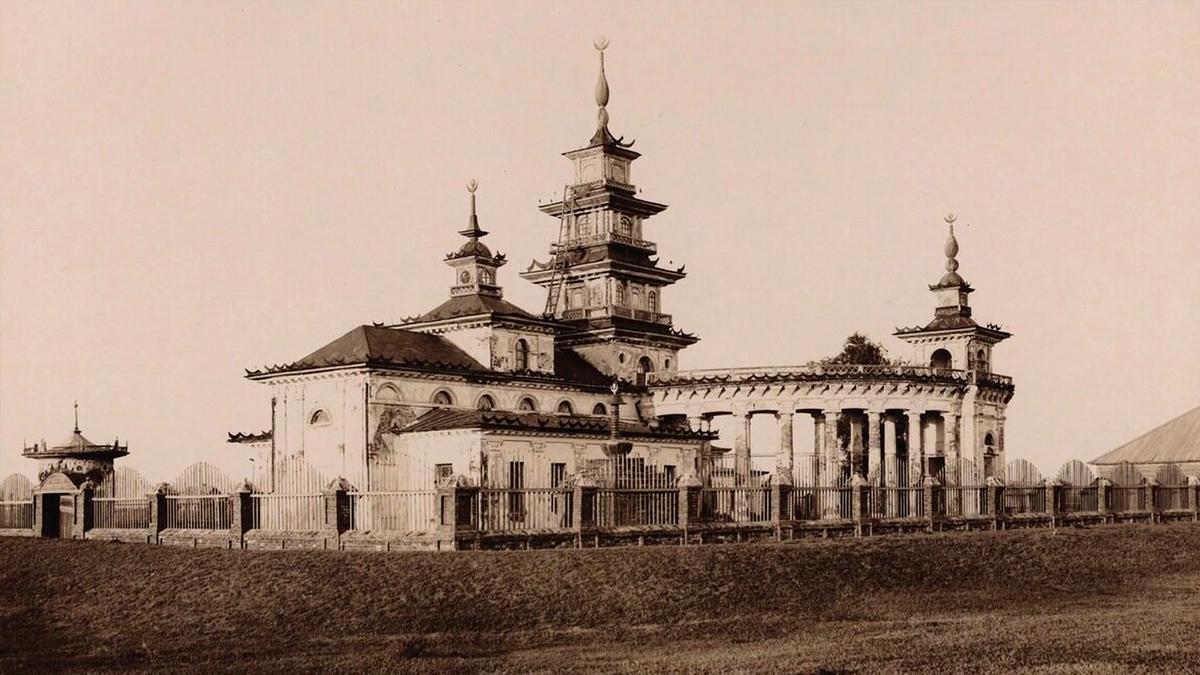
The Khosheutovsky khurul stands as a testament to both religious endurance and cultural heritage in southwestern Russia. This historic Buddhist temple, located in the Republic of Kalmykia, is widely recognized as the oldest surviving Buddhist temple in Europe. A new video essay from the YouTube channel Kings and Things delves into the temple’s layered history, tracing its origins, periods of closure, and eventual revival.
The Khosheutovsky khurul was established in the early 19th century as a memorial to the Kalmyk soldiers who fought alongside the Russian Imperial Army against Napoleon’s forces during the Patriotic War of 1812. These Kalmyk cavalrymen, part of the Bashkir-Meshcheryakov-Kalmyk Regiment, played a notable role in the conflict. Their service is commemorated in the temple’s very foundation, reflecting the deep ties between the Kalmyk people and the broader narrative of Russian military history.
Following the Russian Revolution of 1917, the temple faced a period of decline. Like many religious institutions during the Soviet era, it was shuttered, and its religious functions were suspended. For decades, the Khosheutovsky khurul stood unused, a silent witness to the political and social upheavals of the 20th century. The closure marked a stark interruption in the long-standing tradition of Kalmyk Buddhist practice.
The temple was reopened in the late 20th century, a period that coincided with growing religious and cultural revival across the Russian Federation. However, its current form differs significantly from its original design. Restorations and modifications have altered its architectural appearance, reflecting both preservation efforts and the evolving needs of the Kalmyk Buddhist community.
The story of the Khosheutovsky khurul offers more than just an architectural narrative. It provides insight into the history of the Kalmyk people, a Mongol ethnic group with deep Buddhist roots who migrated to the European steppes centuries ago. The temple also serves as a lens through which to view two centuries of Russian history—from imperial expansion and wartime contributions to revolution, Soviet suppression, and eventual cultural resurgence.
Today, the Khosheutovsky khurul remains an active place of worship and a symbol of Kalmyk identity. While its structure has changed, its spiritual significance endures. The video essay by Kings and Things brings this layered history to life, using archival imagery and careful research to illuminate a corner of European Buddhist heritage often overlooked in broader historical accounts.
#BuddhistTemple #Kalmykia #Russia #KhosheutovskyKhurul #BuddhistHistory #KalmykPeople #RussianHistory #CulturalHeritage
Comments (0)
No comments yet — be the first to weigh in.

NASA Launches Nancy Grace Roman Telescope to Unlock Universe's Mysteries
NASA's new Nancy Grace Roman Space Telescope lifts off from Florida to study dark energy, exoplanets, and cosmic mysteries with unprecedented precision and scope.

Nature reserves spot rare species during heatwaves
Nature reserves in Hertfordshire and Middlesex have documented rare species this summer, with volunteers spotting wildlife not seen in decades and some even for...

Inmates at HMP La Moye craft boxes to save Jersey's hedgehogs
Prisoners at HMP La Moye have crafted nesting and feeding boxes to support Jersey's hedgehog population, boosting rehabilitation and community engagement.
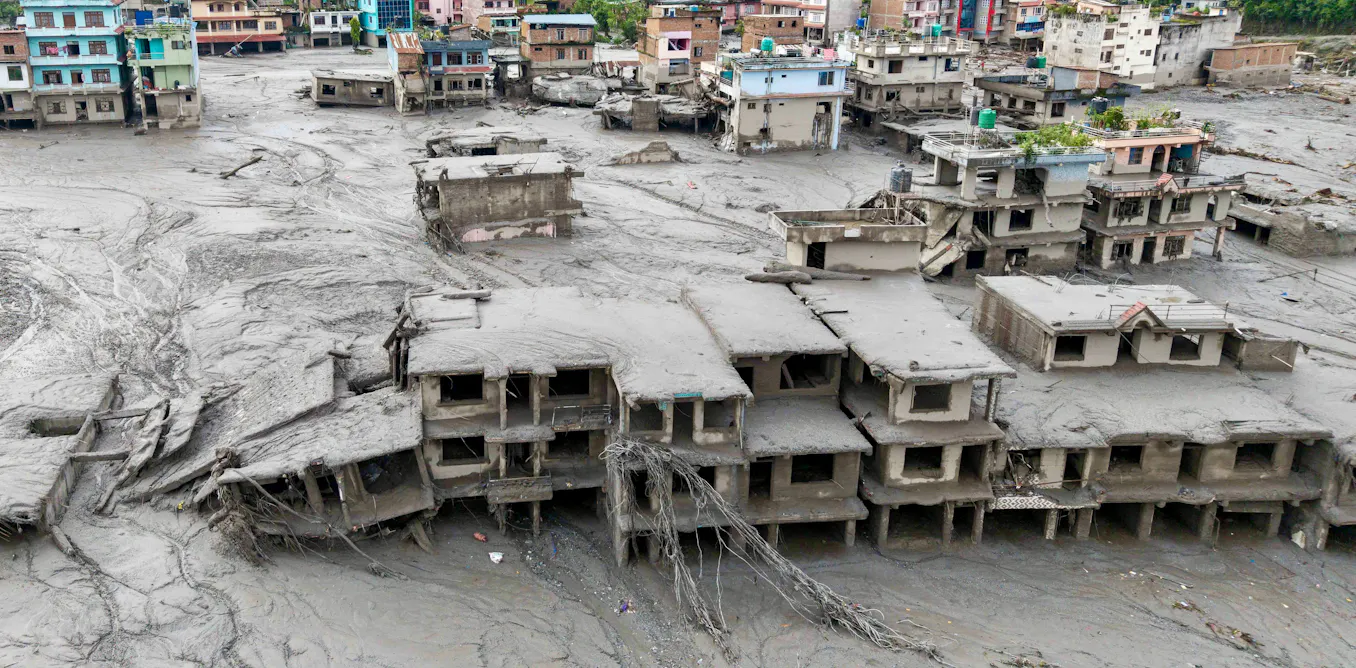
2026 Nepal Flood: Ice‑Rock Avalanche, Glacial Lake Outburst and Climate‑Change Risks
A massive ice‑rock avalanche triggered a catastrophic flood in Nepal on Aug. 26 2026, followed by a glacial lake outburst that devastated towns and hydropower plants. Climate‑change‑driven thawing increased the risk.

Mumbai’s Vile Parle Cypher is giving unheard rappers a voice

Enrich and Ultimo impress

Karnataka CM Signals Review of 5% Park Land Amendment Bill in Assembly

