Mad Honey Toxicity: Risks of Wild Himalayan Honey Online Sales
Consuming wild Himalayan mad honey, made by cliff bees feeding on rhododendrons, can cause severe heart issues due to grayanotoxin. Sold online globally, it poses health risks to unaware buyers.
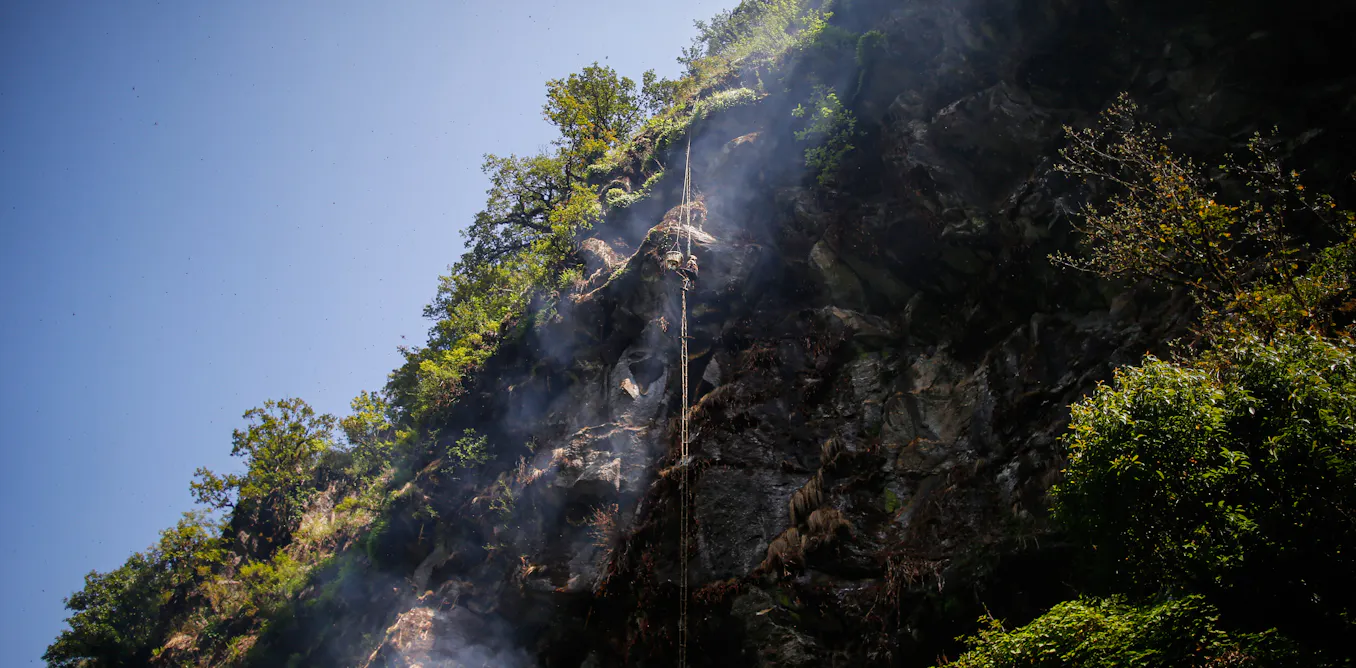
Mad honey, a rare and potent honey from Nepal containing natural toxins, is gaining international attention after cases of poisoning linked to its consumption were reported worldwide. Known locally as "bhir mauri ko maha," this honey is produced by the Himalayan cliff bee (*Apis laboriosa*), which collects nectar from rhododendron flowers containing grayanotoxin. The toxin can cause dangerous drops in heart rate and blood pressure, leading to severe health risks if consumed in large quantities.
The honey, traditionally harvested by the Gurung people of Nepal’s Gandaki Province, has been used for centuries in Ayurvedic medicine. However, its growing popularity as a psychoactive substance on global online markets has raised concerns among health officials. Cases of poisoning have been documented in countries like South Korea, France, and Qatar, where consumers may unknowingly ingest unsafe amounts.
Researchers, including chemical ecologist and Nepal native Mahendra B. Gurung, have been studying the phenomenon to understand its broader public health implications. Gurung, who has long studied plant-insect chemical interactions, collaborated with medical doctors to analyze poisoning cases from 1976 to 2026. Their review of 27 published papers revealed 68 documented cases since 2009, with a striking pattern: 72% of victims were middle-aged men who consumed the honey intentionally, often as a remedy for high blood pressure or perceived aphrodisiac effects. Despite some experimental evidence suggesting mild blood pressure benefits, the margin between a safe dose and a toxic one is dangerously narrow.
The toxicity of mad honey peaks during spring, when rhododendron blooms are most abundant, and a secondary harvest in autumn also contributes to poisoning cases. In Nepal, doctors treat patients with intravenous fluids and atropine, a medication that restores normal heart rhythm. Most recover within a day or two, but delays in diagnosis—particularly in countries unfamiliar with the condition—can worsen outcomes.
The commercialization of mad honey poses additional risks. Sellers on major online platforms often market it as a "superfood" or psychedelic substance without adequate warnings, leading to unintentional overdoses. The honey’s high price, sometimes hundreds of dollars per kilogram, has fueled demand, but consumers may lack awareness of its potential dangers. Gurung and his team are now conducting further research to measure grayanotoxin levels in honey samples from different regions and seasons, aiming to identify which rhododendron species produce the most toxin.
Beyond health concerns, the decline of the Himalayan cliff bee due to overharvesting, habitat loss, and climate change threatens both local ecosystems and traditional honey-hunting practices. The bee plays a crucial role in pollinating high-altitude plants, including rhododendrons, but baseline data on its population remains scarce. Protecting this species is vital not only for cultural heritage but also for maintaining the ecological balance of the Hindu Kush Himalayan region.
As mad honey continues to attract global buyers, experts emphasize the need for stricter regulations, clearer consumer warnings, and further research to mitigate health risks and preserve cultural traditions.
#MadHoney #Nepal #HimalayanCliffBee #Grayanotoxin #FoodSafety #GurungPeople #AyurvedicMedicine #ToxicHoney
Comments (0)
No comments yet — be the first to weigh in.

NASA Launches Nancy Grace Roman Telescope to Unlock Universe's Mysteries
NASA's new Nancy Grace Roman Space Telescope lifts off from Florida to study dark energy, exoplanets, and cosmic mysteries with unprecedented precision and scope.

Nature reserves spot rare species during heatwaves
Nature reserves in Hertfordshire and Middlesex have documented rare species this summer, with volunteers spotting wildlife not seen in decades and some even for...

Inmates at HMP La Moye craft boxes to save Jersey's hedgehogs
Prisoners at HMP La Moye have crafted nesting and feeding boxes to support Jersey's hedgehog population, boosting rehabilitation and community engagement.

2026 Nepal Flood: Ice‑Rock Avalanche, Glacial Lake Outburst and Climate‑Change Risks
A massive ice‑rock avalanche triggered a catastrophic flood in Nepal on Aug. 26 2026, followed by a glacial lake outburst that devastated towns and hydropower plants. Climate‑change‑driven thawing increased the risk.

Mumbai’s Vile Parle Cypher is giving unheard rappers a voice

Enrich and Ultimo impress

Karnataka CM Signals Review of 5% Park Land Amendment Bill in Assembly

