Methane Explained: The Climate Crisis's Second Most Critical Greenhouse Gas
Discover what methane is, its sources, impact on climate change, and why reducing emissions is vital for global warming mitigation.

Methane, the second‑most potent greenhouse gas after carbon dioxide, is rising faster than scientists feared, threatening to accelerate global warming if emissions are not curbed. In 2023 atmospheric methane concentrations were 1,934 parts per billion, a 265 % increase over pre‑industrial levels, and roughly 60 % of that rise is human‑made. Methane’s short atmospheric lifetime—about 12 years—means that cutting its emissions can quickly reduce warming, with the Intergovernmental Panel on Climate Change (IPCC) estimating a 34 % cut by 2030 compared with 2019 levels is needed to keep temperature gains below 1.5 °C.
Methane is a hydrocarbon (CH₄) that occurs naturally in wetlands, livestock digestive tracts, and geological formations such as natural gas deposits. It is also a major component of natural gas, which supplies about a quarter of the world’s electricity. Biological methane, called methanogenesis, is produced by archaea in oxygen‑free environments like swamps and ruminant guts. Geological methane forms when heat and pressure transform organic matter over millions of years, or can arise in the absence of organic material through other deep‑earth processes.
The largest sources of human methane are agriculture, fossil fuels, and waste management. Livestock alone accounts for 32 % of human emissions, primarily through enteric fermentation in cattle, sheep, and goats. Manure storage, especially of pigs and cows, adds further releases. Rice cultivation, which uses flooded paddies, contributes about 8 % of anthropogenic methane, while burning agricultural waste adds roughly 1 %. Fossil‑fuel activity supplies 35 % of human emissions, with 23 % stemming from oil and gas extraction, transport, and use. Methane escapes during venting and from leaks in pipelines and storage facilities. Waste treatment facilities, including landfills, add another share.
Methane’s climate impact is measured in terms of its global warming potential (GWP). Over a 20‑year horizon methane traps 86 times more heat per kilogram than CO₂; over 100 years the ratio falls to 28 times. Because of its potency and short lifespan, reducing methane yields a rapid return on climate mitigation investments. The Global Methane Assessment concluded that targeting methane offers the greatest potential to reduce warming in the next two decades.
Accurate measurement of methane is essential for effective policy. Two main approaches exist. Bottom‑up methods start on the ground, estimating emissions from individual sources such as cattle or natural‑gas facilities based on known release rates and counts of animals or equipment. Top‑down methods use atmospheric observations from aircraft, high‑altitude platforms, or satellites to infer total emissions. Satellite data has revealed “super‑emitters” that bottom‑up estimates miss; for instance, five percent of large leaks account for more than half of all gas‑industry methane. A U.S. study found direct measurements of oil‑and‑gas emissions were 60 % higher than EPA estimates, underscoring the need for ground‑and‑air verification.
Methane’s natural sinks—soil microbes and atmospheric oxidation—normally balance natural emissions. However, since the industrial revolution, human activity has outpaced these sinks, leading to a rapid concentration rise. If current trends continue, methane could increase by 13 % between 2020 and 2030, further amplifying warming.
Policy measures that reduce methane include stricter regulation of oil‑and‑gas operations, improved livestock management, better manure handling, and enhanced waste treatment. International agreements such as the Paris Accord implicitly target methane through overall greenhouse‑gas reductions, but many experts argue that dedicated methane protocols are needed. The U.S. Environmental Protection Agency’s 2023 rule requiring oil and gas companies to report and curb methane emissions is a step toward aligning national practice with global science.
In sum, methane’s rapid rise, high warming potency, and relatively short atmospheric lifetime make it a critical target for climate action. Accurate measurement, especially through combined ground‑based and satellite monitoring, is essential to identify and mitigate the most significant sources. Without aggressive reductions, methane will continue to accelerate global temperature increases, undermining efforts to limit warming to 1.5 °C.
Comments (0)
No comments yet — be the first to weigh in.

NASA Launches Nancy Grace Roman Telescope to Unlock Universe's Mysteries
NASA's new Nancy Grace Roman Space Telescope lifts off from Florida to study dark energy, exoplanets, and cosmic mysteries with unprecedented precision and scope.

Nature reserves spot rare species during heatwaves
Nature reserves in Hertfordshire and Middlesex have documented rare species this summer, with volunteers spotting wildlife not seen in decades and some even for...

Inmates at HMP La Moye craft boxes to save Jersey's hedgehogs
Prisoners at HMP La Moye have crafted nesting and feeding boxes to support Jersey's hedgehog population, boosting rehabilitation and community engagement.
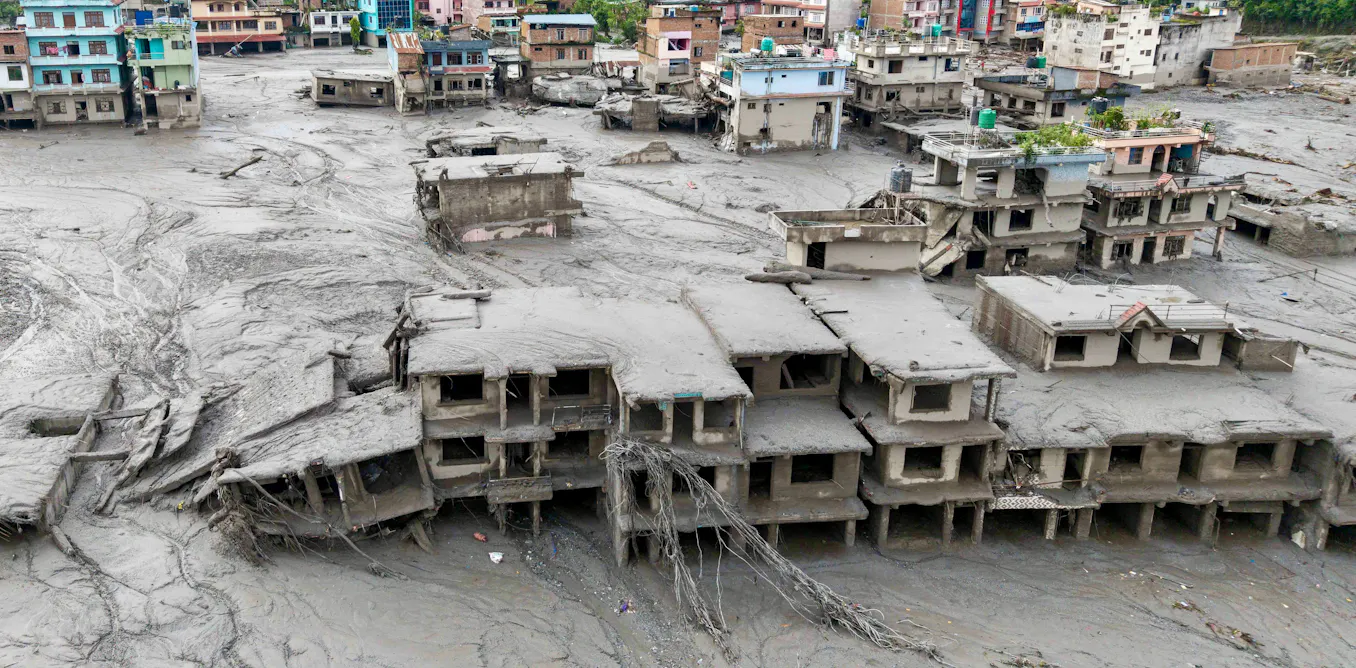
2026 Nepal Flood: Ice‑Rock Avalanche, Glacial Lake Outburst and Climate‑Change Risks
A massive ice‑rock avalanche triggered a catastrophic flood in Nepal on Aug. 26 2026, followed by a glacial lake outburst that devastated towns and hydropower plants. Climate‑change‑driven thawing increased the risk.

Mumbai’s Vile Parle Cypher is giving unheard rappers a voice

Enrich and Ultimo impress

Karnataka CM Signals Review of 5% Park Land Amendment Bill in Assembly

