More protein in your breakfast or snacks won’t give you more muscle without more work – a biologist separates the science from the marketing
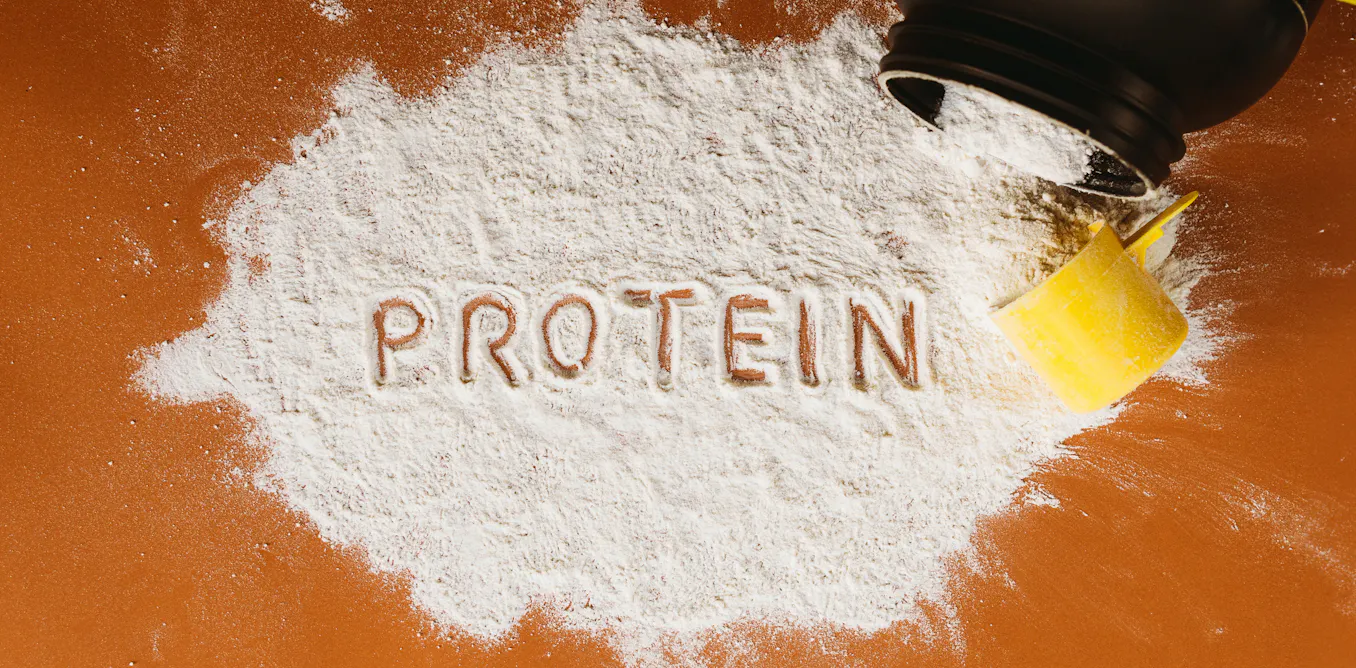
The modern breakfast aisle looks dramatically different than it did a generation ago, with protein-enriched cereal, bread, chips, and even Pop-Tarts now crowding the shelves. This shift reflects a broader consumer obsession with protein that has reshaped food marketing—and science is starting to catch up.
As a biologist studying proteins essential for nerve and muscle function, I’ve tracked how protein has moved from gym culture into everyday food products. The trend isn’t entirely baseless: protein is vital for building muscle, supporting the immune system, and maintaining healthy skin and organs. But the idea that simply adding more protein to snacks or breakfast can build muscle without exercise is a marketing oversimplification, not a biological fact.
Protein is made of amino acids, nine of which are essential and must come from food. Animal proteins like eggs, dairy, fish, and lean meats are complete sources, containing all essential amino acids. Most plant proteins, except soy, are incomplete but can be combined—like rice and beans—to create a complete profile. Cooking generally improves protein digestibility, making scrambled eggs a better choice than raw ones, despite Rocky Balboa’s iconic breakfast ritual.
Federal dietary guidelines in the U.S. recently increased the recommended protein intake for adults from 0.8 grams per kilogram of body weight to 1.2–1.6 grams per kilogram. For a 150-pound person, that means about 80 to 110 grams of protein daily, though individual needs vary based on age, sex, and activity level. While most Americans already consume enough protein, supplements like protein powders—now a $20 billion industry—are heavily marketed as muscle builders.
However, protein alone doesn’t build muscle. Resistance training is required to stimulate muscle growth, as shown in a 2021 clinical trial where older adults only gained strength and muscle size when protein was paired with exercise. Protein shakes can help those struggling to meet dietary needs, such as people on GLP-1 weight-loss medications, but they lack the fiber, vitamins, and minerals found in whole foods like fish, beans, and nuts.
Excessive protein intake can also pose risks, including kidney strain and digestive issues. Many protein-fortified packaged foods contain added sugar, salt, or saturated fats, making them more like candy bars in disguise. Health authorities recommend prioritizing whole-food protein sources and combining different plant proteins to ensure nutritional completeness.
In short, while protein is essential, the key to muscle growth isn’t more protein in your breakfast—it’s balanced nutrition and consistent strength training.
#ProteinIntake #MuscleGrowth #NutritionScience #HealthyEating #ResistanceTraining #FoodMarketing #USADietaryGuidelines
Comments (0)
No comments yet — be the first to weigh in.

NASA Launches Nancy Grace Roman Telescope to Unlock Universe's Mysteries
NASA's new Nancy Grace Roman Space Telescope lifts off from Florida to study dark energy, exoplanets, and cosmic mysteries with unprecedented precision and scope.

Nature reserves spot rare species during heatwaves
Nature reserves in Hertfordshire and Middlesex have documented rare species this summer, with volunteers spotting wildlife not seen in decades and some even for...

Inmates at HMP La Moye craft boxes to save Jersey's hedgehogs
Prisoners at HMP La Moye have crafted nesting and feeding boxes to support Jersey's hedgehog population, boosting rehabilitation and community engagement.

2026 Nepal Flood: Ice‑Rock Avalanche, Glacial Lake Outburst and Climate‑Change Risks
A massive ice‑rock avalanche triggered a catastrophic flood in Nepal on Aug. 26 2026, followed by a glacial lake outburst that devastated towns and hydropower plants. Climate‑change‑driven thawing increased the risk.

Mumbai’s Vile Parle Cypher is giving unheard rappers a voice

Enrich and Ultimo impress

Karnataka CM Signals Review of 5% Park Land Amendment Bill in Assembly

