Pueblo Syringe Ban Lifted: Litter Down, Health Services Suffered
After Pueblo's temporary syringe ban, litter fell but naloxone distribution dropped, potentially costing lives. The court ruling restored services.
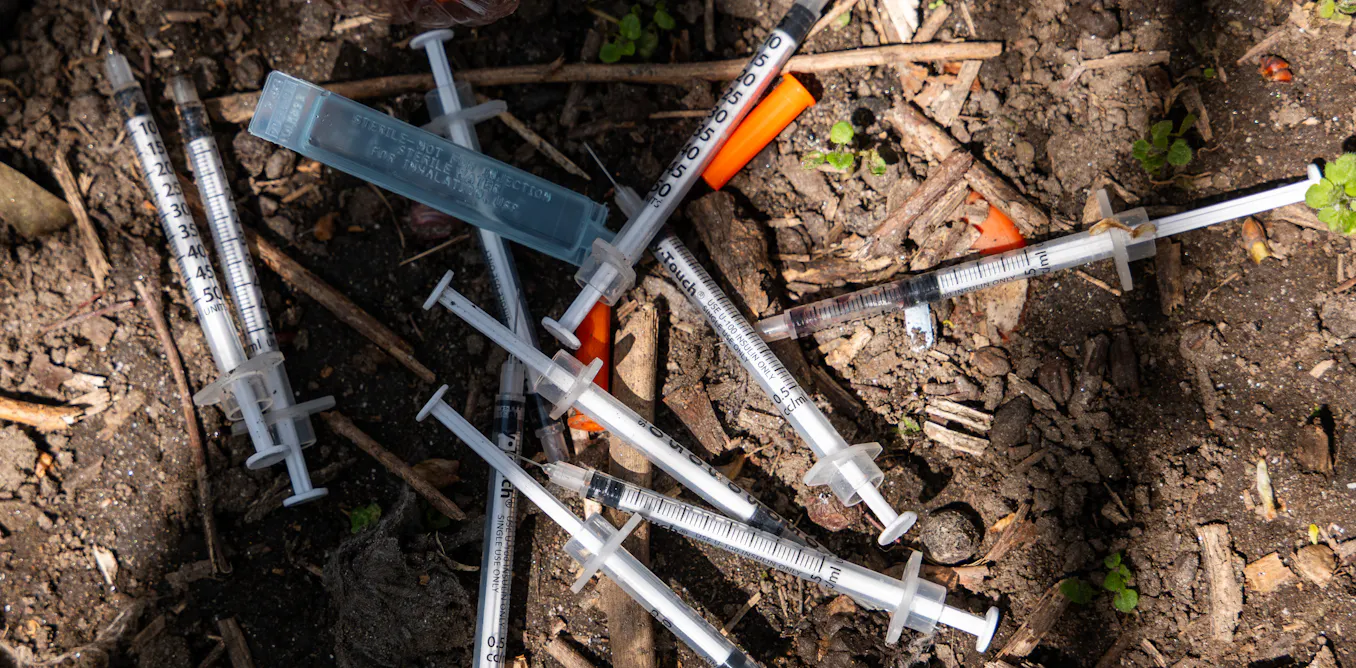
The Pueblo, Colorado City Council’s temporary ban on syringe distribution through local needle exchange programs in May 2024 did not lead to an increase in discarded needles in public spaces, according to a new study by public health researchers. However, the brief restriction disrupted access to critical harm reduction services, including overdose reversal medication and disease testing, raising concerns about the unintended consequences of such policies. The ban was overturned by a Pueblo District Court judge just three weeks later after the Colorado American Civil Liberties Union challenged its legality, ruling that it violated state law.
Needle exchanges, also known as syringe service programs, have operated in the U.S. since the 1980s, with over 400 programs now active nationwide. These programs provide clean syringes, collect used needles, distribute naloxone—a medication that reverses opioid overdoses—and connect participants to treatment, HIV and hepatitis C testing, and social services. In Colorado, needle exchanges were authorized by state legislation in 2010, with Pueblo’s two programs launching in 2014 and 2017.
Researchers from the study, which included epidemiologists and addiction medicine physicians, collaborated with local harm reduction leaders in Pueblo to assess the ban’s short- and long-term effects. Their analysis compared syringe distribution and litter data from one of the city’s needle exchanges and the Pueblo Department of Parks and Recreation, as well as visits and naloxone distribution.
During the three-week ban, syringe distribution dropped by about 2,400 units per week, while litter collection decreased by roughly 120 units weekly. After the ban was lifted, public syringe litter did not rebound despite a rise in distribution beyond pre-ban levels. This suggests pent-up demand for clean syringes or improved disposal practices, reinforcing evidence that needle exchanges play a role in reducing syringe litter.
However, the study found that naloxone distribution—critical for preventing overdose deaths—remained below expected levels for at least 20 weeks after the ban. If pre-ban trends had continued, researchers estimated that over 150 naloxone kits would have been distributed weekly. Instead, the average dropped to about 125 per week, resulting in an estimated 900 fewer kits distributed during the study period. Prior research indicates that one death is prevented for every 230 naloxone kits distributed, suggesting that the brief ban may have contributed to preventable overdose fatalities.
The disruption also led to fewer visits to needle exchange programs, limiting opportunities for participants to access treatment referrals, disease testing, and social services. These findings highlight how restrictions on harm reduction services can undermine broader public health efforts, even if they do not immediately increase syringe litter.
The Pueblo case reflects a broader trend across the U.S., where cities from California to West Virginia have reduced funding for syringe service programs. At the federal level, the Trump administration’s 2025 executive order prohibiting the use of federal funds to purchase syringes further threatens these programs, which rely on such support. Despite decreases in overdose deaths in recent years—largely due to evidence-based interventions like naloxone—policymakers continue to debate the effectiveness of harm reduction strategies.
The study underscores the importance of maintaining access to needle exchanges as a cornerstone of overdose prevention and public health.
#PuebloSyringeBan #NeedleExchange #OpioidCrisis #Naloxone #PublicHealth #HarmReduction #ColoradoHealth #DrugPolicy
Comments (0)
No comments yet — be the first to weigh in.

NASA Launches Nancy Grace Roman Telescope to Unlock Universe's Mysteries
NASA's new Nancy Grace Roman Space Telescope lifts off from Florida to study dark energy, exoplanets, and cosmic mysteries with unprecedented precision and scope.

Nature reserves spot rare species during heatwaves
Nature reserves in Hertfordshire and Middlesex have documented rare species this summer, with volunteers spotting wildlife not seen in decades and some even for...

Inmates at HMP La Moye craft boxes to save Jersey's hedgehogs
Prisoners at HMP La Moye have crafted nesting and feeding boxes to support Jersey's hedgehog population, boosting rehabilitation and community engagement.
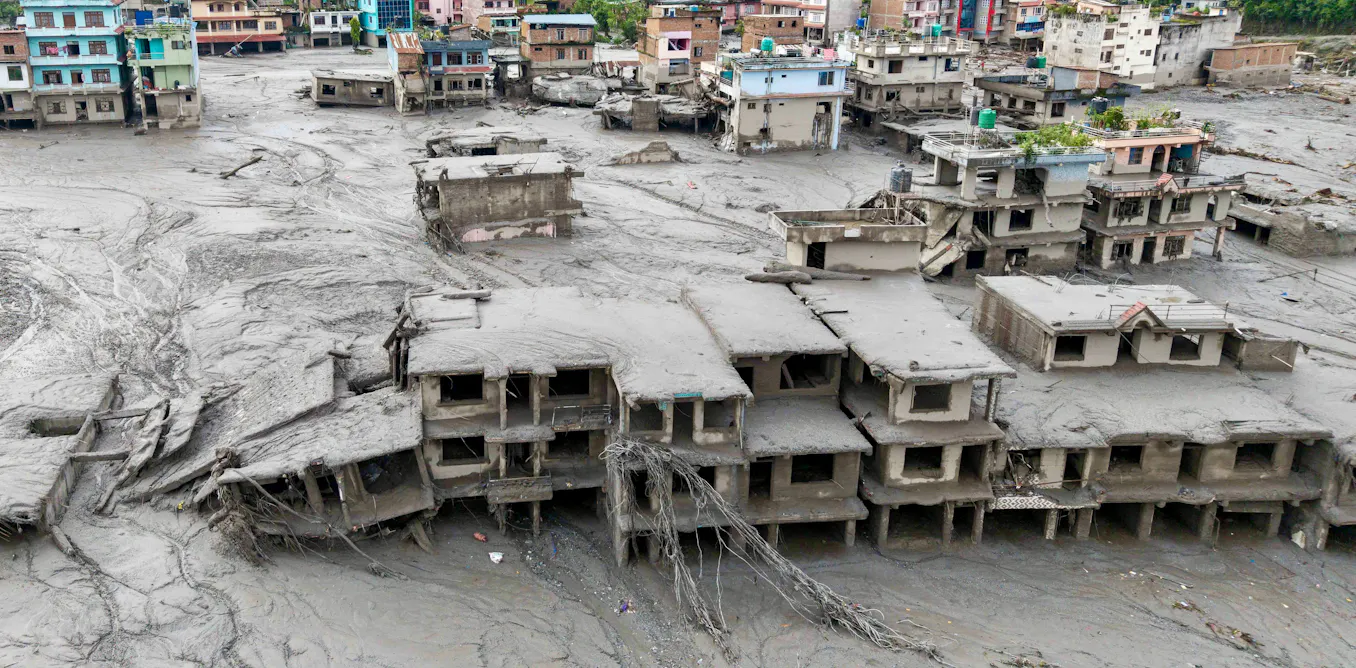
2026 Nepal Flood: Ice‑Rock Avalanche, Glacial Lake Outburst and Climate‑Change Risks
A massive ice‑rock avalanche triggered a catastrophic flood in Nepal on Aug. 26 2026, followed by a glacial lake outburst that devastated towns and hydropower plants. Climate‑change‑driven thawing increased the risk.

Mumbai’s Vile Parle Cypher is giving unheard rappers a voice

Enrich and Ultimo impress

Karnataka CM Signals Review of 5% Park Land Amendment Bill in Assembly

