Revolutionary War Mass Grave Discovery Sheds Light on Brutal Combat Realities
Archaeologists uncover a mass grave of Hessian soldiers from the 1777 Battle of Red Bank, revealing grim realities of Revolutionary War combat and challenging romanticized narratives of the conflict.
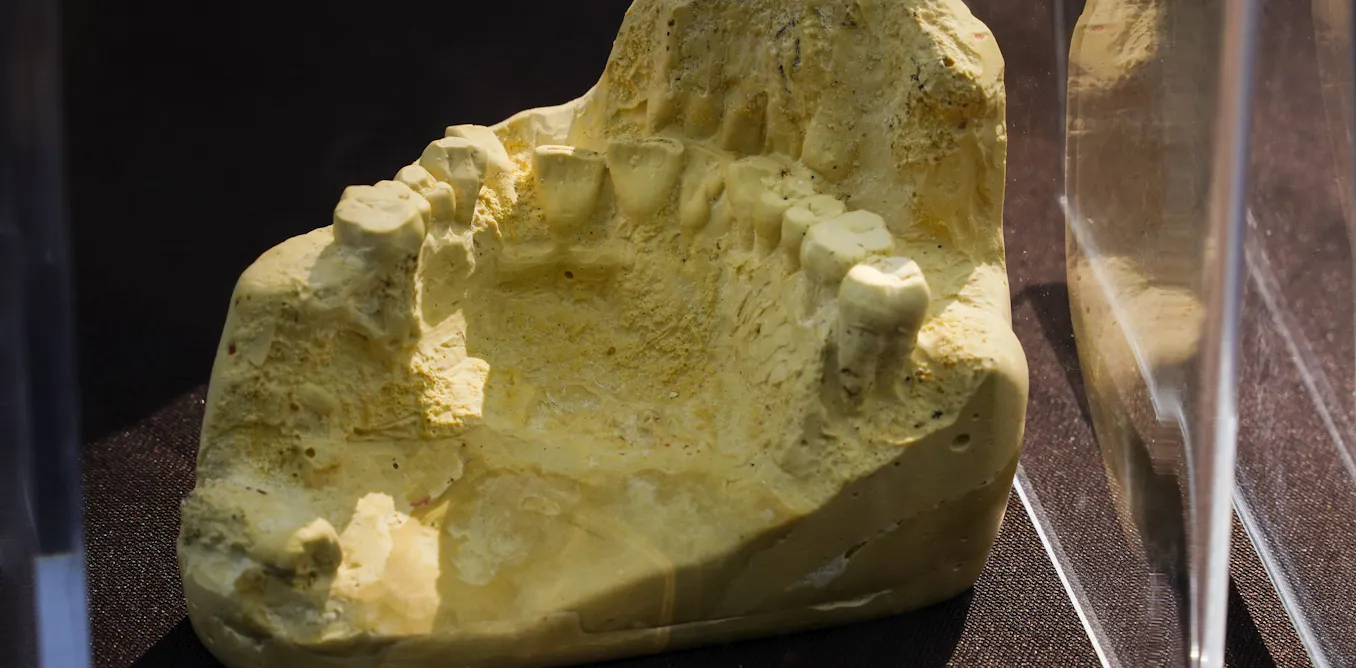
A mass grave containing the remains of 15 Hessian soldiers has been discovered at the Red Bank Battlefield Park in New Jersey, revealing the grim realities of Revolutionary War combat. The burial site, one of only a handful of its kind from the conflict, was uncovered during a public archaeology project in June 2022.
The Battle of Red Bank, fought on October 22, 1777, was a major patriot victory during the Philadelphia Campaign. Hessian forces, hired by the British, launched an assault on Fort Mercer, which protected Philadelphia from British supply lines on the Delaware River. Though outnumbered, American troops under Col. Christopher Greene repelled the attack, inflicting heavy casualties. According to historical records, 111 Hessians died in the battle, with many more succumbing to wounds in the following days.
The following morning, American soldiers buried the dead in a hastily dug trench near the fort. Sergeant John Smith of the Rhode Island regiments documented the grim task in his diary, noting that 75 Hessians were buried in a single grave. Additional remains were interred nearby.
The discovery of human remains at the site in 2022 was unexpected. Archaeologists and volunteers conducted a meticulous recovery effort over the summer, extracting fragmented skeletal remains, including craniums, jawbones, and femurs. Artifacts such as buttons, buckles, and musket balls confirmed the individuals were Hessian soldiers.
Forensic analysis revealed the trauma these men endured. One soldier, designated as Individual No. 7, showed signs of multiple gunshot wounds—a musket ball to the hip, a canister shot to the back, and grapeshot to the arm. Other injuries, including those from bar and chain shot, highlighted the brutal nature of the battle.
Further investigation into the soldiers’ origins provided additional context. Stable isotope analysis of their teeth suggested a European diet of wheat, barley, and oats, while ancient DNA studies indicated northwestern European ancestry. The soldiers likely spent their childhoods within a 30-mile radius of one another.
The project, which has garnered national and international attention, aims to identify at least one soldier by name. Funded in part by the National Endowment for the Humanities, the research has expanded to include experts in forensic anthropology and genetic analysis.
The discovery at Red Bank Battlefield Park challenges romanticized portrayals of the Revolutionary War, offering a stark reminder of its human cost. As America approaches its 250th anniversary, the findings prompt reflection on who is remembered—and who is forgotten—in narratives of war.
Located near Philadelphia International Airport, the park preserves both the battlefield and the Whitall House, which served as a field hospital after the conflict. The site remains a place of historical significance, blending recreation, nature, and remembrance.
Comments (0)
No comments yet — be the first to weigh in.

NASA Launches Nancy Grace Roman Telescope to Unlock Universe's Mysteries
NASA's new Nancy Grace Roman Space Telescope lifts off from Florida to study dark energy, exoplanets, and cosmic mysteries with unprecedented precision and scope.

Nature reserves spot rare species during heatwaves
Nature reserves in Hertfordshire and Middlesex have documented rare species this summer, with volunteers spotting wildlife not seen in decades and some even for...

Inmates at HMP La Moye craft boxes to save Jersey's hedgehogs
Prisoners at HMP La Moye have crafted nesting and feeding boxes to support Jersey's hedgehog population, boosting rehabilitation and community engagement.
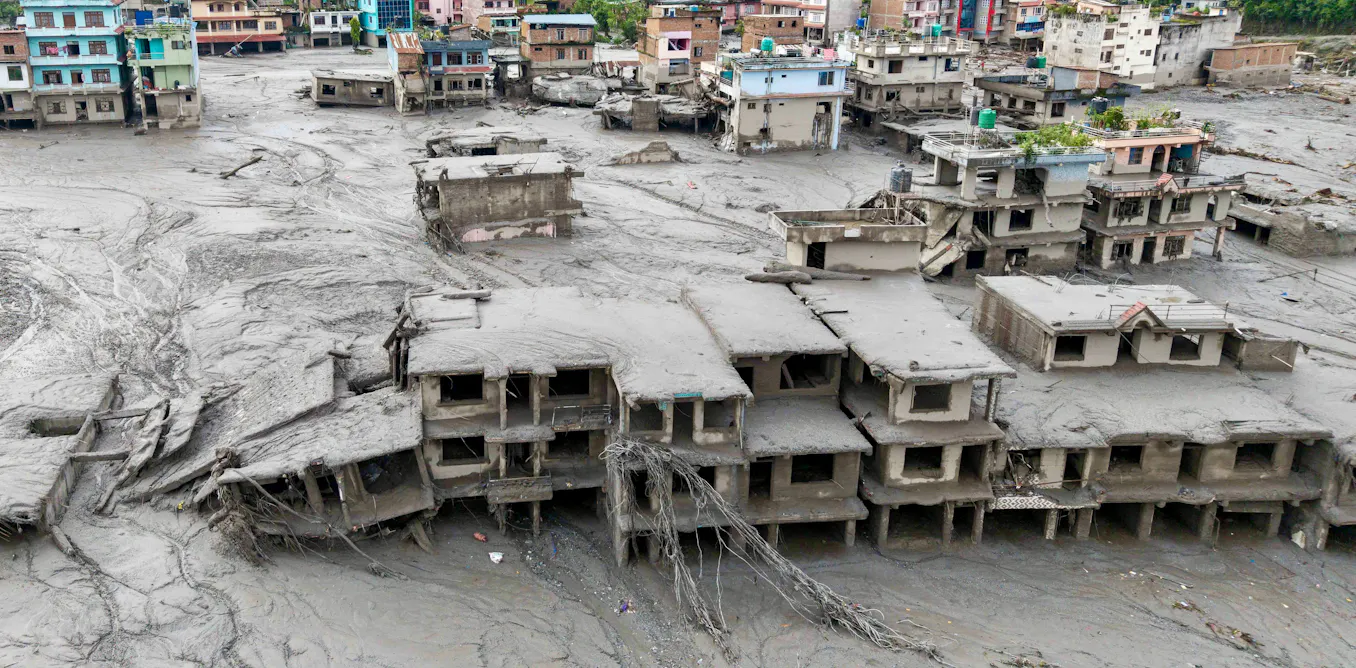
2026 Nepal Flood: Ice‑Rock Avalanche, Glacial Lake Outburst and Climate‑Change Risks
A massive ice‑rock avalanche triggered a catastrophic flood in Nepal on Aug. 26 2026, followed by a glacial lake outburst that devastated towns and hydropower plants. Climate‑change‑driven thawing increased the risk.

Mumbai’s Vile Parle Cypher is giving unheard rappers a voice

Enrich and Ultimo impress

Karnataka CM Signals Review of 5% Park Land Amendment Bill in Assembly

