Study reveals Galápagos corals show escalating El Niño intensity over past millennium
Research using coral records from the Galápagos Islands indicates modern El Niño events are the strongest in at least 1,000 years, aligning with human-caused global warming trends.
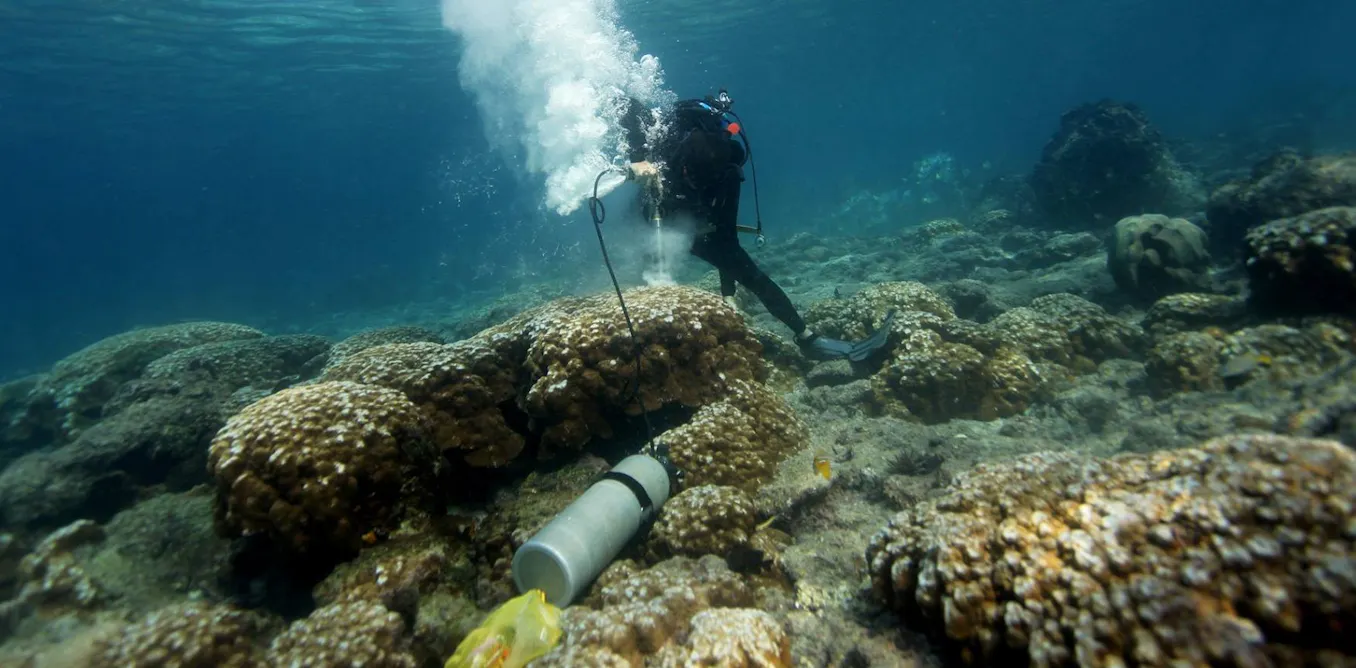
Scientists have found that El Niño events over the past 40 years have been stronger than at any time in the past millennium, according to new research published in the journal Science. The study, led by a team of researchers including geochemist Gloria Jimenez, used coral records from the Galápagos Islands to reconstruct the history of El Niño events.
El Niño is a climate phenomenon that originates in the eastern tropical Pacific Ocean, near the Galápagos Islands, where shifting trade winds cause unusually warm surface water. This alters global weather patterns, leading to extreme events such as floods, droughts, and tropical storms. The 1982-83 and 1997-98 El Niños were among the strongest in recent memory, causing widespread damage and economic losses.
However, historical records of El Niño are limited, with reliable observations only dating back a few decades. To extend the record further, researchers turned to corals, which grow by adding skeletal layers of calcium carbonate that preserve chemical traces of ocean temperatures. By analyzing cores from living and fossil corals in the Galápagos, the team reconstructed El Niño’s behavior over the past 1,000 years.
The coral records revealed that El Niño events in recent decades have been unusually intense. The strongest period of activity occurred from 1980 to 2020, with temperatures and impacts surpassing those of any comparable period in the last millennium. The study also found that this intensification aligns with human-caused global warming, suggesting a connection between rising temperatures and stronger El Niño events.
Lead researcher Gloria Jimenez stated that the findings indicate modern El Niño events may be harbingers of even more extreme weather in the future as the planet continues to warm. The study’s authors noted that while not all climate models predict a strengthening of El Niño with warming, their data supports the idea that recent trends exceed natural variability.
The research highlights the importance of long-term climate monitoring and improved forecasting to prepare for the growing risks posed by El Niño. Scientists currently can predict El Niño up to a year in advance using satellite and buoy data, but continued investment in climate science will be crucial as global warming accelerates.
The study underscores the need for global action to mitigate climate change and adapt to its impacts, particularly in vulnerable regions affected by El Niño’s extreme weather.
Comments (0)
No comments yet — be the first to weigh in.

NASA Launches Nancy Grace Roman Telescope to Unlock Universe's Mysteries
NASA's new Nancy Grace Roman Space Telescope lifts off from Florida to study dark energy, exoplanets, and cosmic mysteries with unprecedented precision and scope.

Nature reserves spot rare species during heatwaves
Nature reserves in Hertfordshire and Middlesex have documented rare species this summer, with volunteers spotting wildlife not seen in decades and some even for...

Inmates at HMP La Moye craft boxes to save Jersey's hedgehogs
Prisoners at HMP La Moye have crafted nesting and feeding boxes to support Jersey's hedgehog population, boosting rehabilitation and community engagement.

2026 Nepal Flood: Ice‑Rock Avalanche, Glacial Lake Outburst and Climate‑Change Risks
A massive ice‑rock avalanche triggered a catastrophic flood in Nepal on Aug. 26 2026, followed by a glacial lake outburst that devastated towns and hydropower plants. Climate‑change‑driven thawing increased the risk.

Mumbai’s Vile Parle Cypher is giving unheard rappers a voice

Enrich and Ultimo impress

Karnataka CM Signals Review of 5% Park Land Amendment Bill in Assembly

