Trump Administration’s Plan to Rescind Roadless Rule Faces Major Legal Hurdles
The Trump administration’s proposal to rescind the 2001 Roadless Rule, which protects 58M acres of U.S. national forests, faces strong legal, environmental, and public opposition amid concerns over wildfire risks and ecological damage.
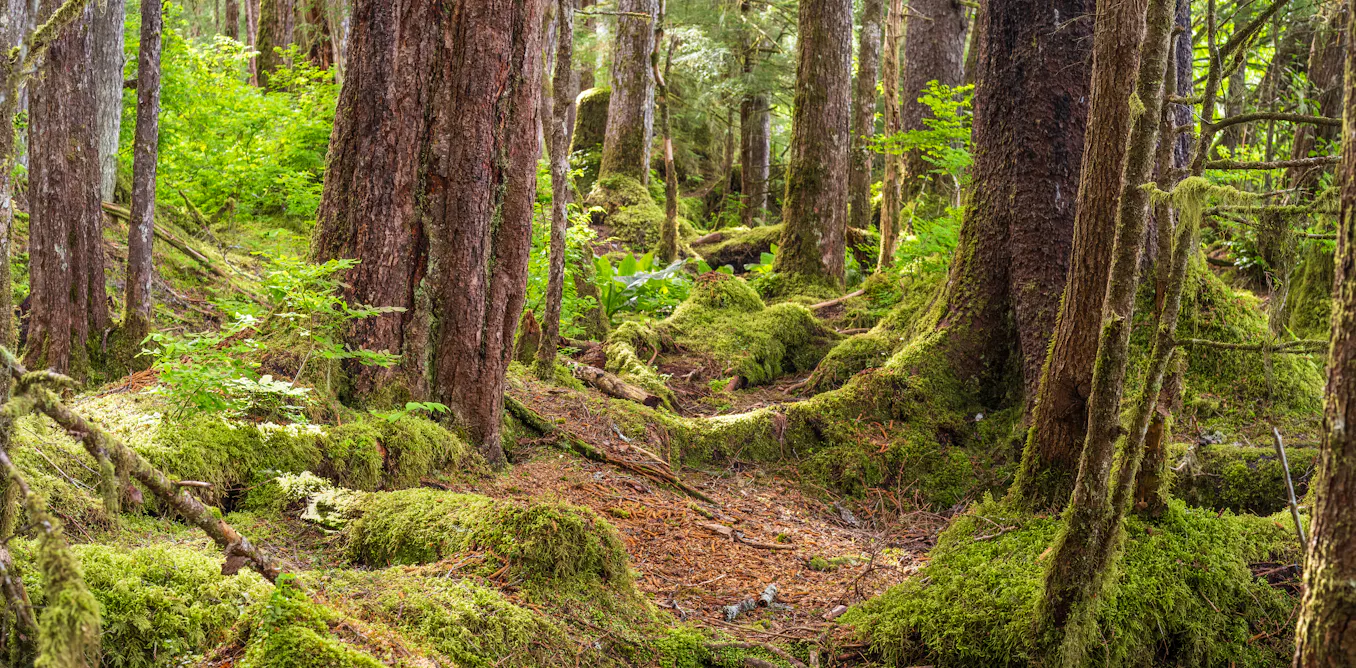
The Trump administration’s proposal to rescind the 2001 Roadless Rule, which protects vast stretches of national forests from roadbuilding and logging, is facing strong legal and public opposition. The rule currently safeguards over 58 million acres—about 30% of U.S. national forests—from development, preserving critical wildlife habitats, clean water sources, and carbon storage. Agriculture Secretary Brooke Rollins has framed the plan as necessary for wildfire management, but research shows roads actually increase fire risks by enabling human activity and invasive species. Legal experts, including the scholar who successfully defended the rule in 2002, warn the administration will struggle to justify the reversal in court.
Under the Roadless Rule, established in 2001 under President Bill Clinton, activities like road construction, commercial logging, and mining are prohibited in protected areas, though fire management and pest control remain allowed. These undisturbed forests provide vital habitats for endangered species such as grizzly bears, wolves, and Pacific salmon, while also supplying clean drinking water to 25 million Americans. The Forest Service has warned that maintaining the existing 368,000 miles of roads in national forests already costs billions, with a backlog exceeding $6.9 billion as of 2024.
The administration’s attempt to roll back the rule follows a 30-day public comment period that ends September 21, 2026, amid widespread opposition. Conservation groups, including the Alliance of Sovereign Tribes of Southeast Alaska, have vowed to challenge the proposal in court. Legal precedent suggests the administration’s case is weak: a 2001 lawsuit led by the timber industry, tribes, and local governments failed to overturn the rule, with courts affirming the government’s duty to consider public input and environmental impacts thoroughly.
Key legal vulnerabilities in the current proposal include a rushed and opaque environmental review process, inadequate analysis of alternative solutions, and failure to consult Indigenous tribes—a likely violation of federal trust obligations. The draft environmental impact statement, at 240 pages, lacks meaningful alternatives and omits critical considerations such as endangered species impacts and water supply risks. Economic projections also ignore the long-term costs of building and maintaining new roads in remote areas.
Legal scholars point out that courts have repeatedly rejected attempts to reverse long-standing conservation policies without compelling evidence. The administration’s argument that it can unilaterally change public lands policy conflicts with NEPA requirements and judicial precedents emphasizing due process and scientific rigor. With nearly 80% of human-caused wildfires starting near roads, opening protected areas to logging could further escalate fire risks by removing fire-resistant trees and increasing fuel loads.
Environmental advocates warn that rescinding the Roadless Rule would not only accelerate habitat destruction and climate pollution but also saddle the Forest Service with an unmanageable maintenance burden. If the administration proceeds, legal challenges are expected to mount swiftly, drawing on decades of precedent affirming the rule’s legitimacy and the government’s responsibility to protect public lands.
#RoadlessRule #NationalForests #ForestService #TrumpAdministration #WildfirePrevention #EnvironmentalLaw #Conservation #TongassNationalForest
Comments (0)
No comments yet — be the first to weigh in.

NASA Launches Nancy Grace Roman Telescope to Unlock Universe's Mysteries
NASA's new Nancy Grace Roman Space Telescope lifts off from Florida to study dark energy, exoplanets, and cosmic mysteries with unprecedented precision and scope.

Nature reserves spot rare species during heatwaves
Nature reserves in Hertfordshire and Middlesex have documented rare species this summer, with volunteers spotting wildlife not seen in decades and some even for...

Inmates at HMP La Moye craft boxes to save Jersey's hedgehogs
Prisoners at HMP La Moye have crafted nesting and feeding boxes to support Jersey's hedgehog population, boosting rehabilitation and community engagement.

2026 Nepal Flood: Ice‑Rock Avalanche, Glacial Lake Outburst and Climate‑Change Risks
A massive ice‑rock avalanche triggered a catastrophic flood in Nepal on Aug. 26 2026, followed by a glacial lake outburst that devastated towns and hydropower plants. Climate‑change‑driven thawing increased the risk.

Mumbai’s Vile Parle Cypher is giving unheard rappers a voice

Enrich and Ultimo impress

Karnataka CM Signals Review of 5% Park Land Amendment Bill in Assembly

