US Removes Syria from Terrorism Sponsor List: Risks, Rewards, and Strategic Shift
The US has delisted Syria as a state sponsor of terrorism, lifting sanctions and opening investment opportunities. This move reflects a strategic shift but introduces risks tied to al-Qaida-linked leadership.
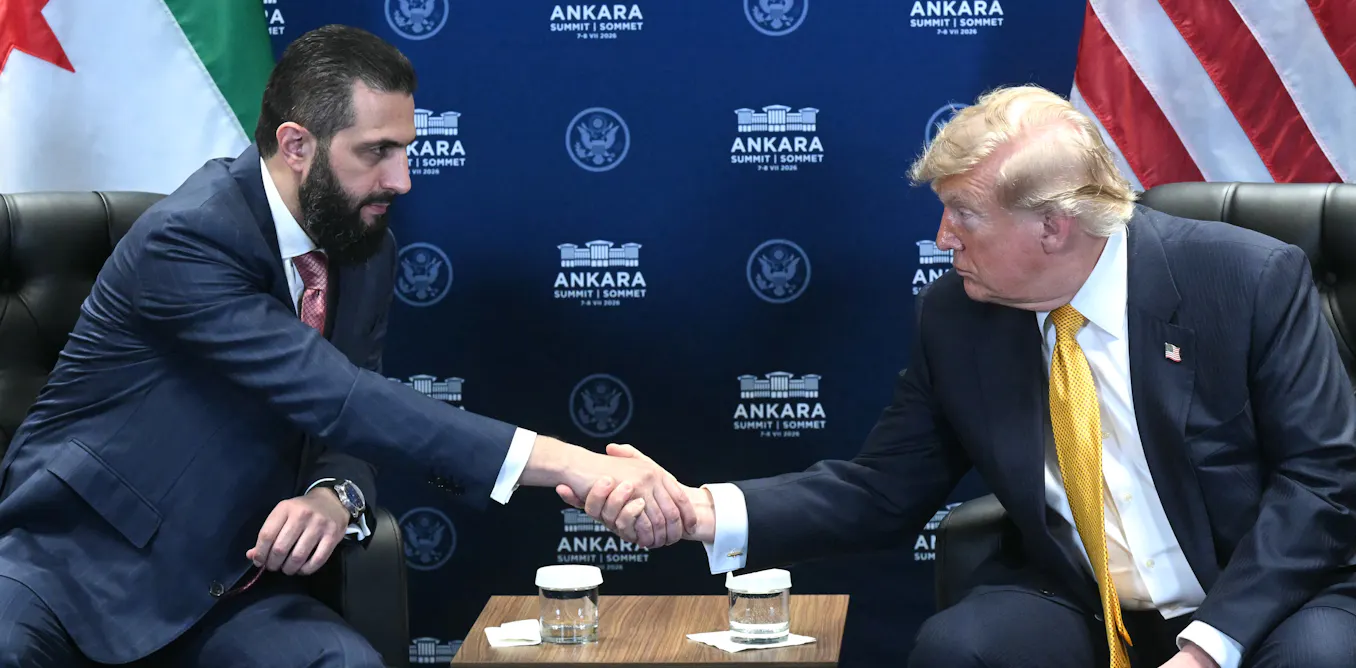
The United States has removed Syria from its list of state sponsors of terrorism, a move announced by Secretary of State Marco Rubio on August 24, 2026. The decision ends Syria’s decades-long status as the only nation continuously listed since the U.S. State Department created the designation in 1979 under the Export Administration Act. The delisting removes major legal and financial barriers to American investment in Syria while signaling a strategic shift in Washington’s approach to Damascus.
The decision hinges on the transformation of Syrian President Ahmed al-Sharaa, who was once a designated terrorist before being removed from that list in November 2025. Al-Sharaa, previously known as Muhammad al-Jawlani, led the Nusra Front, al-Qaida’s Syrian affiliate, before breaking with the group in 2016. His government now includes former militants in key security roles, including Interior Minister Anas Khattab, a co-founder of the Nusra Front. The U.S. is wagering that this faction can collaborate on counterterrorism and economic development despite the risks posed by entrenched extremist networks.
Syria’s history on the terrorism list reflects its long-standing ties to militant groups. Under Hafez al-Assad, Damascus hosted Palestinian factions such as the Popular Front for the Liberation of Palestine General Command and Palestinian Islamic Jihad. His son, Bashar al-Assad, who assumed power in 2000, maintained these alliances while allowing Iranian-backed weapons shipments to Hezbollah in Lebanon. The Syrian civil war, which began in 2011, reshaped the country’s political landscape, leading to the rise of al-Sharaa’s Nusra Front and the subsequent formation of Hay’at Tahrir al-Sham, the group that now underpins Syria’s security apparatus.
Critics warn of significant risks. The International Crisis Group estimates 5,000 foreign fighters remain embedded in Syrian state forces, raising concerns that hardliners could defect to the Islamic State group or other jihadist organizations. The Soufan Center and West Point’s Combating Terrorism Center have both highlighted the potential for instability, with some former jihadists publicly denouncing al-Sharaa as a traitor. The process to reimpose sanctions is cumbersome, requiring evidence of repeated state sponsorship of terrorism—a high legal bar that may leave sanctions relief in place indefinitely.
Supporters of the decision argue that delisting Syria weakens Russia’s influence in the region. Since the 1970s, Syria’s alliance with Moscow has granted Russia military bases at Tartus and Khmeimim, its only Mediterranean outposts. By improving ties with Washington, Damascus could reduce its dependence on Moscow, though Russia still maintains a military presence. The Trump administration’s move also aims to isolate Iran, which had significant influence under the Assad regime, and to formalize Syria’s cooperation against the Islamic State group, which al-Sharaa’s forces have fought since their 2013 split.
Domestically, the policy shift carries potential liabilities. Images of President Trump with al-Sharaa in Riyadh and the Oval Office could undermine U.S. credibility if Syria fails to meet expectations. Past abuses under al-Sharaa’s government, including attacks on Alawite and Druze civilians in 2025, raise further concerns. However, the delisting lifts long-standing restrictions, including bans on defense exports and financial controls, paving the way for economic engagement. Syria’s inclusion in the anti-Islamic State coalition in late 2025 underscores its evolving role in regional security.
For Syria, the benefits are clear. The removal of the terrorism designation ends a legal and financial stigma that had isolated the country for nearly 50 years. While the risks of extremist infiltration remain, the U.S. bet on al-Sharaa’s government represents a calculated gamble with potential rewards for regional stability.
#SyriaDelisted #StateSponsorOfTerrorism #AhmedAlSharaa #MarcoRubio #Counterterrorism #HayatTahrirAlSham #U.S.ForeignPolicy #MiddleEast
Comments (0)
No comments yet — be the first to weigh in.

NASA Launches Nancy Grace Roman Telescope to Unlock Universe's Mysteries
NASA's new Nancy Grace Roman Space Telescope lifts off from Florida to study dark energy, exoplanets, and cosmic mysteries with unprecedented precision and scope.

Nature reserves spot rare species during heatwaves
Nature reserves in Hertfordshire and Middlesex have documented rare species this summer, with volunteers spotting wildlife not seen in decades and some even for...

Inmates at HMP La Moye craft boxes to save Jersey's hedgehogs
Prisoners at HMP La Moye have crafted nesting and feeding boxes to support Jersey's hedgehog population, boosting rehabilitation and community engagement.
2026 Nepal Flood: Ice‑Rock Avalanche, Glacial Lake Outburst and Climate‑Change Risks
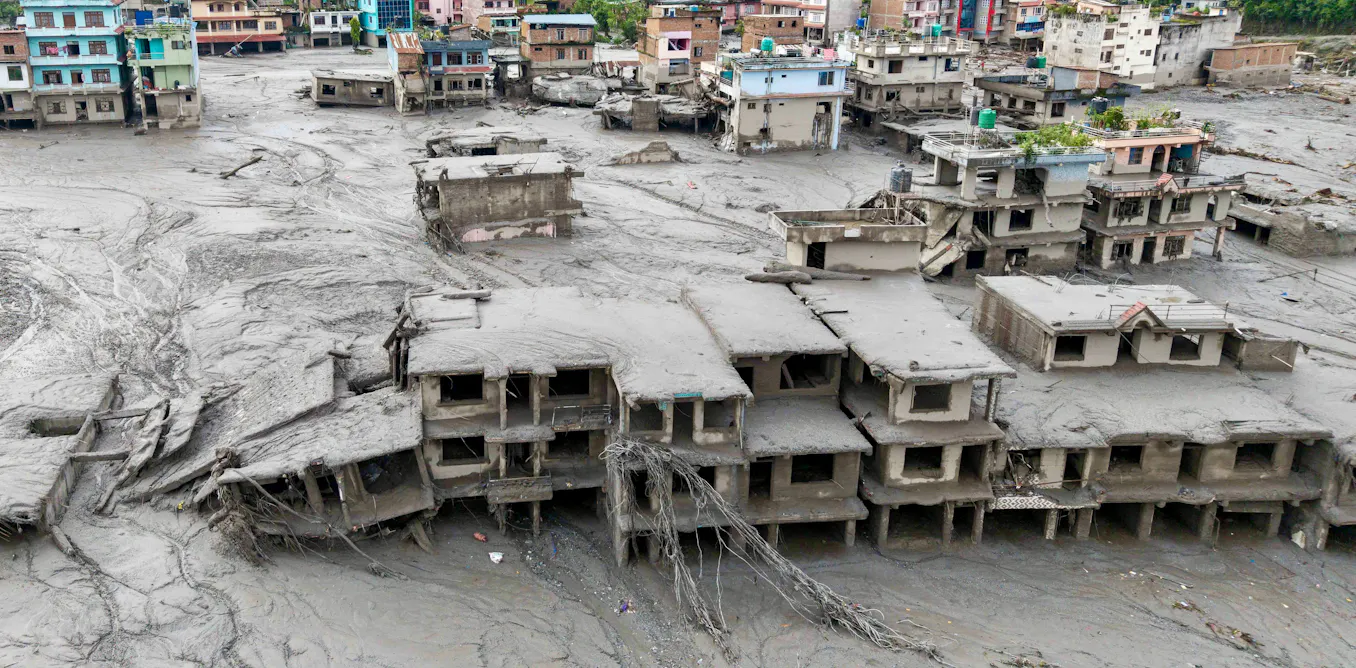
A massive ice‑rock avalanche triggered a catastrophic flood in Nepal on Aug. 26 2026, followed by a glacial lake outburst that devastated towns and hydropower plants. Climate‑change‑driven thawing increased the risk.

Mumbai’s Vile Parle Cypher is giving unheard rappers a voice

Enrich and Ultimo impress

Karnataka CM Signals Review of 5% Park Land Amendment Bill in Assembly

