Why French officials placed a Muslim war memorial in the intellectual heart of Paris in the 20th century
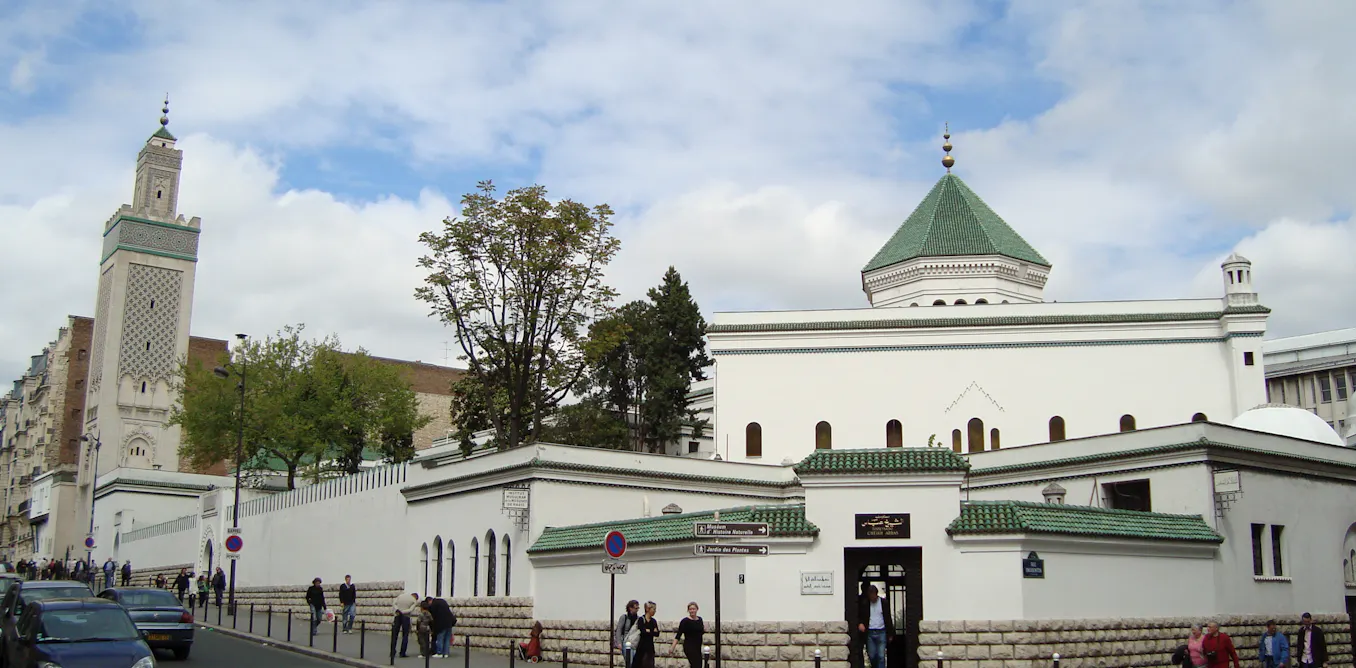
The Paris Grand Mosque, a historic Islamic cultural landmark in central Paris, is marking its centenary this year. Constructed as a war memorial to honor the Muslim soldiers who perished during World War I, it stands as the French capital's first permanent mosque, distinguished by its minaret and dome. The mosque's origins reflect the complex politics of colonialism in interwar Paris. Over 500,000 soldiers from France's empire, including regions in North Africa, West Africa, and Southeast Asia, fought for France between 1914 and 1918. Muslims comprised about 70% of the 100,000 colonial troops killed in battle. In recognition of their sacrifices, French officials pursued initiatives to establish a permanent Islamic place of worship in Paris.
During the war, a temporary mosque known as the Nogent Mosque was established in 1916 at a converted colonial agronomy school on the outskirts of Paris. This facility served Muslim soldiers receiving treatment at a nearby hospital. Though intended as a temporary measure, it laid the groundwork for the Grand Mosque's construction. By 1920, plans were underway with support from the French government and colonial administrations in Africa. The Society of Habous and Sacred Lands of Islam, founded in 1917 to assist North African Muslims with pilgrimages to Mecca and Medina, took the lead in building and managing the new mosque and its attached educational institute.
French politicians supported the project for several reasons. It provided a way to recognize Muslim soldiers while maintaining the appearance of religious neutrality, as mandated by the 1905 law separating church and state. To comply with this law, the French government provided 500,000 francs to the Society of Habous for construction costs, avoiding direct funding of a religious institution. The chosen site for the Grand Mosque was in the Latin Quarter, an area known for its intellectual vibrancy and proximity to the Sorbonne, France's oldest and most prestigious university.
The mosque's location was not merely practical but also symbolic. French officials claimed it demonstrated France's deep respect for Islam. A book published after the mosque's inauguration by civil servant René Weiss argued that Muslims visiting Paris would benefit from the "benevolent virtues of French civilization" through its central location. The mosque, completed between 1922 and 1926, served multiple functions, housing a prayer room, library, hammam (public bath), hostel, and restaurant. It was designed to be both a religious and secular space, open to Muslims, Parisians, and tourists alike.
Despite official descriptions of the Grand Mosque as a war memorial, the recognition of Muslim soldiers' sacrifices was not prominently displayed. In 1921, Albert Sarraut, the minister of colonies, referred to the mosque as a symbol of "Franco-Muslim fraternity," while Paris municipal councilor Paul Fleurot, speaking at the groundbreaking ceremony in 1922, described it as a "commemorative monument" for the Muslim soldiers who died for France. However, the mosque's history marker does not mention World War I, and no list of soldiers' names is on display, unlike many other postwar commemorative sites.
The mosque's role as a war memorial became more explicit in 2014 when French President François Hollande dedicated two wall plaques inside the Grand Mosque, recognizing the Muslim soldiers who fought for France in both world wars. One hundred years after its inauguration, the Grand Mosque of Paris remains a testament to the intertwined histories of Islam, colonialism, and French society.
#ParisGrandMosque #WorldWarI #ColonialHistory #IslamInFrance #LatinQuarter #Sorbonne #FrenchColonialism
Comments (0)
No comments yet — be the first to weigh in.

NASA Launches Nancy Grace Roman Telescope to Unlock Universe's Mysteries
NASA's new Nancy Grace Roman Space Telescope lifts off from Florida to study dark energy, exoplanets, and cosmic mysteries with unprecedented precision and scope.

Nature reserves spot rare species during heatwaves
Nature reserves in Hertfordshire and Middlesex have documented rare species this summer, with volunteers spotting wildlife not seen in decades and some even for...

Inmates at HMP La Moye craft boxes to save Jersey's hedgehogs
Prisoners at HMP La Moye have crafted nesting and feeding boxes to support Jersey's hedgehog population, boosting rehabilitation and community engagement.
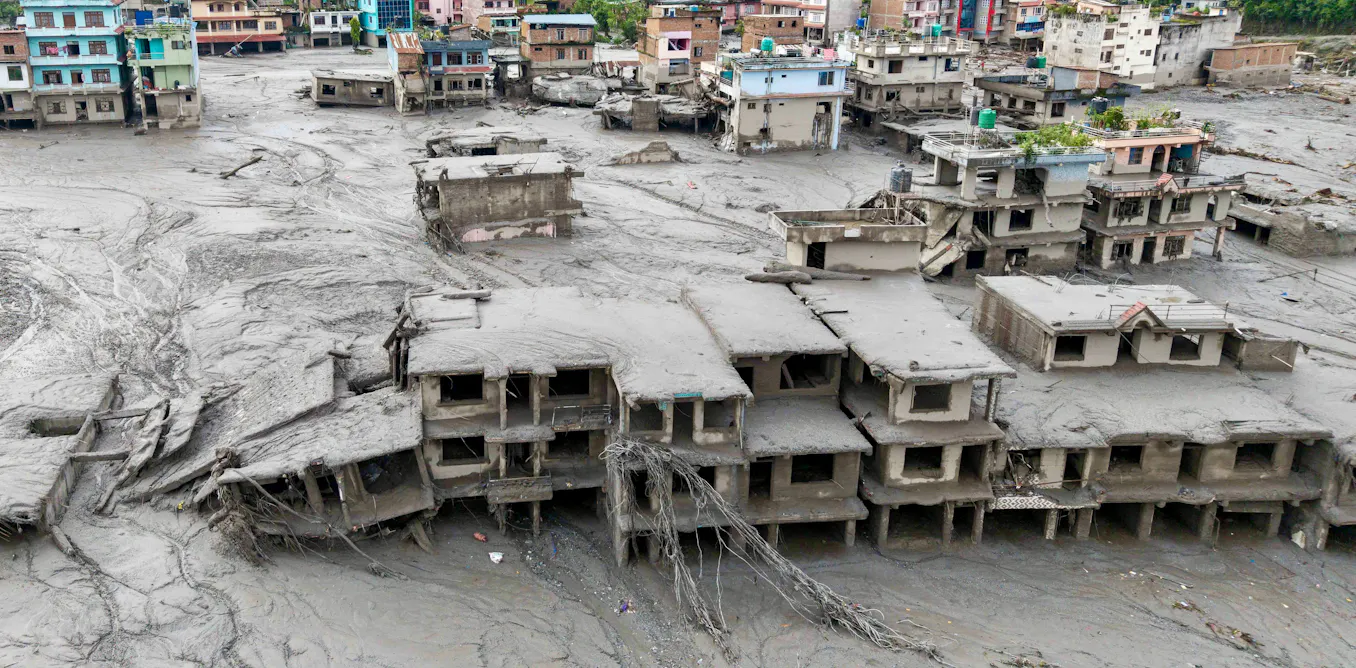
2026 Nepal Flood: Ice‑Rock Avalanche, Glacial Lake Outburst and Climate‑Change Risks
A massive ice‑rock avalanche triggered a catastrophic flood in Nepal on Aug. 26 2026, followed by a glacial lake outburst that devastated towns and hydropower plants. Climate‑change‑driven thawing increased the risk.

Mumbai’s Vile Parle Cypher is giving unheard rappers a voice

Enrich and Ultimo impress

Karnataka CM Signals Review of 5% Park Land Amendment Bill in Assembly

