Why the US-Canada trade war could change how American farmers grow their crops for years
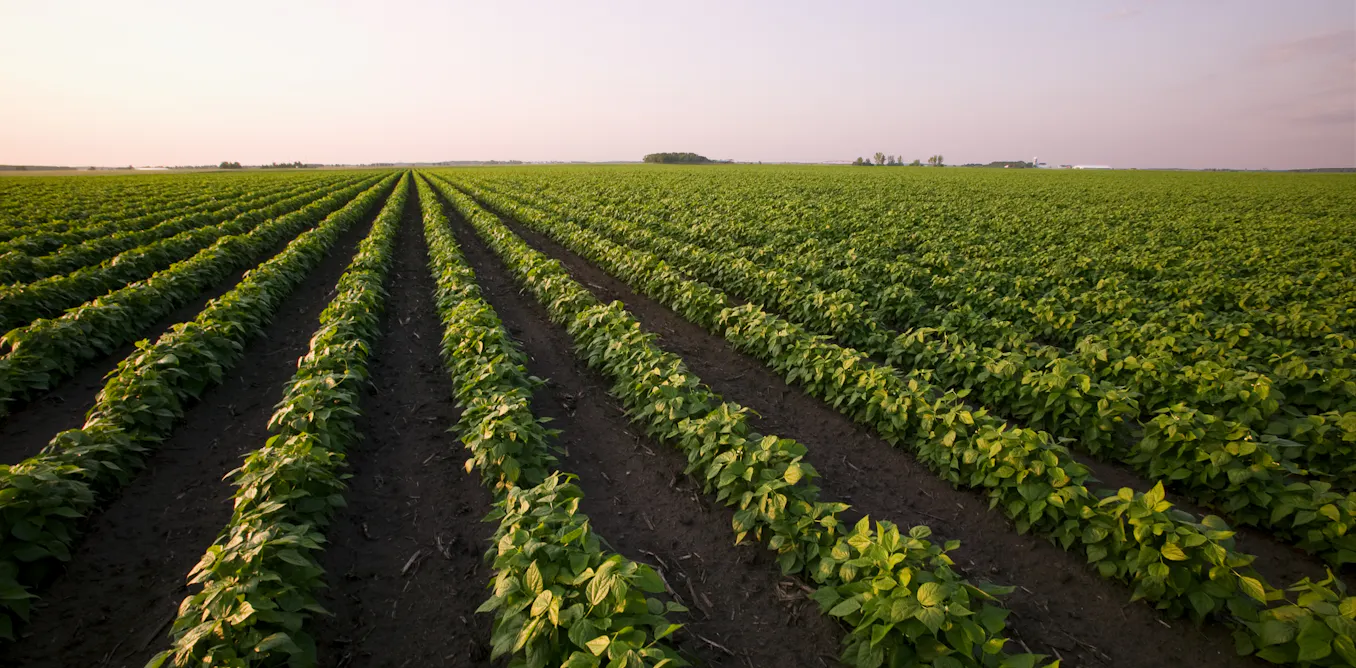
The escalating trade war between the United States and Canada is poised to have long-term repercussions for American farmers, particularly in their crop production strategies. Tensions flared in mid-August 2026 when U.S. President Donald Trump imposed a 50% tariff on approximately $20 billion (CAD$27 billion) worth of Canadian imports. In retaliation, Canada announced plans to impose 15% to 50% tariffs on U.S. goods of equal value, effective September 8, 2026. The dispute, which follows decades of close trade ties between the two nations, has raised concerns about its impact on agricultural sectors in both countries.
The Canadian tariffs target dairy products and agricultural equipment, among other goods. However, the broader agricultural industry, including U.S. farmers, may face indirect consequences. One critical concern is the potential restriction of potash, a key fertilizer ingredient primarily sourced from Canada’s Elk Point Basin in Saskatchewan. The U.S. relies on imports for over 80% of its potash, and disruptions could significantly affect crop yields. While potash was not initially included in the U.S. tariffs, any retaliatory measures by Canada could lead to higher fertilizer costs for American growers.
Fertilizer prices were already elevated due to supply disruptions caused by the war in Iran, which affected nitrogen fertilizer shipments. A survey by the American Farm Bureau in April 2026 found that 70% of farmers could not afford sufficient fertilizer during spring planting. This economic strain has forced farmers to make difficult decisions about nutrient application. Phosphorus and potassium reserves can temporarily offset higher costs, but restoring these reserves is a slow process, requiring years of careful management.
Trade policy uncertainty is another factor influencing farmers’ decisions. Research indicates that unpredictable trade policies can lead to delayed purchases and reduced fertilizer application, even before tariffs take effect. This hesitation may result in lower yields in subsequent growing seasons, ultimately impacting food prices for consumers.
The interconnected nature of North American agricultural trade means that disruptions in one country can reverberate across the supply chain. Both the U.S. and Canada are major importers and exporters of agricultural products, including live cattle, processed foods, and farm equipment. Tariffs targeting these goods could drive up costs, affecting farmers on both sides of the border.
While the immediate effects of the tariffs may not be fully visible, the long-term impact on agriculture could be substantial. Farmers may need to adjust their crop management strategies, potentially leading to smaller harvests and higher food prices in the future. The outcome of this trade dispute remains uncertain, but its effects on the agricultural sector are likely to be felt for years to come.
#TradeWar #Agriculture #USCanada #Farmers #Fertilizer #Potash #CropYields #FoodPrices
Comments (0)
No comments yet — be the first to weigh in.

NASA Launches Nancy Grace Roman Telescope to Unlock Universe's Mysteries
NASA's new Nancy Grace Roman Space Telescope lifts off from Florida to study dark energy, exoplanets, and cosmic mysteries with unprecedented precision and scope.

Nature reserves spot rare species during heatwaves
Nature reserves in Hertfordshire and Middlesex have documented rare species this summer, with volunteers spotting wildlife not seen in decades and some even for...

Inmates at HMP La Moye craft boxes to save Jersey's hedgehogs
Prisoners at HMP La Moye have crafted nesting and feeding boxes to support Jersey's hedgehog population, boosting rehabilitation and community engagement.
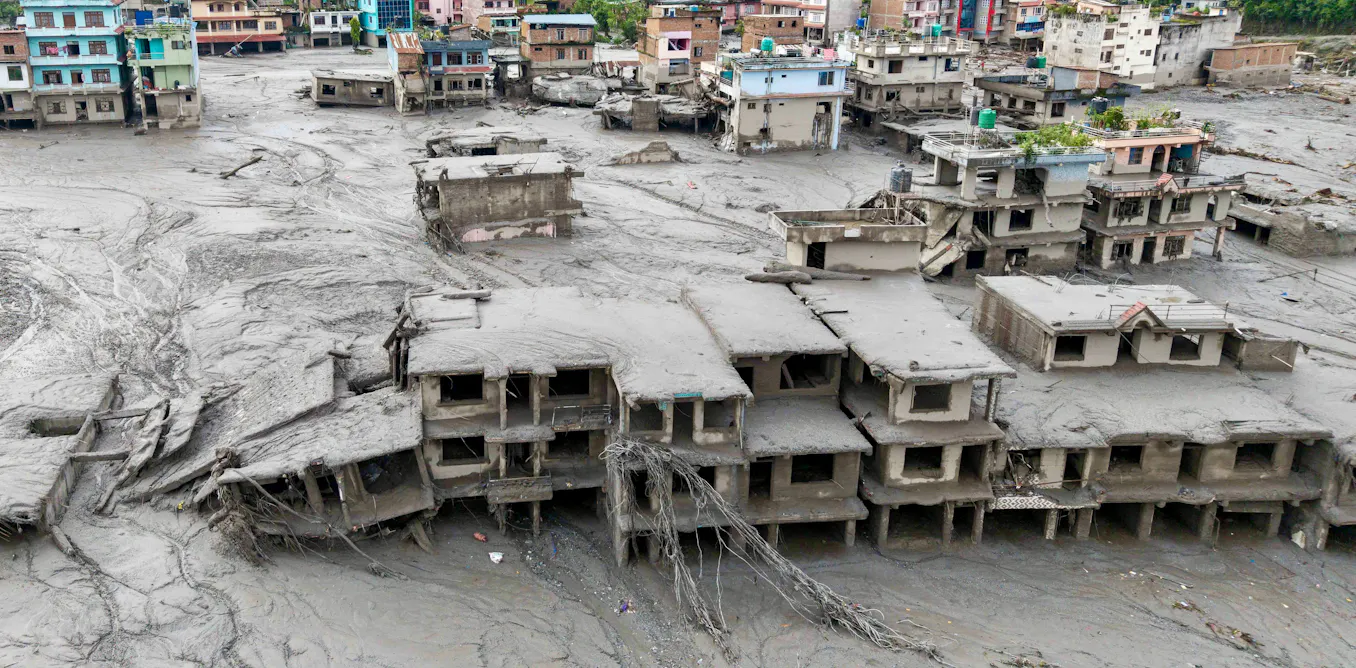
2026 Nepal Flood: Ice‑Rock Avalanche, Glacial Lake Outburst and Climate‑Change Risks
A massive ice‑rock avalanche triggered a catastrophic flood in Nepal on Aug. 26 2026, followed by a glacial lake outburst that devastated towns and hydropower plants. Climate‑change‑driven thawing increased the risk.

Mumbai’s Vile Parle Cypher is giving unheard rappers a voice

Enrich and Ultimo impress

Karnataka CM Signals Review of 5% Park Land Amendment Bill in Assembly

