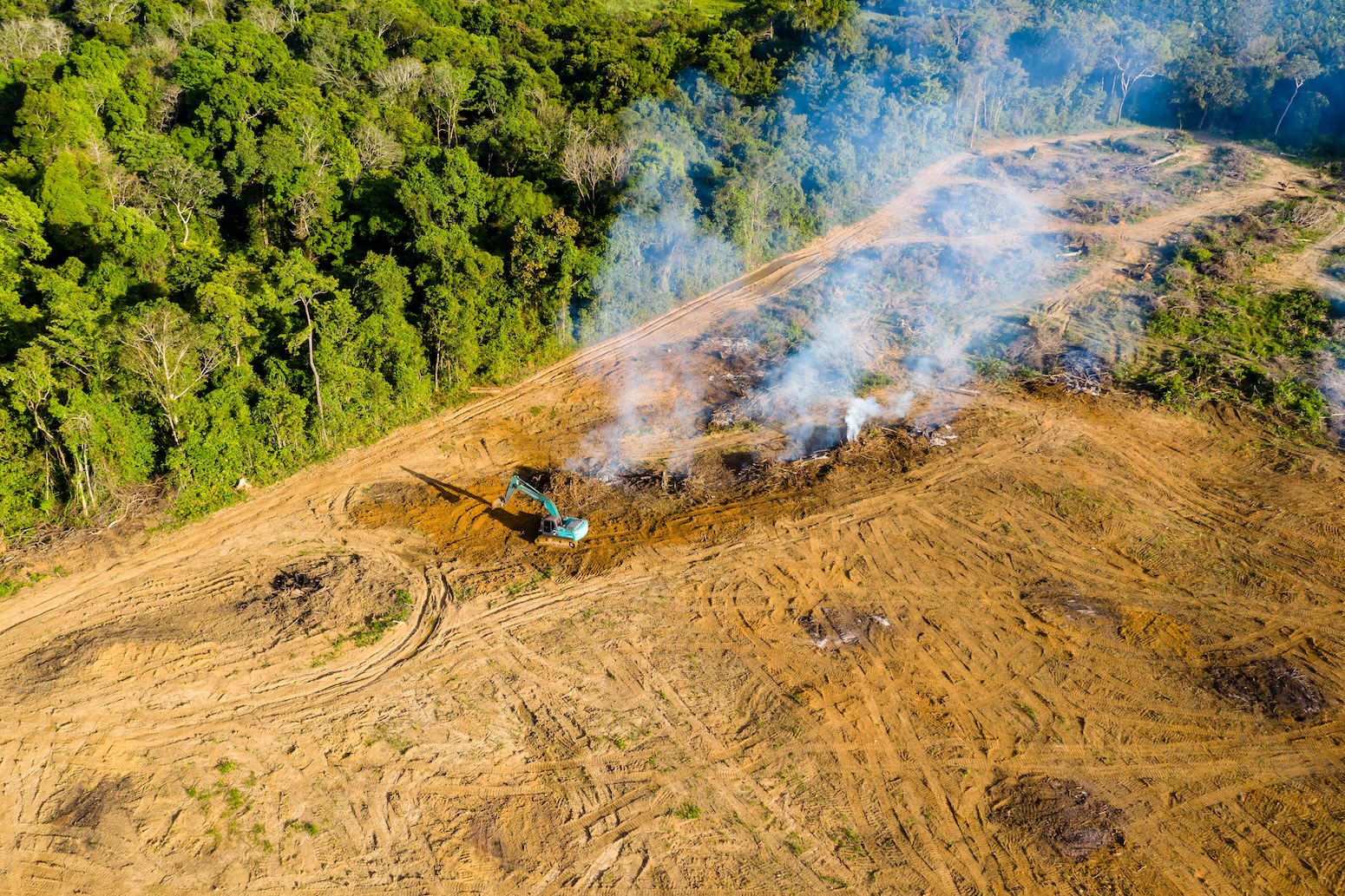
Why Land Restoration is Key to Climate Resilience and Food Security
Land degradation affects 3.2 billion people. Learn how UNEP's restoration initiatives, like the Great Green Wall, combat desertification and strengthen climate resilience globally.
Indonesia’s 40% nickel production cuts aim to boost prices and sustainability, but environmental damage, coal reliance, and uneven benefits persist despite stricter quotas.
New Zealand's parliament passes a controversial law preventing climate litigation under tort law, shutting down a major corporate lawsuit while facing criticism over transparency and legal concerns.
Governments will resume debates on global shipping emissions regulations at London's IMO talks in September, with the US and Saudi Arabia seeking to dilute stricter climate rules for the sector.
Pacific island nations seek global backing for the Pacific Resilience Facility to fund renewable energy and climate adaptation before COP31 in Australia and Tuvalu.
African countries' push for a legally binding UN drought protocol at COP17 in Mongolia ended in failure, with negotiations deferred to Egypt in 2028 amid resistance from developed nations.
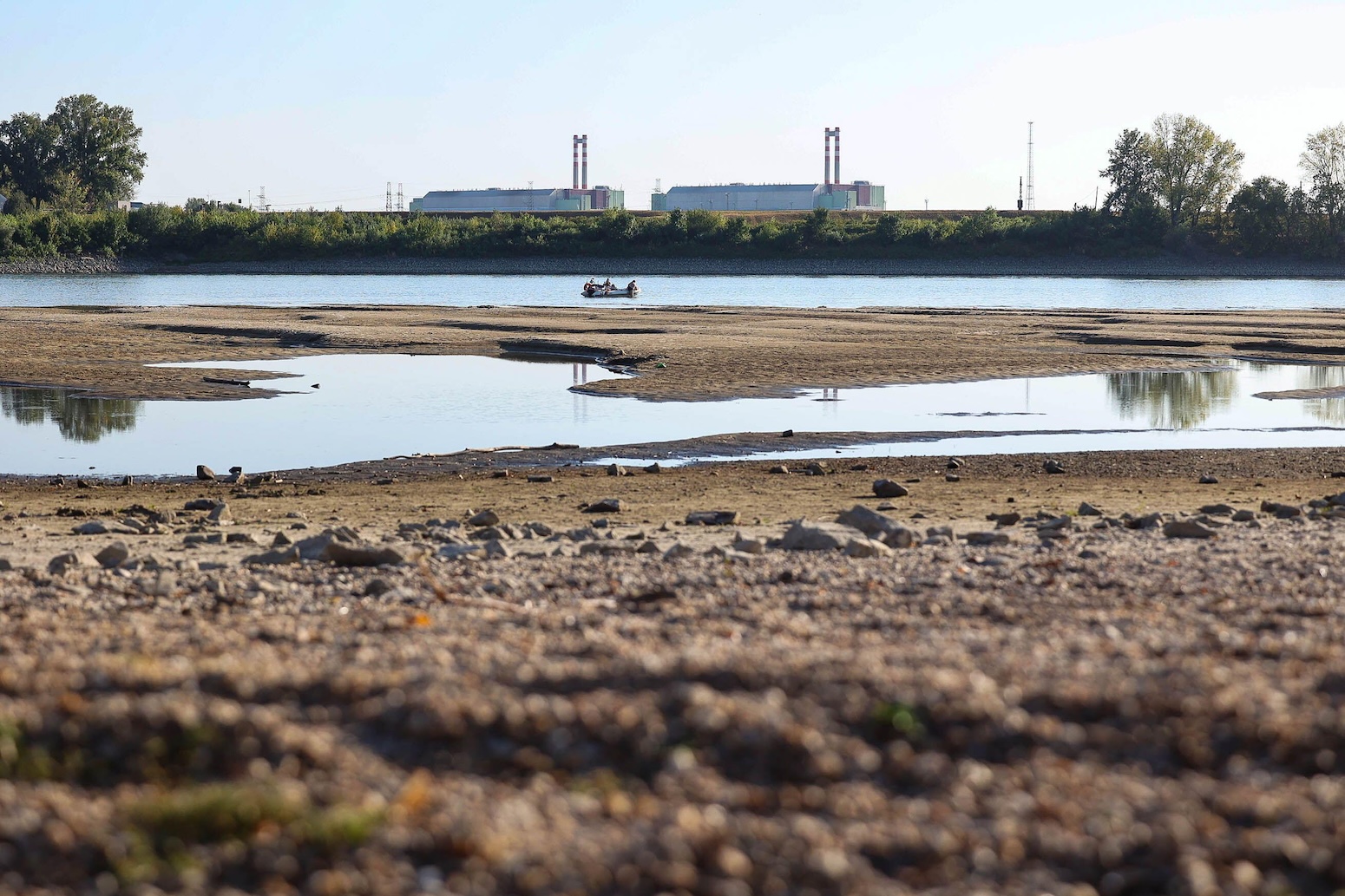
Heatwaves reduce efficiency in nuclear, gas, wind, and solar power generation, increasing energy costs and demand. Learn how each source is impacted.
China unveils its 15th Five-Year Plan for climate action, consolidating existing policies and setting signals for non-CO2 gases, carbon markets, and global governance ahead of 2030 and 2060 goals.
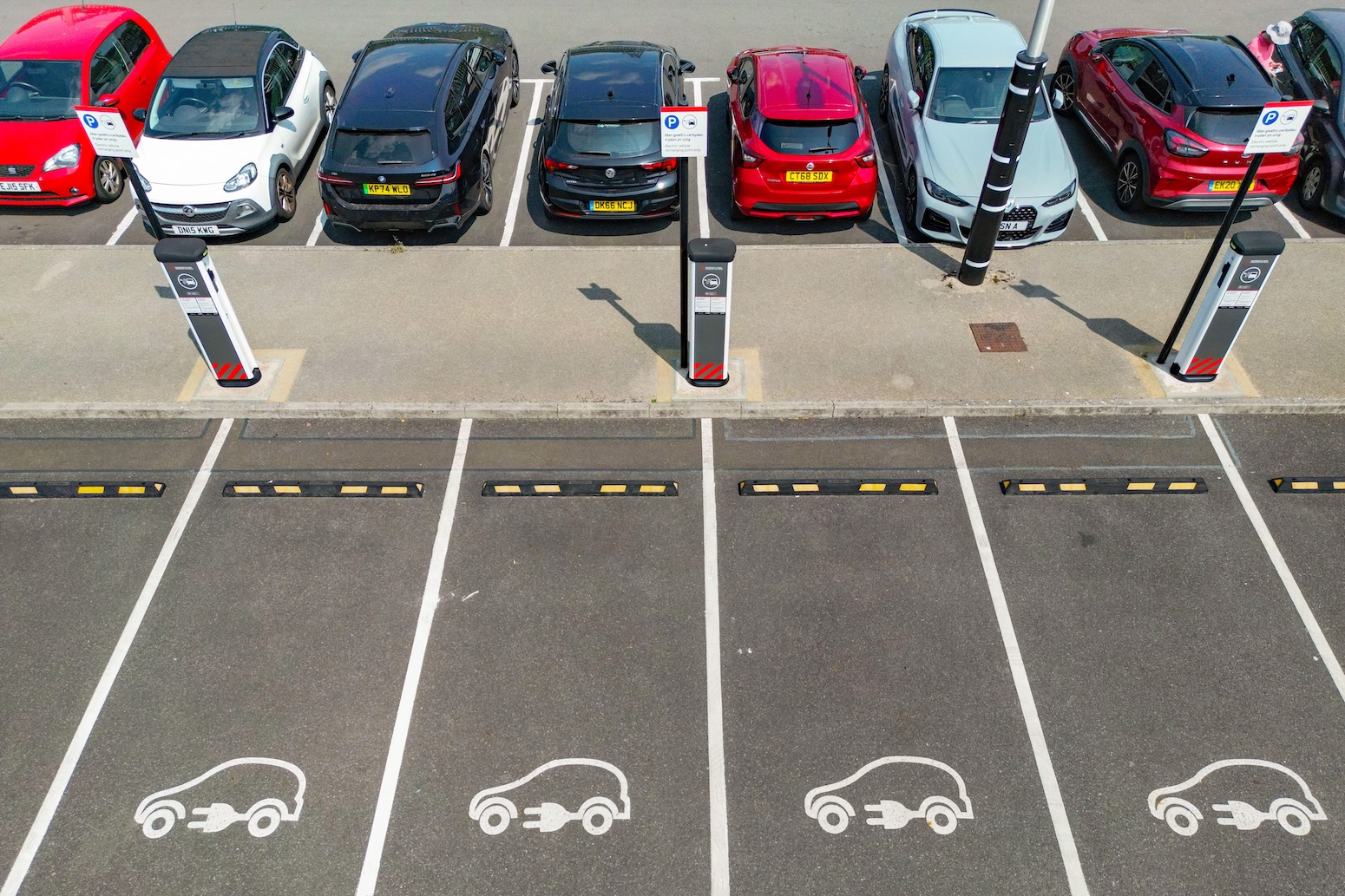
Analysis by Carbon Brief warns that weakening UK EV targets could cost consumers £3bn annually by 2030, increase emissions, and raise oil imports.
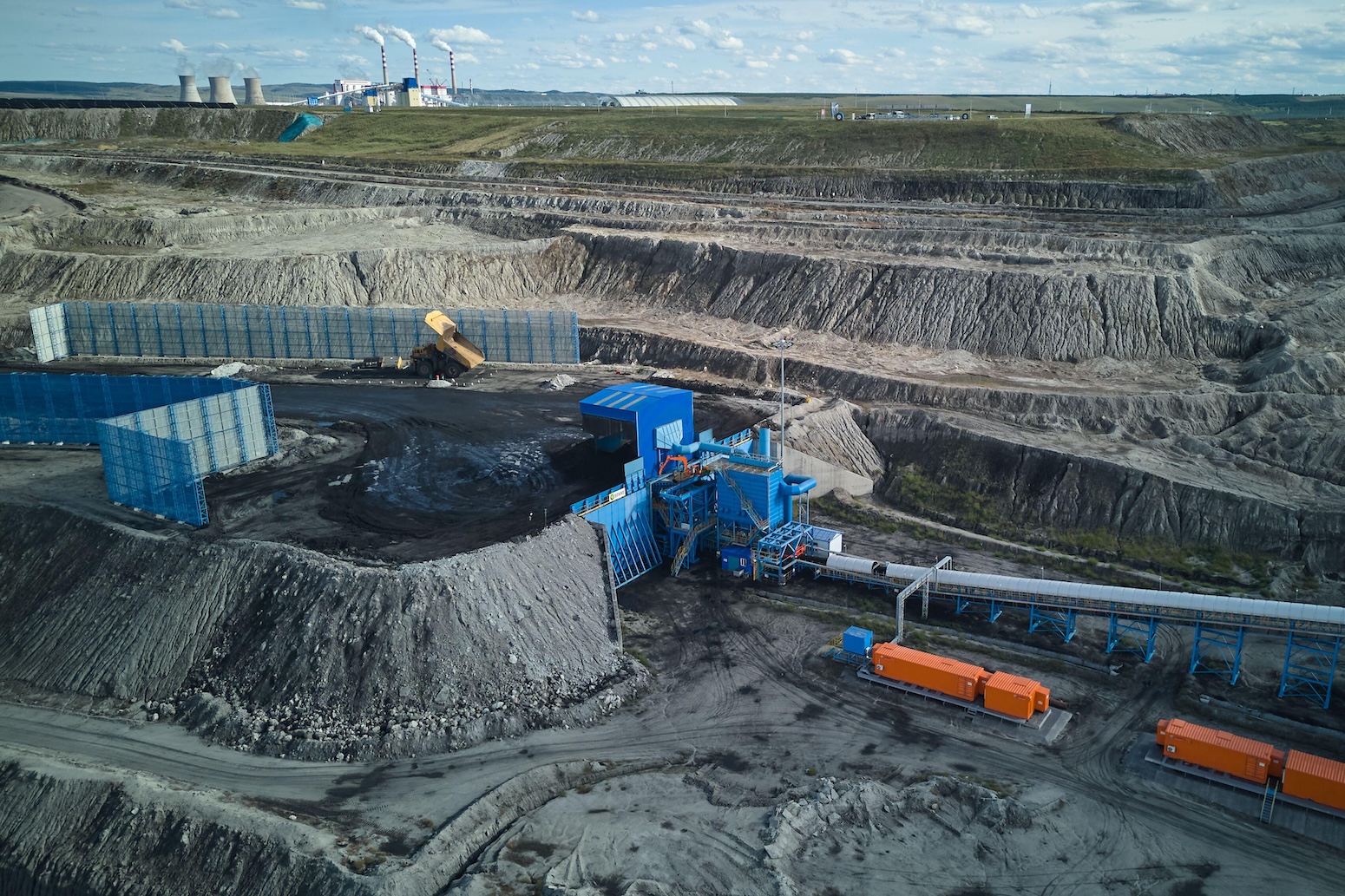
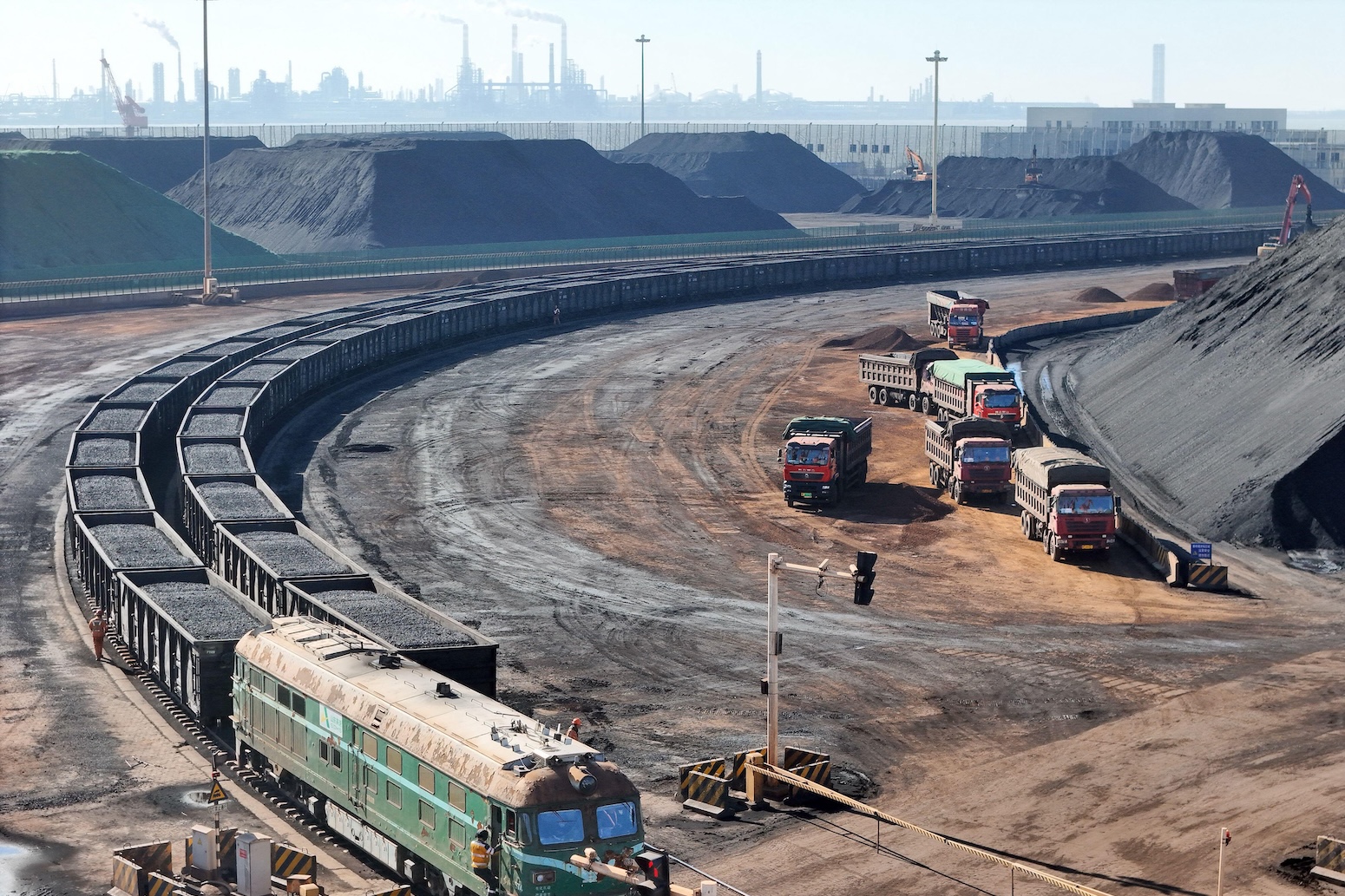
China's 15th Five-Year Plan for coal outlines its role in energy security and climate goals. Analysts weigh in on its implications for peaking emissions and the energy transition by 2030.
Land-use emissions from deforestation, peatland loss and forest degradation have declined by 32% since 2000, per the Global Carbon Budget 2025 report.
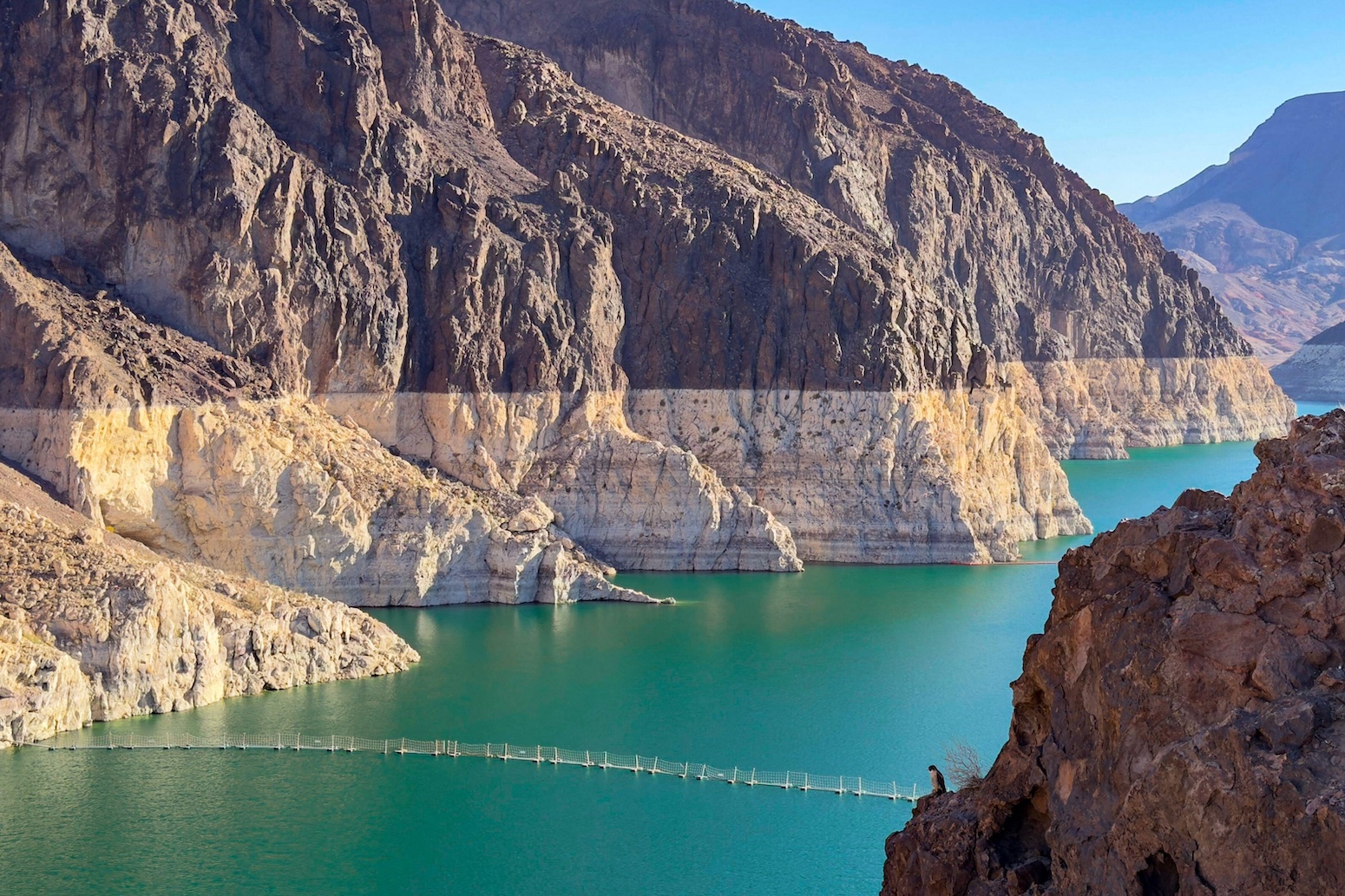
Lake Mead and Lake Powell, the two largest US reservoirs, have reached historic lows due to climate change, population growth, and over-consumption affecting millions.
We use cookies to improve your experience and analyze traffic.
Essential
Required for the site to function. Always active.
Analytics
Helps us understand how readers use the site.
Marketing
Used to personalize ads shown to you.