


































CEPI Fast-Tracks Three Ebola Vaccine Candidates with $62 Million Funding
The Coalition for Epidemic Preparedness Innovations announced $62 million in funding on June 1, 2026, to accelerate three vaccine candidates for the Bundibugyo ebolavirus.
- The Coalition for Epidemic Preparedness Innovations announced $62 million in funding on June 1, 2026, to accelerate three vaccine candidates for the Bundibugyo ebolavirus.
- Category: vaccines
- Published: Jun 2, 2026
CEPI Fast-Tracks Three Ebola Vaccine Candidates with $62 Million Funding
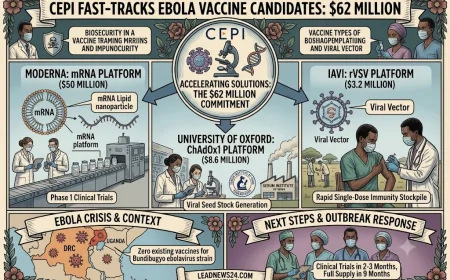
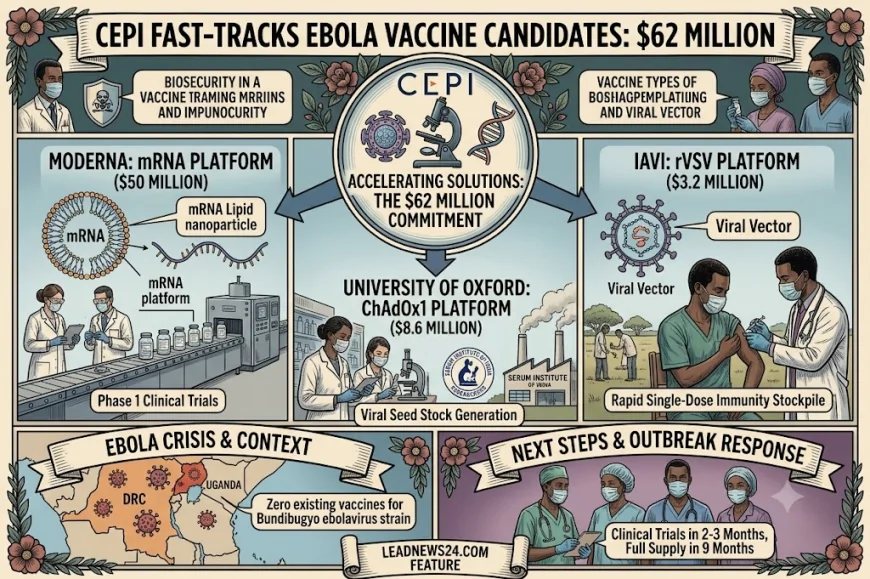
The Coalition for Epidemic Preparedness Innovations announced on June 1, 2026, that it would provide $62 million in funding to fast-track three vaccine candidates targeting the Bundibugyo ebolavirus. The recipients include IAVI, which received $3.2 million; Moderna, which received $50 million; and the University of Oxford, which received $8.6 million. The funding represents the most significant investment in Bundibugyo-specific vaccine research to date and comes as the ongoing outbreak in the Democratic Republic of Congo and Uganda has killed more than 240 people.
The announcement marks a critical turning point in the response to the 17th Ebola outbreak in the DRC. Unlike previous outbreaks caused by the Zaire ebolavirus, the current epidemic is driven by the Bundibugyo strain, for which there is no licensed vaccine or specific treatment. The CEPI funding will accelerate preclinical and early clinical trials, with the goal of having at least one candidate ready for emergency use authorization within 12 to 18 months. The timeline is ambitious but necessary given the escalating case numbers.
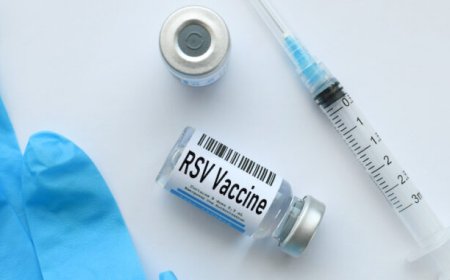
Moderna's $50 million award is the largest of the three grants. The company will use its mRNA platform, which proved highly effective in COVID-19 vaccines, to develop a Bundibugyo-specific candidate. Moderna has already begun preclinical studies and expects to enter Phase 1 human trials by early 2027. The Oxford team, led by Professor Teresa Lambe, will build on its ChAdOx1 viral vector technology, which underpins the AstraZeneca COVID-19 vaccine. IAVI will focus on a novel protein-based approach. The diversity of approaches increases the chances that at least one candidate will prove effective.
Challenges and Ethical Considerations
Developing a vaccine for Bundibugyo presents unique challenges. The virus is less well-studied than the Zaire strain, and researchers have limited data on its immunological characteristics. Animal models for Bundibugyo are also less developed, making it harder to predict human efficacy. According to Dr. Richard Hatchett, CEO of CEPI, "This is uncharted territory. We are building the plane while flying it, but the urgency of the outbreak demands that we move quickly." The funding includes provisions for manufacturing capacity to be reserved even before clinical results are available.
The ethical landscape is complex. In previous Ebola outbreaks, experimental vaccines were deployed under compassionate use protocols before full regulatory approval. This approach saved lives but also raised questions about informed consent in crisis settings. The DRC Ministry of Health has indicated that it would support emergency use of any promising candidate, but community trust remains a significant barrier. On May 23, eighteen suspected Ebola patients escaped a treatment center in Mongbwalu after residents attacked the facility. Such incidents underscore the difficulty of conducting clinical trials in an environment of fear and distrust.
International coordination will be essential. The WHO has established a vaccine prioritization framework that would guide distribution if multiple candidates become available simultaneously. The framework prioritizes healthcare workers, contacts of confirmed cases, and populations in high-transmission areas. However, manufacturing capacity for a new vaccine is likely to be limited initially, raising difficult questions about equitable access. According to Dr. Seth Berkley, former CEO of Gavi, the Vaccine Alliance, "We cannot repeat the mistakes of COVID-19, where wealthy nations hoarded doses. The DRC and Uganda must be first in line."
Background & Context
CEPI was established in 2017 in response to the devastating Ebola outbreak in West Africa that killed more than 11,000 people. The organization coordinates funding and research for vaccines against emerging infectious diseases. According to its 2025 annual report, CEPI has invested $1.2 billion in vaccine development across 30 different pathogens. The organization is funded by governments, philanthropies, and private sector partners, including the European Union, the United Kingdom, Norway, and the Bill & Melinda Gates Foundation.
The Bundibugyo ebolavirus was first identified in 2007 during an outbreak in Uganda that killed 37 people. Since then, only two additional outbreaks have occurred, limiting the opportunity for vaccine research. The current outbreak is by far the largest on record for this strain. According to a 2025 review article in the New England Journal of Medicine, the global pipeline for hemorrhagic fever vaccines remains thin despite the clear and present danger posed by these viruses. The CEPI funding announcement represents a significant step toward addressing that gap.
Frequently Asked Questions
What happened?
CEPI announced $62 million in funding on June 1, 2026, to accelerate three vaccine candidates for the Bundibugyo ebolavirus causing the DRC outbreak.
Why does this matter?
The funding is the largest ever for Bundibugyo vaccine research and could produce an emergency-use vaccine within 12 to 18 months.
Who is affected?
Healthcare workers and communities in DRC and Uganda, vaccine researchers, and global health security institutions all stand to benefit.
What happens next?
Moderna expects to enter Phase 1 trials by early 2027, while Oxford and IAVI advance their candidates through preclinical stages.