


























Iran Suspends US Nuclear Talks After Israel Strikes Lebanon
Iran has suspended nuclear negotiations with the United States after Israeli attacks on Lebanon killed eight civilians, calling the strikes a direct violation of the ceasefire framework.
- Iran has suspended nuclear negotiations with the United States after Israeli attacks on Lebanon killed eight civilians, calling the strikes a direct violation of the ceasefire framework.
- Category: Russia
- Published: Jun 2, 2026
Iran Suspends Nuclear Talks After Israel Strikes Lebanon
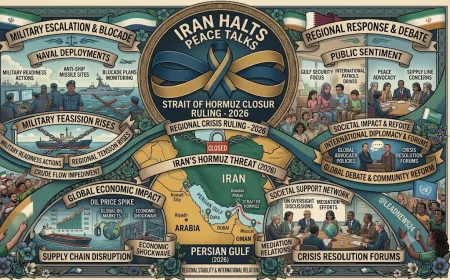
Iran suspended all nuclear negotiations with the United States on June 2, 2026, after Israeli military strikes killed at least eight people in Lebanon. Iranian Foreign Minister Abbas Araghchi announced the decision in Tehran, stating that Israel's continued attacks on Lebanese civilians constituted a direct violation of the ceasefire framework that Washington had brokered. The suspension marks a dramatic reversal in what had been weeks of cautious diplomatic progress between Tehran and the Trump administration.
The Israeli strikes hit southern Lebanon overnight, including a drone attack on a civilian vehicle that killed dentist James Karam and his two children. Another strike damaged Jabal Amel University Hospital in Tyre, killing two more people. Lebanon's Health Ministry reports that Israeli strikes have killed more than 3,400 people since March 2, 2026, with over 10,000 wounded. The violence continued even after President Trump claimed both sides had agreed to stop shooting.
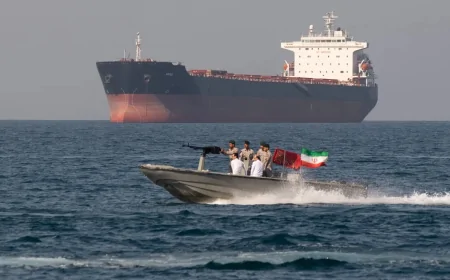
Araghchi did not mince words. He accused the United States of already violating its own ceasefire with Iran by imposing a naval siege on Iranian ports. He added that Israel's attacks on Lebanon represented a separate front of ceasefire violations that made continued dialogue impossible. The Iranian delegation had been scheduled to meet US officials in Oman this week. Those meetings are now cancelled.
Trump's Frantic Phone Call with Netanyahu
Behind the scenes, the situation appears even more volatile. According to Axios, Trump engaged in an expletive-laden phone call with Israeli Prime Minister Benjamin Netanyahu on June 1. Trump reportedly told Netanyahu, "You're f'ing crazy. You'd be in prison if it weren't for me. I'm saving your ass." The call came after Netanyahu and Defense Minister Israel Katz ordered massive airstrikes on Beirut's southern suburbs. Trump later posted on social media that he had a "productive" call with Netanyahu and that "there will be no Troops going to Beirut."
The contradiction between Trump's public statements and Israel's continued bombing has left diplomats scrambling. The United Nations Security Council held an emergency meeting on June 1 to address the crisis. U.N. Assistant Secretary-General Martha Pobee stated that Israel's presence north of the Blue Line violates Security Council Resolution 1701. Israeli forces must withdraw to south of the Blue Line, she demanded.
The suspension of talks throws the entire Middle East diplomatic landscape into uncertainty. Iran had been negotiating limits on its uranium enrichment program in exchange for relief from US sanctions. Those sanctions have crippled Iran's economy, cutting oil exports by more than half. Now, with talks frozen, the prospect of a broader regional war looms larger than at any point in the past year.
Background & Context
The Iran-US nuclear talks resumed in early 2026 after a five-year hiatus. The previous agreement, the Joint Comprehensive Plan of Action (JCPOA), collapsed in 2018 when the Trump administration withdrew unilaterally. Since then, Iran has enriched uranium to 60% purity, just short of weapons-grade. According to the International Atomic Energy Agency, Iran now possesses enough enriched material for approximately twelve nuclear weapons if it chooses to further refine its stockpile.
The ceasefire between Israel and Iran, brokered by the United States in May 2026, was already fragile. Israel had agreed to halt strikes on Iranian nuclear facilities, while Iran pledged to stop arming Hezbollah and other proxy groups. According to a 2025 report from the International Crisis Group, both sides had violated the agreement within weeks of signing. The current escalation in Lebanon represents the most serious breach to date.
Frequently Asked Questions
What happened?
Iran suspended nuclear talks with the US on June 2, 2026, after Israeli strikes killed eight people in Lebanon, calling it a ceasefire violation.
Why does this matter?
The suspension halts the only diplomatic channel preventing a broader Middle East war and risks Iran accelerating its nuclear program without oversight.
Who is affected?
Lebanese civilians, Iranian and American diplomats, regional oil markets, and global security institutions all face immediate consequences.
What happens next?
US mediators will likely attempt to restart talks within days, but Iran may demand Israeli withdrawal from Lebanon as a precondition for returning to the table.