



































Iran Halts Peace Talks Threatening to Fully Close Strait of Hormuz
Iran suspended peace talks with the US on June 2 and threatened a full Hormuz and Mandeb blockade unless Israel ends Lebanon operations.
- Iran suspended peace talks with the US on June 2 and threatened a full Hormuz and Mandeb blockade unless Israel ends Lebanon operations.
- Category: Middle east
- Published: Jun 2, 2026
Iran Freezes US Talks and Threatens Total Hormuz Blockade
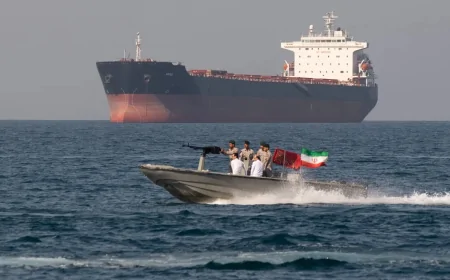
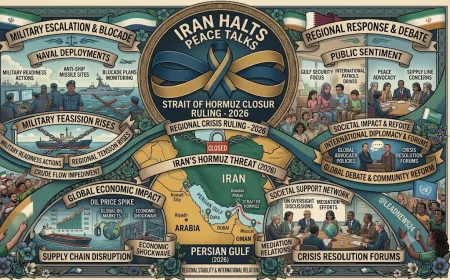
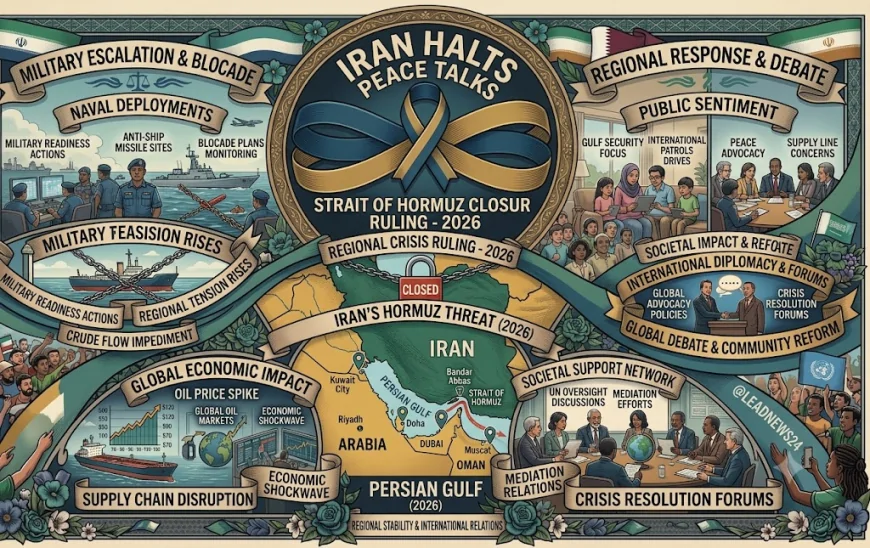
Iran announced on June 2 that it is suspending peace negotiations with the United States and, alongside its Axis of Resistance partners, is threatening to completely block both the Strait of Hormuz and the Strait of Mandeb. The announcement came directly from Iranian parliamentary speaker and chief negotiator Mohammad Bagher Ghalibaf, who stated that the US naval blockade of Iranian ports and ongoing Israeli military operations in Lebanon constitute violations of the existing ceasefire framework and make further talks impossible under current conditions.
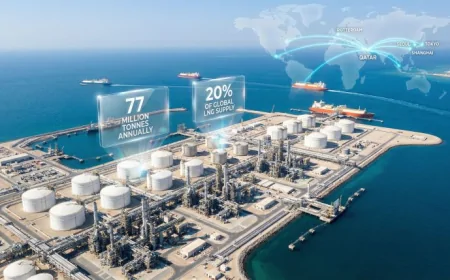
The announcement sent shockwaves through oil markets and diplomatic channels simultaneously. Brent crude surged over 4% in after-hours trading on the news. The Strait of Hormuz carries approximately 20% of the world's seaborne oil trade and 20% of global liquefied natural gas. The Strait of Mandeb, at the southern end of the Red Sea, controls access to the Suez Canal route. A simultaneous closure of both chokepoints would represent the most severe disruption to global energy and trade flows since the 2026 conflict began in February.
Iran's Foreign Minister Abbas Araghchi separately contacted Pakistani Foreign Minister Mohammad Ishaq Dar to request help facilitating de-escalation, signalling that while Iran is escalating its public posture, it is simultaneously seeking diplomatic back-channels to avoid full military confrontation with the US Navy.
The Ceasefire Framework Under Strain
The current conditional ceasefire between Iran, the United States, and Israel has been extended multiple times since its initial agreement. Iranian officials now argue that Israel's continued ground operations in Lebanon — including the seizure of the Beaufort Castle ridge and advances north of the Litani River — represent a fundamental breach of what Tehran understood as the ceasefire's terms. US officials have rejected that interpretation, arguing that the ceasefire applied to direct Iran-US military engagement and not to Israeli operations in Lebanon.
According to Vali Nasr, professor of international affairs at Johns Hopkins University's School of Advanced International Studies, "Iran is in a difficult position. Domestically, it cannot appear to accept Israeli military expansion in Lebanon while negotiating with Washington. Internationally, it cannot afford another full cycle of Hormuz closure without triggering the kind of US military response that would genuinely threaten the regime's survival. This announcement is a pressure move, not a strategic decision to restart the war." Iran and the US have been conducting indirect negotiations through Pakistani and Omani intermediaries since February 2026, following the assassination of Supreme Leader Ali Khamenei in the initial US-Israeli strikes.
The Trump administration has not yet issued a formal response to the announcement. Senior Pentagon officials were convening an emergency meeting on June 2 evening, according to two sources cited by Reuters. President Trump previously threatened "extensive attacks on Iranian infrastructure" if shipping through Hormuz did not resume under the ceasefire framework.
Market and Shipping Industry Reaction
The shipping industry responded immediately. Lloyd's Market Association risk committees placed the Persian Gulf and Red Sea approaches on enhanced war-risk status within hours of the announcement. Several major tanker operators have instructed vessels currently in the Gulf of Oman to hold position pending clarification of the security situation. The cost of war-risk insurance for vessels transiting the region tripled in overnight trading.
Goldman Sachs issued an emergency note to clients estimating that a complete dual-chokepoint closure could push Brent crude to $140-$160 per barrel within 30 days if sustained, erasing months of gradual price normalisation that had supported equity markets and reduced inflationary pressure across the G7. The note warned that the market had underpriced the risk of a ceasefire breakdown following the optimism generated by recent diplomatic signals.
European governments, which have been hosting conferences on Hormuz reopening, scrambled to issue statements calling for restraint. The UK Foreign Office summoned the Iranian ambassador in London for an urgent meeting. France's Foreign Ministry called the announcement "deeply concerning" and urged Iran to return to the negotiating table.
Background and Context
The 2026 Iran war began on February 28 when the United States and Israel launched coordinated strikes on Iranian military and government targets, including the assassination of Supreme Leader Ali Khamenei. Iran responded by closing the Strait of Hormuz to unfriendly shipping and launching retaliatory strikes across the region. The US subsequently initiated a naval counter-blockade of Iranian ports on April 13, creating what analysts described as a dual-blockade situation that cost both sides economically while failing to resolve the underlying conflict.
According to the UK House of Commons Library briefing published June 1, almost no commercial shipping has transited the Strait of Hormuz since the conflict began, and Red Sea shipping volumes remain 60% below their 2023 levels. The economic cost to the global economy has been estimated by the IMF at $2.3 trillion in lost output through 2025. Pakistan-mediated talks in Islamabad failed in April, triggering the US naval blockade. Omani and Pakistani intermediaries have remained active since then, but no breakthrough has emerged.
Whether Iran's announcement represents a genuine suspension of talks or a tactical escalation designed to extract concessions before re-engaging will become clear within days. The response from Washington — and from Beijing, which has consistently called for freedom of navigation in Hormuz — will determine whether this moment tips back toward diplomacy or forward toward renewed military confrontation.
Frequently Asked Questions
What happened?
Iran suspended peace talks with the United States on June 2 and threatened to completely close both the Strait of Hormuz and Strait of Mandeb, citing Israeli military operations in Lebanon and the US naval blockade of Iranian ports as ceasefire violations.
Why does this matter?
The Strait of Hormuz carries 20% of world oil and gas. A full dual-chokepoint closure could push oil to $140-$160 per barrel, reignite global inflation, and undo months of diplomatic progress that equity markets had been pricing positively.
Who is affected?
Global oil importers, shipping companies, tanker operators, G7 central banks managing inflation, and the hundreds of millions of households whose energy and food costs track oil prices are all directly affected by this escalation.
What happens next?
Washington's response in the next 24-48 hours is the critical variable. A measured diplomatic reply keeps the door open. A military threat risks full escalation. Pakistan and Oman are both working backchannels to prevent the announcement from becoming a point of no return.