

























Federal Reserve Holds Rates Steady Warns Tariff Inflation Could Force Hikes by Summer
The Federal Reserve held interest rates steady at 4.5 percent on February 26 2026 but issued an unusually direct warning that tariff-driven inflation could force rate increases as early as June if consumer price pressures accelerate faster than anticipated.
- The Federal Reserve held interest rates steady at 4.5 percent on February 26 2026 but issued an unusually direct warning that tariff-driven inflation could force rate increases as early as June if consumer price pressures accelerate faster than anticipated.
- Category: How-To & Tips
- Published: Feb 25, 2026
Fed Holds Rates but Issues Stark Tariff Inflation Warning to Markets
The Federal Reserve held its benchmark interest rate at 4.25 to 4.5 percent on Wednesday, February 26, but the decision itself was almost secondary to the language that accompanied it. In his post-meeting press conference, Federal Reserve Chair Jerome Powell delivered one of the most direct warnings about tariff-driven inflation the central bank has issued in years — and markets heard it clearly.
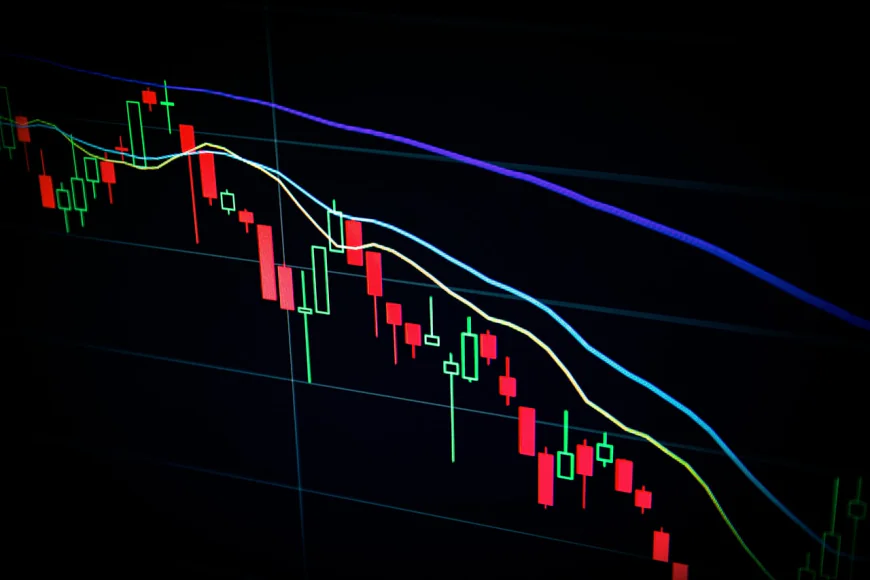
The S&P 500 dropped 1.2 percent in the hour following Powell's remarks. The yield on 10-year Treasury bonds rose sharply. Traders in federal funds futures markets rapidly repriced the probability of a summer rate hike from 18 percent to 42 percent within 45 minutes of the press conference beginning.
What Powell Said and Why It Spooked Markets
Powell was careful with his words, as he always is, but the message was unmistakable. He said the committee is watching the inflationary impact of recently enacted tariff measures with close attention. He noted that if consumer price pressures materialize at a pace inconsistent with the 2 percent target, the committee will not hesitate to act.
The January CPI reading, released earlier this month, showed headline inflation at 3.1 percent and core inflation at 3.4 percent — both above the Fed target and both already reflecting early tariff effects on import prices. The new 15 percent global tariff signed into law Monday had not yet been incorporated into any official inflation model, but several Fed regional presidents have already flagged it as a significant upside risk to their forecasts.
According to Dr. Ellen Zentner, chief U.S. economist at Morgan Stanley, the Fed is threading a very narrow needle. They cannot cut rates while inflation is running hot, but they also know that hiking into a potential tariff-driven economic slowdown is its own kind of risk. Powell is trying to warn markets without triggering panic, and that is a very difficult balance to maintain.
What the Rate Decision Means for Consumers and Businesses
Mortgage rates, which have remained stubbornly above 7 percent for much of the past year, showed no sign of relief following Wednesday's decision. The average 30-year fixed mortgage ticked up to 7.18 percent by market close. Credit card APRs, already at record highs nationally, remain elevated.
For businesses carrying variable-rate debt — particularly small and mid-sized companies — the news that rate cuts are off the table and hikes are possible is a serious financial planning headache. The National Federation of Independent Business released a statement Wednesday afternoon expressing deep concern about the combined effect of tariff-driven cost increases and sustained high borrowing costs on small business survival rates.
Whether the Fed actually moves in June will depend entirely on the data that comes in between now and the June 18 meeting. Three months of inflation readings, one jobs report, and the first real-world consumer price data reflecting the new tariffs will all be on the table. The Fed's next decision may be its most consequential in years.