


















































Samsung Confirms AR Glasses Launch in 2026, Developed With Google
Samsung has confirmed it will launch augmented reality glasses in 2026, developed in partnership with Google, marking a major entry into the competitive XR market.
- Samsung has confirmed it will launch augmented reality glasses in 2026, developed in partnership with Google, marking a major entry into the competitive XR market.
- Category: Technology
- Published: Feb 26, 2026
Tech Giants Join Forces to Take on Apple and Meta in Race for Wearable Computing
Samsung officially confirmed today that it will launch a pair of augmented reality glasses in 2026, marking the company's most significant foray into the extended reality (XR) market since its earlier Galaxy XR headset. The announcement came during the company's quarterly earnings call, where Seong Cho, head of marketing for Samsung's mobile division, briefly mentioned plans for \"XR form factors including next-generation AR glasses.\" The device is being developed in close collaboration with Google, building on a partnership announced years ago to create a new XR platform.
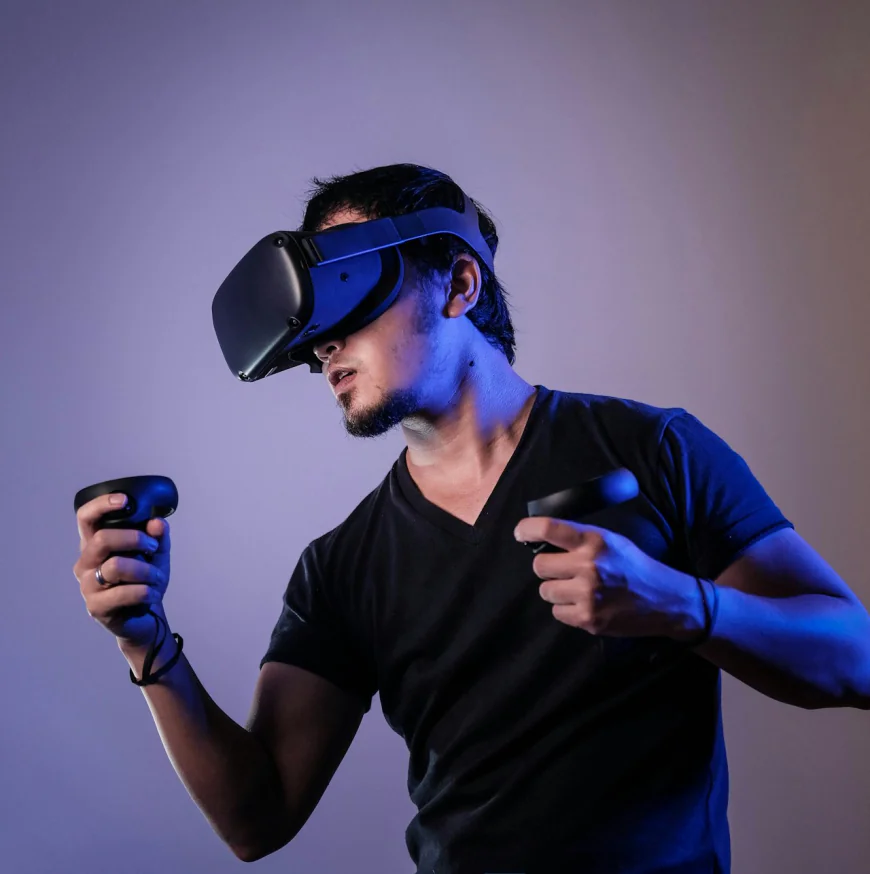
The confirmation ends years of speculation about Samsung's AR ambitions. The company had been relatively quiet on the XR front since the launch of the Galaxy XR, a virtual reality headset that failed to gain significant traction. The new AR glasses represent a different approach, aiming to overlay digital information onto the real world in a lightweight, wearable form factor, rather than immersing the user in a fully virtual environment. This positions them as a direct competitor to products like the Meta Ray-Ban smart glasses and, eventually, Apple's rumored AR glasses.
The partnership with Google is crucial. While Samsung provides the hardware expertise—displays, batteries, and industrial design—Google is expected to provide the operating system and software ecosystem. This will likely be a version of Android specifically tailored for AR, potentially giving the device access to the millions of apps already in the Google Play Store, a massive advantage over platforms starting from scratch.
What to Expect From Samsung's AR Glasses
Details about the product's specifications remain scarce, but the strategic direction is becoming clearer. Unlike bulky VR headsets, AR glasses need to be lightweight and socially acceptable to wear in public. Samsung is known for its display technology, and the glasses will almost certainly feature high-brightness, low-power micro-OLED or similar displays capable of projecting clear images even in daylight. The goal is to create a device that can deliver notifications, navigation cues, and contextual information without making the wearer look like they have a computer strapped to their face.
The integration with Google's ecosystem is the key differentiator. Imagine walking down the street and having Gemini, Google's AI assistant, whisper historical facts about buildings in your ear, or having Maps directions overlaid onto the road ahead. The glasses could also integrate with Google Photos, allowing you to see your photos and videos in a virtual space. The success of the product will hinge on the quality and usefulness of this software integration, more than the hardware itself.
According to Avi Greengart, lead analyst at Techsponential, \"Samsung and Google have the potential to be a powerful force in AR. Samsung knows how to build and market consumer hardware at scale, and Google has the software and AI. The question is whether they can create a compelling reason for consumers to wear glasses all day. It's not about replacing your phone yet; it's about augmenting it. If they can nail a few killer use cases, this could be the product that finally makes AR mainstream.\"
The Competitive Landscape: A Three-Way Race
The launch of Samsung's AR glasses will intensify an already heated battle for the future of computing. Meta has been aggressively pushing its Ray-Ban smart glasses, adding AI capabilities and improving camera quality. Apple is widely expected to follow up its high-end Vision Pro headset with a more affordable, mainstream AR-focused device in the coming years. Google itself has a history with AR through its ill-fated Google Glass, a product that was ahead of its time and suffered from privacy concerns and a high price tag.
Samsung and Google's combined effort represents perhaps the most credible challenge to Apple's eventual dominance in this space. They have the advantage of an established, open ecosystem and a massive existing user base. However, they also face the challenge of creating a device that is both technologically advanced and socially acceptable. The privacy concerns that plagued Google Glass—namely, the fear of being recorded without consent—will need to be addressed with clear indicators and user controls.
As 2026 approaches, the tech world will be watching closely. Will Samsung and Google deliver a pair of glasses that people actually want to wear? Can they create a platform that developers embrace? The race to define the next major computing paradigm after the smartphone is well and truly on. And for the first time in a while, Apple may not be leading the pack.