










































US FDA Overhauls Biosimilar Approval Process to Slash Drug Costs
The FDA announced a major overhaul of its biosimilar approval process, aiming to speed up the market entry of lower-cost alternatives to expensive biologic drugs.
- The FDA announced a major overhaul of its biosimilar approval process, aiming to speed up the market entry of lower-cost alternatives to expensive biologic drugs.
- Category: Health
- Published: Feb 26, 2026
Regulatory Changes Aim to Boost Competition and Lower Prices for Complex Medicines
The U.S. Food and Drug Administration announced a sweeping overhaul of its biosimilar approval process today, implementing changes designed to dramatically accelerate the pathway for lower-cost versions of complex biologic drugs to reach the market. The new guidance, detailed in a Federal Register notice, aims to reduce the regulatory burden on manufacturers while maintaining safety and efficacy standards, potentially saving the U.S. healthcare system billions of dollars annually.
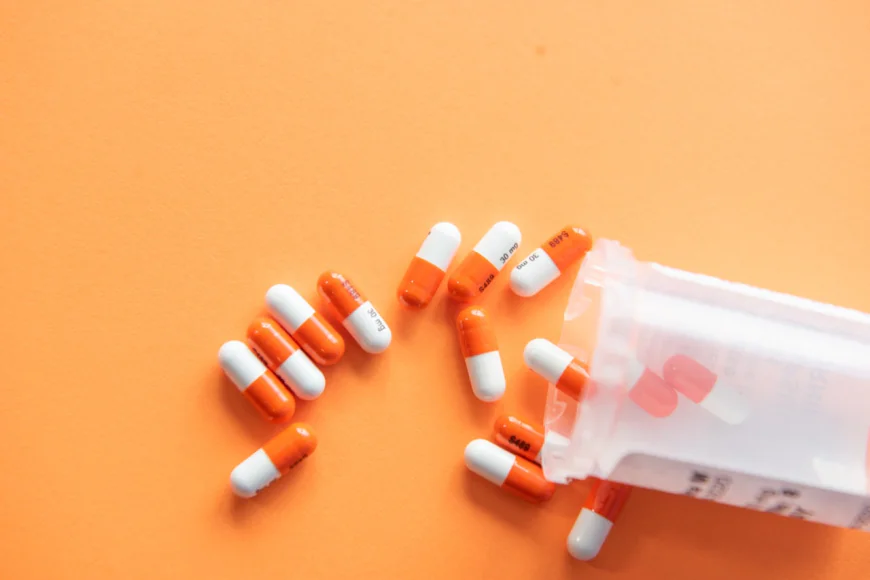
Biologics, which are complex medicines derived from living organisms, represent some of the most expensive treatments for chronic conditions like arthritis, cancer, and diabetes. Unlike simple chemical drugs, they cannot be perfectly copied, only approximated. These approximations are called biosimilars. Until now, the approval process for biosimilars has been costly and time-consuming, deterring competition and keeping prices high even after brand-name patents expire.
The FDA's new framework streamlines the requirements for clinical trials, allowing manufacturers to rely more heavily on analytical data showing the biosimilar is highly similar to the reference product. It also clarifies the interchangeability designation, making it easier for pharmacists to substitute a biosimilar for the original brand-name drug without a new prescription from a doctor, a key hurdle to widespread adoption.
How the New Rules Will Work and Who Benefits
Under the previous system, biosimilar developers often had to conduct large-scale, expensive clinical trials in patients to prove their product worked as well as the original. The new guidance recognizes that if advanced analytical technologies can demonstrate near-identity in structure and function, those massive trials may be unnecessary. This \"totality of the evidence\" approach aligns the U.S. more closely with the European regulatory system, which has approved biosimilars more rapidly.
The change is expected to lower the barrier to entry for new competitors. Currently, developing a biosimilar can cost over $100 million and take five to eight years. By reducing the time and cost, the FDA hopes to attract more manufacturers into the market. More competitors typically leads to lower prices. For patients, particularly those on Medicare, which spends tens of billions on biologics annually, this could translate into lower out-of-pocket costs and premiums.
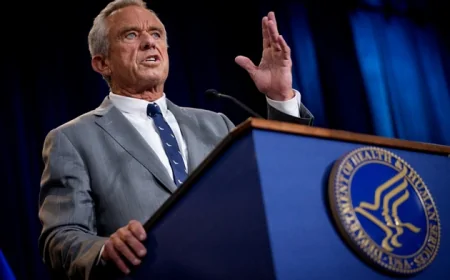
According to Dr. Robert Califf, FDA Commissioner, \"Competition is the best way to drive down drug prices. These reforms are about removing unnecessary obstacles to that competition. We are committed to ensuring that Americans have access to safe, effective, and affordable biologic medicines. This guidance represents a significant step toward that goal.\" The move has been praised by patient advocacy groups and insurers, who have long argued that the biosimilar market has underperformed its potential.
Industry Reaction: Cheers From Generics, Caution From Brand-Name Makers
Reaction from the pharmaceutical industry has been predictably divided. The Biosimilars Council, an industry trade group representing developers of these drugs, hailed the FDA's action as \"historic\" and \"long overdue.\" They argue it will unleash a wave of innovation and investment in the sector, finally delivering on the promise of lower-cost biologics that was envisioned when the biosimilar pathway was created over a decade ago.
However, brand-name biologic manufacturers, represented by groups like PhRMA, have expressed caution. They argue that weakening the approval standards could lead to products entering the market that are not truly interchangeable, potentially putting patients at risk. They stress that biologics are complex and that even small differences could have significant clinical consequences. The FDA has countered that its standards remain rigorous and that safety will not be compromised.
The real test will be in the market. Will the new rules actually lead to a flood of new biosimilar applications? Will insurers and pharmacy benefit managers aggressively steer patients toward these cheaper alternatives? And perhaps most importantly, will the savings be passed on to patients, or will they be captured by the middlemen in the complex drug pricing supply chain? The FDA has opened the door; now it's up to the market to walk through it.