























Top US Medical Journal Condemns RFK Jr. Over HHS Destruction in Scathing Review
The New England Journal of Medicine's editorial board issued a scathing condemnation of RFK Jr., warning his health department policies could take generations to repair.
- The New England Journal of Medicine's editorial board issued a scathing condemnation of RFK Jr., warning his health department policies could take generations to repair.
- Category: Health
- Published: Mar 1, 2026
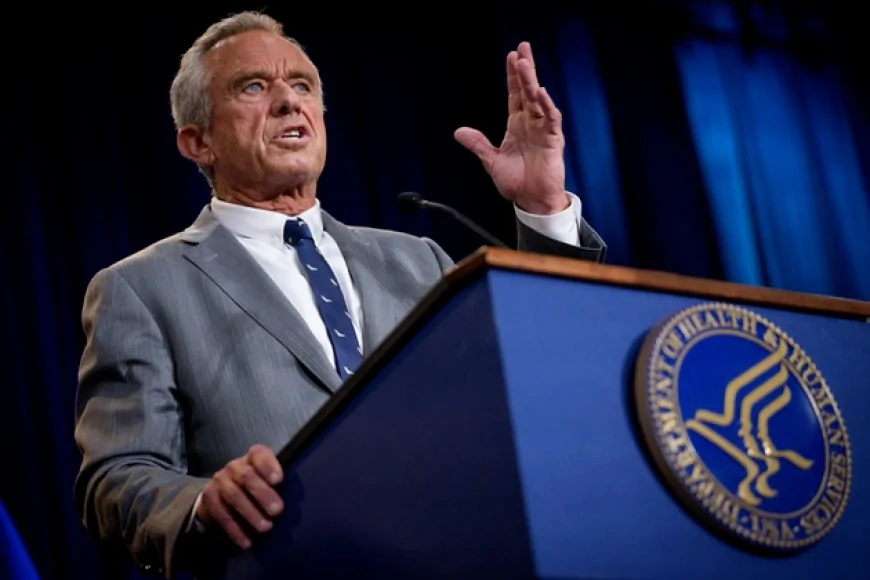
America's Top Medical Journal Warns RFK Jr. Has Caused Generational Damage to US Health
America's most influential medical journal has had enough. The editorial board of the New England Journal of Medicine published a scathing editorial Friday condemning Secretary Robert F. Kennedy Jr.'s stewardship of the Department of Health and Human Services, warning that "the destruction that Kennedy has wrought in one year in office might take generations to repair."
The NEJM editorial, written by the journal's entire senior editorial board, represents an extraordinarily rare institutional condemnation from a publication that typically avoids direct political commentary. The editorial cited specific policy decisions including cuts to the Centers for Disease Control and Prevention research budget, the dismissal of dozens of senior epidemiologists and vaccine researchers, and Kennedy's sustained public campaign against childhood vaccination schedules as key sources of long-term damage.
Kennedy's office did not respond to a request for comment from Reuters by Sunday morning. The HHS communications team issued a one-sentence response stating that Secretary Kennedy "is committed to making America healthy again and will not be deterred by political attacks from legacy institutions."
Specific Policy Failures Draw Medical Community Condemnation
The NEJM editorial identified several concrete policy failures it attributed directly to Kennedy's HHS leadership. Measles cases in the United States reached their highest level in 27 years in 2025, according to CDC data cited in the editorial, following a sustained decline in childhood vaccination rates that the editorial links directly to Kennedy's public skepticism of vaccine safety.
The editorial also condemned HHS's decision to cut funding for pandemic preparedness infrastructure, including the dismantling of the CDC's Center for Forecasting and Outbreak Analytics, created specifically after COVID-19 to build the United States' early warning capacity for future pandemics. "We are less prepared today for the next pandemic than we were on January 19, 2025," the editorial stated flatly.
According to Dr. Paul Offit, Director of the Vaccine Education Center at Children's Hospital of Philadelphia, "This editorial is extraordinary. The NEJM does not wade into partisan politics. When it does, it means the scientific and medical community has concluded that the damage being done crosses a threshold that professional silence would make it complicit in."
Congressional Hearings and Legal Challenges Pending
The NEJM editorial arrived as multiple legal challenges to Kennedy's HHS policy decisions work their way through federal courts. A coalition of public health organizations filed suit in January 2026 challenging the constitutionality of several budget cuts made without congressional authorization. A separate lawsuit challenged the dismissal of senior CDC scientists on grounds that the terminations violated civil service protection laws.
Senate HELP Committee Democrats have requested a formal hearing on HHS performance metrics, citing declining vaccination rates, rising measles incidence, and what they describe as the "systematic dismantling of the nation's public health infrastructure." Senate Republicans who control the committee have not yet agreed to schedule the hearing.
Whether the NEJM editorial shifts the political momentum around Kennedy's tenure at HHS — or whether it simply marks another data point in an increasingly alarmed medical community's largely unheeded warnings — may depend on whether the measles outbreak trajectory and other public health indicators worsen sufficiently to produce visible, attributable consequences that break through the current political environment.