




















Ghana Parliament Passes Sweeping Law Criminalizing LGBTQ+ Identity
Ghana's parliament approved a sweeping law on June 2, 2026, criminalizing LGBTQ+ identity with prison terms up to 10 years, drawing condemnation from human rights groups worldwide.
- Ghana's parliament approved a sweeping law on June 2, 2026, criminalizing LGBTQ+ identity with prison terms up to 10 years, drawing condemnation from human rights groups worldwide.
- Category: World News
- Published: Jun 2, 2026
Ghana Parliament Passes Sweeping Law Criminalizing LGBTQ+ Identity
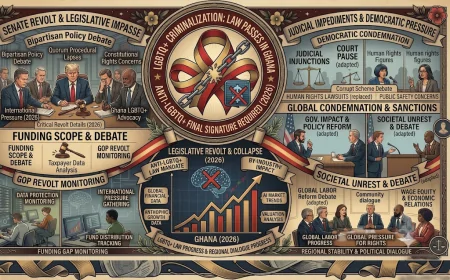
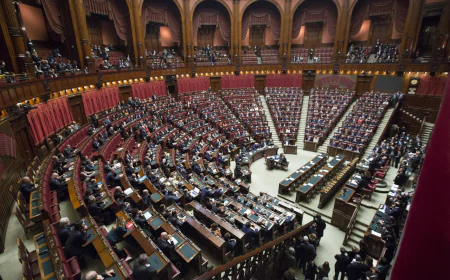
Ghana's parliament approved a sweeping law on June 2, 2026, that criminalizes identifying as LGBTQ+ and imposes prison sentences of up to 10 years on anyone who "promotes" LGBTQ+ activities. The legislation, passed by a wide margin, makes it a crime to identify as nonbinary, lesbian, gay, bisexual, queer, trans, or intersex. President John Mahama is expected to sign the bill into law within days. Human rights organizations have condemned the measure as one of the most draconian anti-LGBTQ+ laws in Africa.
The bill goes further than simply banning same-sex conduct. It criminalizes the very identity of LGBTQ+ individuals, making it illegal to express gender or sexual orientation that deviates from heterosexual norms. The law also targets allies, journalists, and civil society organizations that advocate for LGBTQ+ rights. Anyone found guilty of "promoting" LGBTQ+ activities faces a mandatory prison term. The legislation has been described by Amnesty International as a "full-scale assault on human dignity."
Ghana joins a growing list of African nations enacting harsh anti-LGBTQ+ laws. In 2023, Uganda passed legislation known as the "kill the gays bill," which includes the death penalty for certain offenses. Senegal and Burkina Faso have recently passed similar measures. The trend has alarmed human rights defenders across the continent. Ugandan LGBTQ activist Hans Senfuma warned, "At first, it was Uganda with the harshest bill. Apparently, we are seeing Ghana jumping onto this same running track. And all African leaders are quiet in whatever is happening."
International Condemnation and Economic Fallout
The international community has reacted with swift condemnation. The United States State Department issued a statement expressing "deep concern" over the bill's passage. The European Union warned that the law could affect Ghana's trade relationships and development aid. Several multinational corporations with operations in Ghana, including Google and Microsoft, have privately expressed alarm about the impact on their ability to retain LGBTQ+ employees in the country.
Economic consequences may follow. Ghana is currently negotiating a bailout with the International Monetary Fund, and the LGBTQ+ law could complicate those talks. Western donors have increasingly tied development assistance to human rights conditions. According to Dr. Josephine Appiah, a political scientist at the University of Ghana, "This law risks isolating Ghana at a time when we need international partners most. The economic cost could be severe." The IMF has not publicly commented on whether the law will affect its lending decisions.
Within Ghana, the bill has sparked fierce debate. Religious leaders and traditional authorities have strongly supported the legislation, framing it as a defense of African values against Western cultural imperialism. LGBTQ+ activists, who have already faced harassment and violence, now fear a systematic crackdown. Several activists have gone into hiding since the bill's passage. Local media outlets have reported a surge in hate speech and threats against LGBTQ+ individuals on social media platforms.
Background & Context
Ghana has historically been relatively tolerant compared to some neighboring West African countries, though homosexuality was already illegal under colonial-era laws. The new legislation represents a dramatic escalation. According to a 2024 report from Human Rights Watch, Ghanaian LGBTQ+ individuals faced widespread discrimination in employment, housing, and healthcare even before this law. The new measure formalizes and intensifies that persecution.
The bill's passage reflects a broader political shift in Ghana. President Mahama, who returned to office in January 2026, campaigned on a platform of traditional values and national sovereignty. The LGBTQ+ issue has become a rallying point for his supporters. According to a 2025 survey by the Pew Research Center, 93% of Ghanaians believe homosexuality should not be accepted by society. This social consensus has made it politically difficult for moderate voices to oppose the legislation without risking electoral consequences.
Frequently Asked Questions
What happened?
Ghana's parliament passed a law on June 2, 2026, criminalizing LGBTQ+ identity and imposing up to 10 years in prison for promoting LGBTQ+ activities.
Why does this matter?
The law is one of Africa's harshest anti-LGBTQ+ measures and could trigger economic sanctions, isolate Ghana diplomatically, and endanger thousands of citizens.
Who is affected?
LGBTQ+ Ghanaians, human rights activists, foreign investors, and Ghana's international development partners all face significant consequences.
What happens next?
President Mahama will likely sign the bill within days, after which legal challenges and international pressure campaigns will intensify.